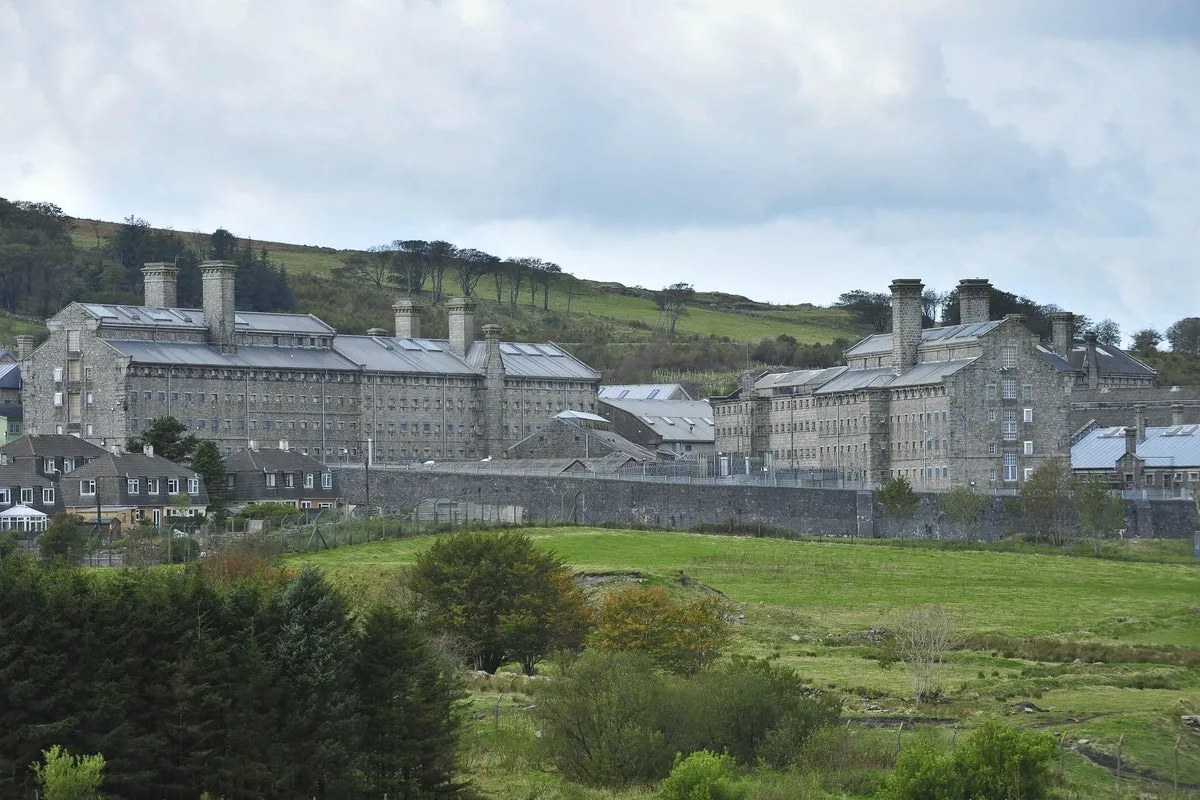
Critical security systems across Britain’s prisons are being left unrepaired for extended periods, in some cases years, creating an environment where illicit drugs can easily flood into jails, a public spending watchdog has warned. A report by the National Audit Office (NAO) reveals that broken X-ray scanners and damaged window grilles leave correctional facilities vulnerable to drug deliveries via drones and other methods.
The watchdog highlighted that HM Prison and Probation Service (HMPPS) has significantly underspent on crucial security measures. Between 2019-20 and 2021-22, HMPPS spent only 75 per cent of its £100 million security investment programme budget, with the largest shortfall identified in gate security. Prison governors have reported a lack of funds to fix essential equipment, leading to X-ray scanners remaining broken for months and window security improvements taking several years.
The maintenance backlog across the prison estate has doubled from £0.9 billion to £1.8 billion between 2020 and 2024. Tom Wheatley, president of the Prison Governors Association, explained that inmates will 'bend, break and burn' window grilles to facilitate drug deliveries, and cells are not taken out of action due to overcrowding and lack of funds. With around half of all prisoners reportedly having a drug problem as of April 2025, easy access to substances is severely hindering HMPPS’s ability to maintain control and rehabilitate offenders.
The NAO urged HMPPS to address security weaknesses in specific prisons 'with more urgency'. Gareth Davies, head of the NAO, stated: 'The proliferation of illicit drugs in prisons undermines rehabilitation, damages health, and destabilises prison environments, yet too many of the basic controls and interventions are not being done well enough.' Meanwhile, a separate report from the Public Accounts Committee (PAC) warned that the probation service is on the brink of collapse, with staff operating at an estimated 118 per cent capacity and prisoner recalls at an all-time high.
Prisons minister Lord Timpson acknowledged the findings, stating: 'This report exposes yet further failings in the prison system we inherited, with underinvestment in security contributing to the unacceptable levels of drugs behind bars. We are taking decisive action to grip this crisis, investing £40 million to bolster security including anti-drone measures.' He added that more must be done to support offenders to overcome addictions.