Prison Security Failures Exposed as Drone-Delivered Drugs Flood Jails
A shocking new report from the National Audit Office has laid bare catastrophic failures in prison security infrastructure, revealing that authorities are taking up to eleven years to install basic drone-proof windows while leaving vital scanning equipment unrepaired for months. This systemic breakdown is creating an environment where organised crime gangs are exploiting vulnerabilities to flood prisons with drugs, with approximately half of all inmates now identified as having substance abuse problems.
National Security Threat from Drone Incursions
The NAO report describes drone incursions into British prisons as a genuine threat to national security, with the proliferation of illicit substances fundamentally undermining rehabilitation efforts, damaging prisoner health, and destabilising entire prison environments. Charlie Taylor, the Chief Inspector of Prisons, has previously warned that authorities have effectively ceded the airspace over institutions to organised criminal enterprises, creating what amounts to aerial smuggling corridors directly into prison grounds.
Eleven-Year Delays for Basic Security Measures
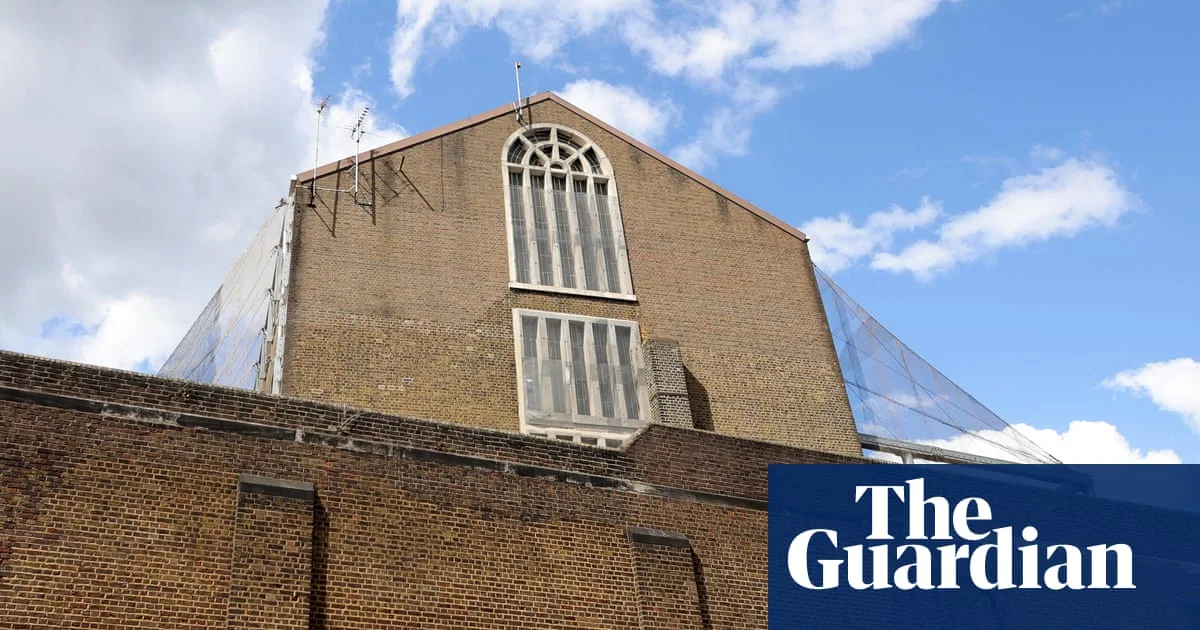
One of the most alarming revelations concerns HMP Manchester, commonly known as Strangeways, where funding for secure windows and anti-drone netting was approved back in 2021. Despite this approval, prison service officials informed the NAO in 2025 that the work would require another seven years to complete, creating an astonishing eleven-year timeline between funding allocation and practical implementation. During this extended period, prisoners have reportedly been using filaments from kettles to burn through plastic windows, creating openings for drone deliveries.
Critical Equipment Left Broken for Months
Prison governors across the estate have reported insufficient budgets to repair essential security equipment, with X-ray scanners remaining non-functional for many months and window security improvements taking several years to complete. The maintenance backlog across the prison estate has doubled from £0.9 billion to £1.8 billion between 2020 and 2024, creating what Tom Wheatley, president of the Prison Governors Association, describes as a significant and long-standing failure to effectively maintain prisons.
Underspending on Security While Drug Problems Escalate
The NAO found that HM Prison and Probation Service spent only 75 percent of its £100 million security investment programme budget between 2019-20 and 2021-22, with the largest underspend occurring in gate security. This financial shortfall coincides with a dramatic increase in drug accessibility, which prison officials say is crippling their ability to maintain control and properly rehabilitate offenders. One prisoner previously revealed to the Mail that criminal gangs can generate up to £50,000 per successful drone drop, illustrating the lucrative nature of this illicit trade.
Prison Governors Describe Impossible Choices
Tom Wheatley explained the impossible choices facing prison management: The grilles are not being immediately replaced, and those cells are not being taken out of action because we can't afford to do that and because prisons are full. That cell is now vulnerable to contraband being delivered through the window, but there's very little you can do about it. He further clarified that prison governors have no direct budget for building maintenance, which remains the responsibility of the Ministry of Justice, creating bureaucratic barriers to urgent security repairs.
Government Response and Wider Probation Crisis
Prisons minister Lord Timpson acknowledged the report's findings, stating: This report exposes yet further failings in the prison system we inherited, with underinvestment in security contributing to the unacceptable levels of drugs behind bars. The government has announced £40 million in new security investments, including anti-drone measures like reinforced windows and specialist netting. However, this response comes against a backdrop of a probation service pushed to the brink of collapse, with the Public Accounts Committee reporting record numbers of prisoner recalls and probation staff working at 118 percent capacity for several years.
Urgent Recommendations for Systemic Reform
The NAO's head, Gareth Davies, emphasised the need for immediate action: The proliferation of illicit drugs in prisons undermines rehabilitation, damages health, and destabilises prison environments, yet too many of the basic controls and interventions are not being done well enough. The watchdog's report urges HM Prison and Probation Service to respond with more urgency to security weaknesses at specific prisons and to better align health and operational priorities to combat the drug crisis effectively.






