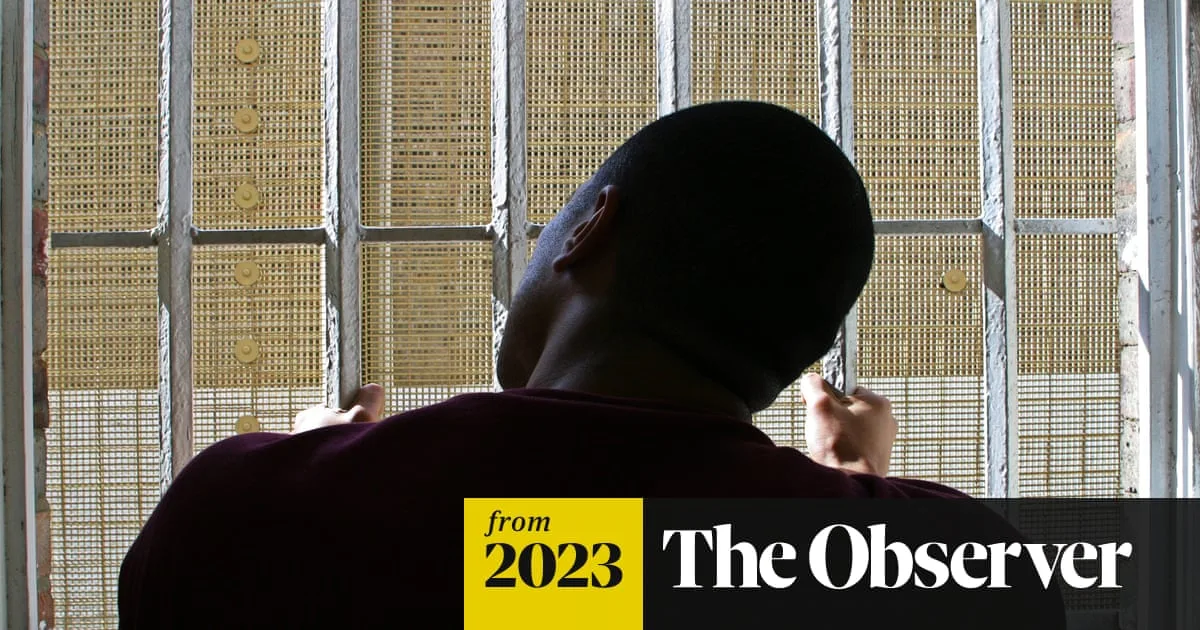
Prison Doctor Reveals Horrors as Attacks Rise and Notorious Inmates Fear for Lives
Prison Doctor Reveals Horrors as Attacks Rise in UK Jails

Prison Doctor Exposes Extreme Violence and Self-Harm in UK Jails

As concerns escalate over a series of fatal attacks within UK prisons, a prison doctor has shared harrowing accounts of the brutal realities behind bars, including incidents of disembowelment and severe self-harm. Dr Shahed Yousaf, with thirteen years of experience in the prison system, warns that violent inmate-on-inmate crime is likely to persist unless staffing levels improve, describing prisons as far from a "holiday camp."

Notorious Inmates Living in Fear Amid Surge in Attacks

The UK prison system is facing a crisis, with a recent spate of violent incidents leaving both staff and inmates on edge. In October, Ian Watkins, the paedophile singer of Lostprophets, died after an assault at HMP Wakefield, allegedly stabbed in the neck. Earlier this month, Soham killer Ian Huntley had his life support switched off following an attack at HMP Frankland, where he had long been a target.

Notorious prisoners are now reportedly terrified they could be next. According to a prison insider, Wayne Couzens, the former police officer who raped and murdered Sarah Everard, is said to be cowering in his cell at HMP Frankland, "petrified" of suffering a similar grisly fate. This fear highlights the dangerous hierarchy within prisons, where those convicted of sexual or sensitive crimes, known as Vulnerable Prisoners (VPs), are at greater risk from mainstream inmates.

Wide Pickt banner — collaborative shopping lists app for Telegram, phone mockup with grocery list

Dr Yousaf's Chilling Experiences and Calls for Reform

Dr Shahed Yousaf, author of the memoir Stitched Up: Stories of Life and Death from a Prison Doctor, has witnessed extreme violence and self-harm that he wishes he could unsee. He describes treating patients with boot prints on their faces, broken skulls, and injuries from "sugar-watering"—a method where boiling water mixed with sugar is thrown as a weapon, causing excruciating burns.

Self-harm incidents are particularly distressing, with Dr Yousaf recounting cases where inmates have cut open their bowels and pulled out their intestines, or swallowed foreign objects like batteries and glass, leading to emergency surgeries. He emphasises that such horrors are common, debunking myths that prisons are cushy environments.

Dr Yousaf argues that raising public awareness about these realities could push prison reform higher on the political agenda. He notes that prison officers, whom he calls the "forgotten fourth emergency service," deserve more recognition and appreciation for their daily risks.

Staffing Shortages and Rising Violence Statistics

Benchmarking measures introduced during austerity have led to the loss of approximately 10,000 prison officers, and the strain is still felt today. Prisons are operating at 99% capacity, creating a toxic environment. In 2024, inmate-on-inmate assaults in men’s prisons increased by 11%, while assaults on staff rose by 13%.

The government has pledged a £40 million investment to address these issues, citing a direct link between increased violence and the capacity crisis inherited from previous administrations. However, Dr Yousaf warns that without adequate staffing, violence will likely continue, putting both inmates and officers at risk.

Personal Safety and Mental Health Challenges for Prison Staff

Dr Yousaf often works alone due to confidentiality requirements, using de-escalation techniques to manage aggressive patients. He has had to push panic buttons or flee rooms for his safety, such as when a patient once ran to head-butt him. Threats are routine, especially when denying inmate requests, and he reflects on the NHS's Zero Tolerance policy against abuse with a sense of irony in this high-pressure setting.

To protect his mental well-being, Dr Yousaf avoids news reports about his patients, preferring not to know their crimes to treat them without prejudice. This approach helps him maintain professionalism, even when notorious criminals are disappointed he doesn't recognise them.

Broader Implications and Calls for Action

In November 2025, the Justice Committee warned that prisons are in a "state of disrepair," with many inmates locked in cells for 22 hours or more daily. Issues like poor recruitment, high staff turnover, and limited professional development hinder rehabilitation and contribute to reoffending.

Pickt after-article banner — collaborative shopping lists app with family illustration

Dr Yousaf's experiences underscore the urgent need for systemic changes. He believes that if the public understood the harsh truths of prison life, reform efforts would gain momentum, ultimately making facilities safer for everyone involved.