A convicted child sex predator has died in a British prison just months after being sentenced to 24 years behind bars for a series of horrific offences against young girls.
A Lengthy Sentence Cut Short
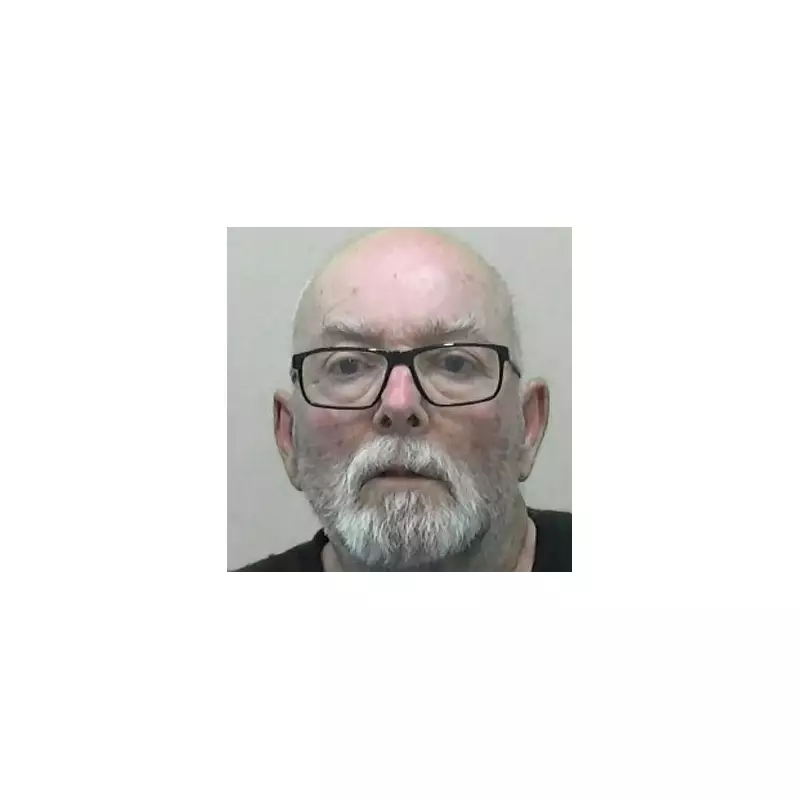
Thomas Reay, 67, from Fenham in Newcastle, died from bowel cancer on July 9 this year while incarcerated at HMP Holme House in Stockton-on-Tees. He had been sentenced in 2024, at the age of 66, after admitting to 16 child sex offences. These crimes included the rape of one child and the attempted rape of another, with his victims being as young as five years old.
Reay, who was suffering from cancer at the time of his sentencing, was described as being "resigned to dying in prison". His abuse, which took place over several years, came to light in May 2024 when his victims found the courage to report him to a family member.

An "Evil Secret" and a Mute Defence
When confronted by police, Reay stated he did not deny the allegations but refused to offer any further comment on his actions. A judge later condemned this silence, stating Reay had hoped to keep his "evil secret safe" by remaining mute. During his trial, the court heard powerful victim impact statements detailing how Reay's actions had ruined their lives.
Following his conviction, Detective Constable Paul Armstrong of Northumbria Police branded Reay a "vile predator" who had "subjected the victims in this case to horrific ordeals" and "stripped his victims of their childhood innocence through repeated abuse".
Prison Care and Investigation Findings
After Reay's death, an investigation was automatically launched by the Prisons and Probation Ombudsman (PPO). The recently published PPO report concluded that the clinical care Reay received in prison was of a good standard and equivalent to what he could have expected in the community.
The report commended healthcare staff for their proactive response to his needs and highlighted that they sat with him as he was dying. A fellow prisoner also wrote to the PPO investigator, praising staff who allowed inmates to sit with Reay to comfort him during his final days.
The PPO found no non-clinical issues of concern and made no recommendations. At an inquest held in December, a coroner officially recorded Reay's death as being from natural causes.