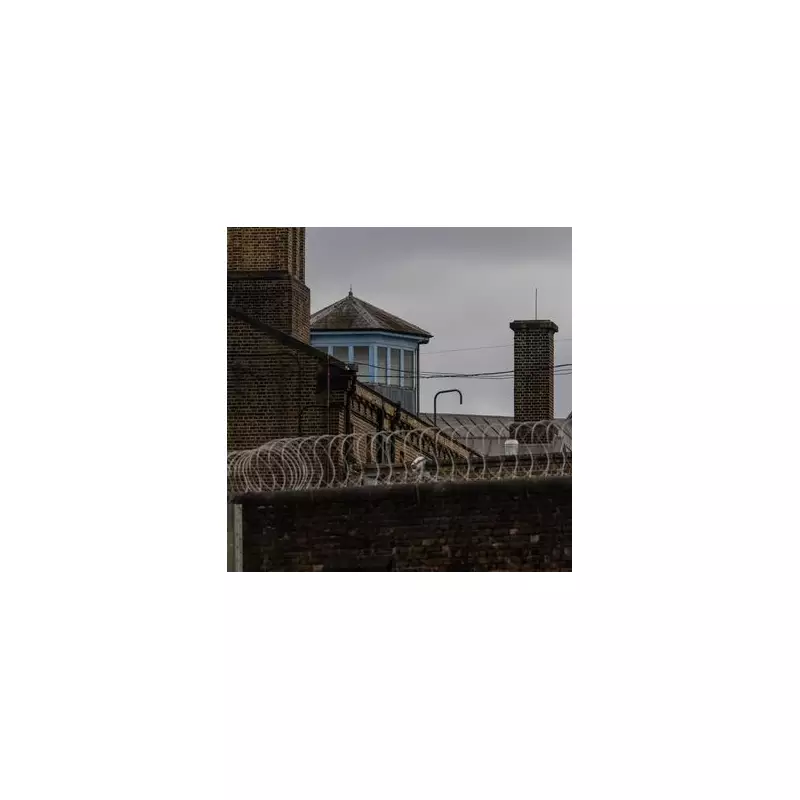
An antiquated computer system used across the UK's prisons is being blamed for a dramatic increase in inmates being mistakenly released, including high-profile sex offenders and violent criminals.
A System in Crisis
The scale of the problem was laid bare this week as the Metropolitan Police confirmed the arrest of Brahim Kaddour-Cherif, a 24-year-old Algerian sex offender who was accidentally released from HMP Wandsworth last week. It took prison staff five days to inform Scotland Yard of the catastrophic error before a major manhunt was launched on Tuesday.
This incident is not isolated. Just days earlier, convicted fraudster Billy Smith, 35, was also mistakenly freed from the same prison. He later handed himself back in, but not before being photographed kissing a woman believed to be his girlfriend and smoking a cigarette outside the gates.
These blunders are part of a deeply worrying trend. Last month, Epping sex attacker Hadush Kebatu, 38, was accidentally released from HMP Chelmsford instead of being deported. He had been sentenced just four weeks prior for sexually assaulting a 14-year-old girl and a woman in Essex.
The Root of the Problem
Government statistics reveal the alarming extent of this failure. In the 12 months to March this year, 262 prisoners were released in error – a staggering 128% increase from the 115 mistaken releases recorded the previous year.
Insiders within HM Prison and Probation Service point to an 'outdated' and 'unfit for purpose' electronic log system called NOMIS as the primary cause. The system, developed in the 2000s and introduced in May 2010, is described as old, complex, and difficult to maintain. Its lack of compatibility with other systems often forces staff to rely on physical print-outs to transfer vital information.
A more modern replacement, the Digital Prison Services (DPS), began a slow rollout in some English and Welsh prisons in 2021. However, a full replacement of the old NOMIS system is not expected until 2029, leaving many institutions stuck with technology that is widely regarded as inadequate.
Voices from the Frontline
Mark Fairhurst, national chair of the Prison Officers' Association (POA), did not mince his words. He told the Mirror: "All IT systems within HMPPS are outdated and unfit for purpose. We consider ourselves to be the forgotten service who rely on crumbs from the treasury table to survive."
He added that these errors highlight "decades of under investment in both technology and staff," warning that without a major overhaul, the frontline will remain under intolerable pressure.
The criticism extends even to those leaving custody. Proinsias O'Doherty, 28, speaking after his release from HMP Belmarsh, said: "It's the NOMIS system, not the actual screws. The screws can only work to what the computers are like... They have a finger print system. Now, this finger print system I don't think is any good for any prison because you know what technology's like... it breaks!"
In response, the government has acknowledged an over-reliance on pen-and-paper methods and has vowed to send specialist teams to roll out new technology. Deputy Prime Minister David Lammy has introduced new checks, requiring governor oversight of all releases.
Highlighting the impact of long-term underfunding, Mr Lammy stated: "We inherited a prison system in crisis and I’m appalled at the rate of releases in error this is causing. I’m determined to grip this problem, but there is a mountain to climb which cannot be done overnight."