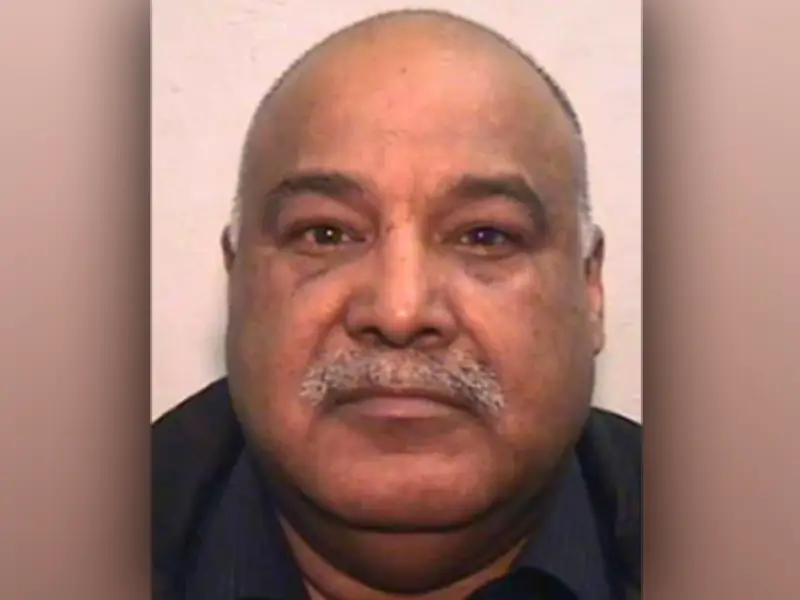
Oldham MP Jim McMahon has expressed support for Home Secretary Shabana Mahmood's plan to amend UK law to permit the deportation of Shabir Ahmed, the ringleader of the Rochdale grooming gang. Ahmed, now 73, was released from prison on July 2 after serving 14 years of a 19-year sentence for rape and sexual offences against girls as young as 12.
Details of the Case
Ahmed was convicted in 2012 on two counts of rape, one sexual assault, trafficking, and conspiracy to engage in sexual activity with a child. He shared one victim with other men at sex parties across the North of England. His release has sparked public outrage, with the father of one victim telling the Manchester Evening News he was 'a hundred per cent convinced [Ahmed] will reoffend'.
Ahmed held dual British and Pakistani citizenship but was stripped of his British citizenship. However, a 1971 law prevents the deportation of certain Commonwealth citizens who arrived in the UK more than 50 years ago. Home Secretary Shabana Mahmood announced plans to close this loophole, with details expected on Monday.
MP's Response
Speaking on BBC Radio 4's Today programme, McMahon stated: 'The UK needs to get its own legal house in order, he will never go to Pakistan if we haven’t got the legal ability to remove him from the UK. The receiving country also needs to accept the offender. There will be diplomatic conversations taking place between the Foreign Office and the Pakistani government. But we need to make sure that this 1971 Immigration Act loophole is closed. The announcement that we have heard is to be welcomed.'
McMahon emphasised the victims' plight: 'The victims have been through absolute hell and trauma and they deserve absolute justice on this. Many are living in fear, some of them weren’t even contacted by the probation service that he was being released, they found out through the media. Those are the people that should be at the front of our minds.'
On the release decision, he said: 'I think the government were between a rock and hard place. He had already served his mandatory sentence and could not lawfully be detained any further. At that point he had to be released. The parole board met around 18 months earlier and determined that even with stringent conditions of release, they were not confident that he was safe to be released. So what has changed then? Have conditions changed, or is he still an active risk to society? I believe it’s the latter and we need clarity on that.'
Diplomatic Tensions
A senior Pakistani official criticised the UK's stance, telling The Telegraph that the government displayed 'arrogance' and a 'colonial mindset'. The official said: 'These demands are being made about somebody who is now around 75 and who has spent more than 60 years in your country. How is he our national when he is actually not our national?'
McMahon rejected this view: 'I think the Pakistani government needs to be mindful of British Pakistanis. Ahmed’s abuse was not confined to white British girls, he abused any young girl he could. Every country has a right to decide who comes in, on what terms they are allowed to stay, and on what terms they are asked to leave if they break the laws of the land. Pakistan has that for their own country, so does Britain. It just seems that there was no action at all by the previous government. It’s been left now for Shabana Mahmood to sort out, and fair play to her for doing it.'
Former Prosecutor's View
Nazir Afzal, the former chief prosecutor for the North West who led the case against Ahmed, said he 'totally understood' the outrage. He stated: 'Victims were terrified of him when they gave evidence. He is totally remorseless and subjected them to the kind of cross-examination that frankly these days would not be allowed. He never accepted that he’d done anything wrong. The victims had to suffer that terrible experience, then the fact that he was going to be released and wasn’t going to be deported. So they've been traumatised and re-traumatised by it.'
Afzal argued that the solution lies in diplomacy, not legislation: 'Parliament can rewrite its own laws but they cannot rewrite Pakistan’s laws. The judge gave a sentence and he served what he was required to. He has complied with whatever terms he was given and they decided to release him. I think they would have then found themselves receiving legal challenges if they hadn’t. Pakistan have said that he is no longer a Pakistani citizen. They would refer to Shamima Begum and say, she is no longer a British citizen, how would you feel if Syria tried to return her to you? Clearly the Home Secretary is fixing the bit that she can fix. This is a diplomatic matter and there will undoubtedly be human rights challenges - which Parliament can explicitly exclude as they did with the Rwanda bill. Pakistan doesn't have the duty to take him back but they could agree to it. The answer lies in diplomacy, not legislation.'