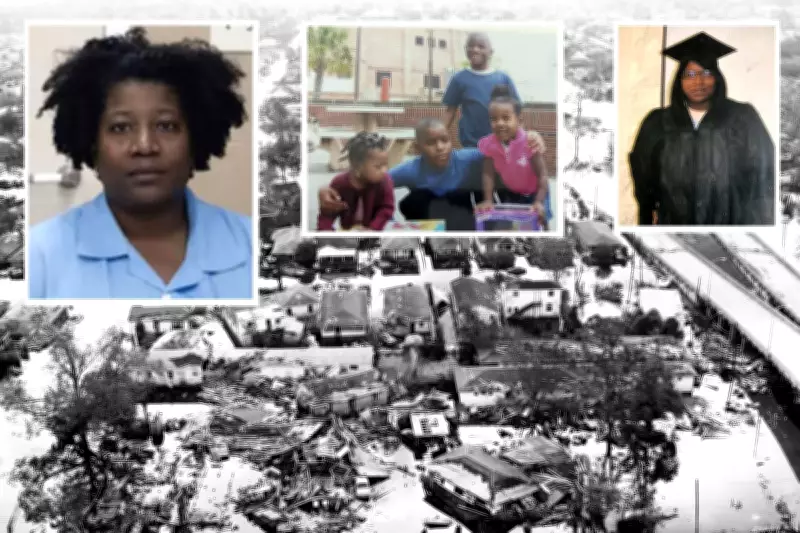
Mother Denied Parole by Single Vote After Life Sentence for Baby's Cow's Milk Death
Tiffany Woods, a 46-year-old woman serving a life sentence for second-degree murder following the death of her five-month-old son in 2005, has been denied parole by the narrowest of margins. The Louisiana Board of Pardons and Parole rejected her release in February 2026, with the decision hinging on a single dissenting vote that prevented the unanimous agreement required for parole approval.
A Tragedy Born from Hurricane Katrina's Chaos
The case stems from the aftermath of Hurricane Katrina, which devastated New Orleans in 2005. Baby Emmanuel was born prematurely that year and discharged from Tulane Hospital just two weeks before the catastrophic storm hit. The hurricane forced the evacuation of approximately 500,000 residents and severely disrupted access to essential supplies including food, medicine, and infant formula.
During the parole hearing, Woods described the desperate circumstances her family faced. She testified that after drinking formula, Emmanuel would "throw up in large amounts." When her government vouchers for infant formula ran out, she made what she later called a devastating decision: diluting cow's milk with water and feeding it to her baby.

Medical experts emphasize that cow's milk is unsuitable for infants under one year old. The American Academy of Pediatrics warns it lacks necessary nutrients and can cause digestive problems including vomiting and diarrhea. Emmanuel had tested positive for a metabolic deficiency at birth that impaired his ability to process certain fats, according to The Marshall Project. A follow-up appointment scheduled for August 29, 2005—the day after New Orleans' evacuation order—was never kept.
The Legal Consequences and Family Fracture
Baby Emmanuel died from malnutrition in November 2005. In 2008, Tiffany Woods and the baby's father, Emmanuel Scott, were convicted of second-degree murder and sentenced to life in prison. Second-degree murder charges in Louisiana do not require proof of intent to harm.
Prosecutor Brady O'Callaghan argued during the original trial that the parents should have sought help, stating: "Ms. Woods and Mr. Scott had the complete custody and care of this child. And they watched it die of starvation and dehydration in a city that at that time was doing everything it could to reach out to evacuees."
The family was torn apart following Woods' arrest. Her oldest son, Nie'John Woods, was just eight years old when his brother died. He and his younger brother were placed in foster care, while his sisters went to another home. The siblings cycled through foster care and relatives' houses for years.
"The family was completely broken apart," Nie'John recalled. "The state didn't make sure we stayed together as siblings."
Rehabilitation Versus Retrial at Parole Hearing
Woods' sentence was reduced to 32 years in 2023, making her eligible for parole in 2026. During the February 10 parole hearing, prison officials and supporters testified extensively about her rehabilitation efforts.
While incarcerated at the Louisiana Correctional Institute for Women, Woods completed seminary training and paralegal courses through Blackstone Career Education. She mentors other incarcerated women and maintains a clean disciplinary record. Prison Warden Kristen Thomas told the board: "She is not a disciplinary problem. We don't have any issues with Tiffany. She is low risk and low needs."
However, the district attorney's office focused heavily on the original crime. Leone Fitzgerald, director of the Caddo Parish District Attorney's Victim Assistance Program, presented graphic photos of malnourished baby Emmanuel from 2005 and argued against parole, stating her office was "getting a little tired of hearing about Hurricane Katrina" as justification.
Two of the three board members voted for parole, but the third member—while praising Woods' progress—said she was swayed by the photographic evidence. Without the required unanimous decision, Woods remains imprisoned.

A Son's Anguish and Hope for the Future
Nie'John Woods, now an Air Force veteran living in California, watched the hearing via Zoom and described feeling "shocked and angry" at the outcome. He had hoped his mother's release would allow family reunification in Louisiana.
"I went into the parole hearing thinking parole hearings are conducted to determine if an incarcerated person poses a risk to public safety," he said. "But the DA opposition was focused on the past. It's almost as if you're being retried."
He vividly remembers his mother's attempts to save his brother, describing how she called 911 and performed CPR: "She was trying to bring him back to life. Pumping his heart and trying to breathe life into him."
After the parole denial, Nie'John spoke with his devastated mother. "She feels defeated," he reported. "She was saying that she doesn't want to go through that again. She can't take it."
Despite the setback, Nie'John maintains hope and believes in his mother's transformation: "The point of prison, I thought, was to rehabilitate you. And I believe she was successfully rehabilitated. The person she is today is not the same person she was in 2005."
Tiffany Woods' next opportunity for parole consideration will come in five years. For now, her family continues to grapple with a tragedy that began during one of America's worst natural disasters and continues to unfold nearly two decades later.