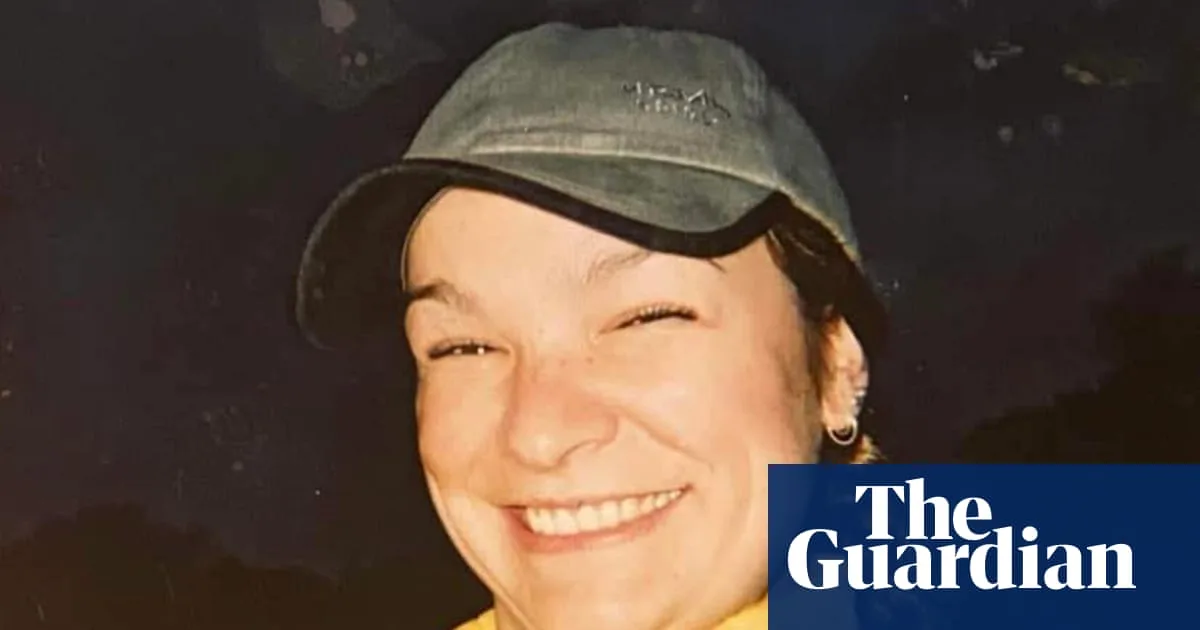
Inquest Uncovers Systemic Failures in Prison Death of Mentally Ill Woman
A coroner's inquest has concluded that "missed opportunities" could have prevented the tragic death of Clare Dupree, a 48-year-old woman with severe mental illness, who died from smoke inhalation after starting a fire in her prison cell. The jury found that a lack of automatic fire detection and an incorrect diagnosis significantly contributed to the fatal incident at HMP Eastwood Park in Gloucestershire in December 2022.
Background and Personal Struggles
Clare Dupree, from Cardiff, had a history of mental health challenges stemming from childhood trauma. At age 14, she underwent surgery to remove a cancerous cyst near her brain, and at 15, she was raped, leading to a loss of confidence and social withdrawal. Her brother, Phillip Thorrington, noted that she was "never the same" after these events, turning to drugs and struggling with her mental health.
Her sister, Rachel Thorrington, described Dupree as a "happy, kind, outgoing person" who was introduced to heroin and fell in with "the wrong people," exacerbating her mental health issues. In her mid-20s, Dupree was sectioned and lost custody of her daughters, who were cared for by family members. Despite fluctuations in her condition, her daughter Emma Baptiste remembered her as a "caring, sensitive, generous, funny, friendly, warm, welcoming, amazing person."
Incarceration and Systemic Failures
Dupree was first imprisoned in summer 2022 after being coerced by an abusive partner into theft, during which she threatened a supermarket security guard with a knife. Rachel Thorrington highlighted the severity of the abuse, including physical violence that left Dupree hospitalized. Towards the end of her sentence, concerns over her mental health led to a referral to a psychiatric intensive care unit, but a psychiatrist declined hospitalization, and she was released homeless into the community.
Dr. Inti Qurashi, an independent forensic psychiatrist, testified that Dupree's incorrect diagnosis of emotionally unstable personality disorder in 2013, rather than bipolar disorder, led to diagnostic overshadowing and misattribution of symptoms to drug-induced psychosis. He argued that proper treatment could have reduced her risk behaviors and prevented incarceration. The health board involved expressed commitment to learning from the case.
The Fatal Fire and Safety Lapses
In November 2022, Dupree was sent back to HMP Eastwood Park. Her family initially felt relief that she would have shelter and safety over Christmas. However, on Boxing Day evening, a fire broke out in her cell, started with a vape. The inquest heard that staff were not immediately alerted because the cell only had a domestic smoke detector outside, despite a 2015 inspection recommending automatic fire detectors (AFDs).
Other prisoners tried to raise the alarm, with one hearing Dupree "screaming" and shouting "I'm on fire." Regulations required prisoners to be removed within 20 minutes of fire detection, but Dupree was not recovered for 33 minutes. When staff arrived, the door handle was too hot to touch, delaying rescue until the fire brigade arrived. Fire inspector Justin Ashburn stated that an AFD "potentially" could have saved her life, in conjunction with better decision-making.
Aftermath and Calls for Change
Dupree died on 28 December from a hypoxic-ischaemic brain injury, respiratory infection, and multi-organ failure. Coroner Maria Voisin announced she would submit a prevention of future deaths report to the Ministry of Justice, addressing the lack of AFDs at Eastwood Park and other prisons. Rachel Thorrington emphasized that this should not happen to another vulnerable woman, asserting Dupree should have been in hospital, not prison.
The family, including Dupree's children, has been deeply affected. Baptiste expressed ongoing grief, waking daily to watch a video of her mother and crying over "what could have been." A Prison Service spokesperson offered condolences and noted that recommendations from an independent investigation have been accepted, with efforts ongoing to reduce risks, though fire-related deaths in prison are rare.