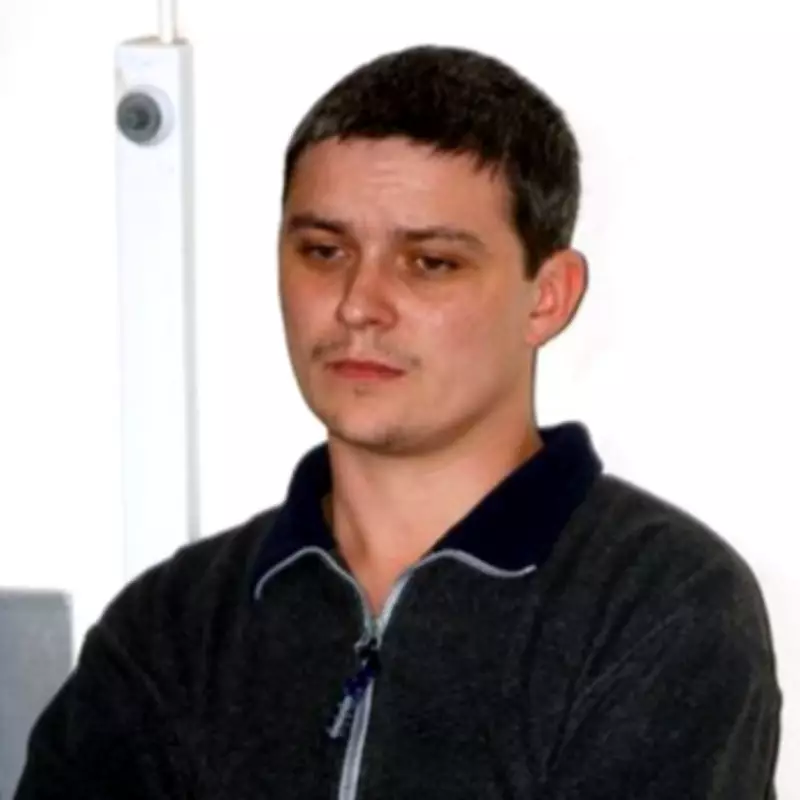
Ian Huntley's mother, Lynda Richards, is reported to have been instrumental in the decision to withdraw life support from the convicted Soham killer, following a severe assault he sustained while incarcerated. The ventilator that had been sustaining Huntley's life was removed earlier today, according to sources close to the situation, after extensive consultations with his mother, who is believed to have been his sole visitor at the hospital bedside.
Critical Condition After Prison Incident
Ian Huntley, who is serving a life sentence for the murders of Holly Wells and Jessica Chapman in 2002, was attacked in prison, leading to a rapid deterioration in his health. Medical professionals placed him on life support in a desperate attempt to stabilise his condition, but his prognosis remained dire. Reports indicate that Huntley is now only hours away from death, with his vital signs failing despite the medical intervention.
Mother's Role in End-of-Life Decision
Lynda Richards, Huntley's mother, has been described as the primary decision-maker in this tragic scenario. As the only family member to have visited him during this critical period, she was consulted by healthcare providers regarding the withdrawal of life-sustaining treatment. This decision underscores the emotional and ethical complexities involved in such cases, particularly when the individual is a notorious criminal with limited familial connections.

The removal of the ventilator marks a significant and sombre development in Huntley's case, which has gripped public attention for over two decades. Authorities have not released detailed information about the nature of the prison attack or the specific medical reasons for withdrawing support, but it is understood that Huntley's injuries were severe and ultimately irreversible.
Broader Implications and Public Reaction
This incident raises questions about prison safety and the treatment of high-profile inmates, as well as the moral dilemmas surrounding end-of-life care for individuals convicted of heinous crimes. Public reaction has been mixed, with some expressing sympathy for the family's plight, while others remain focused on the victims of Huntley's original offences.
As the situation unfolds, further updates are expected from prison officials and medical authorities. The story continues to develop, highlighting the ongoing challenges within the criminal justice and healthcare systems when dealing with such complex and emotionally charged cases.