Inside Cancún's High-Security Prison: Women Find Dignity and Creativity
At the end of a road in Cancún, Quintana Roo, a tall watchtower rises behind barbed wire and perimeter walls closely monitored by the army. This is the Cereso high-security prison complex, housing a men's facility and a section called Modulo 2 reserved for 284 female inmates. Inside, time moves slowly, with days structured around chores and workshops organised by the prison administration.
A Transformation from Danger to Rehabilitation
Just two years ago, Cereso was considered one of Mexico's most dangerous prisons, with male inmates controlling the facility and minimal security due to insufficient guards. The Quintana Roo government intervened with army support, installing a new administration to regain control. Since then, the prison has been entirely remodelled, with renovated infrastructure and a focus on rehabilitation.
Mental health is now a priority, with six psychologists dedicated to the women's section and regular psychosocial workshops aimed at preparing inmates for release and reintegration. Behind each prisoner lies a story shaped by poverty, exclusion, and precarious living conditions.

Life Behind Bars: Mothers, Crimes, and Justice
Among the women, six have given birth while in prison, with their children remaining until age three before being handed over to families. The area for mothers and toddlers is designed to be playful but remains within penitentiary confines. Most women at Cereso are convicted of serious crimes like human trafficking, sexual exploitation, or drug offences, with some serving sentences for murder.
Many are held in pre-trial detention, sometimes for years, due to Mexico's slow judicial system and stricter criminal policies. Legally, women face no harsher judgment than men, but gender-specific discrimination and social circumstances often work against them. All unsentenced women interviewed insisted on their innocence.
Moments of Solidarity and Creativity
Within this enclosed space, encounters carry emotional weight, with laughter and joy present despite the setting. Inmates participate enthusiastically in activities like sewing and embroidery, which structure daily life and provide small sources of income. For example, Blanca, serving 54 years, learned to read and write in prison and proudly shares a self-composed song reflecting on her shattered dreams.
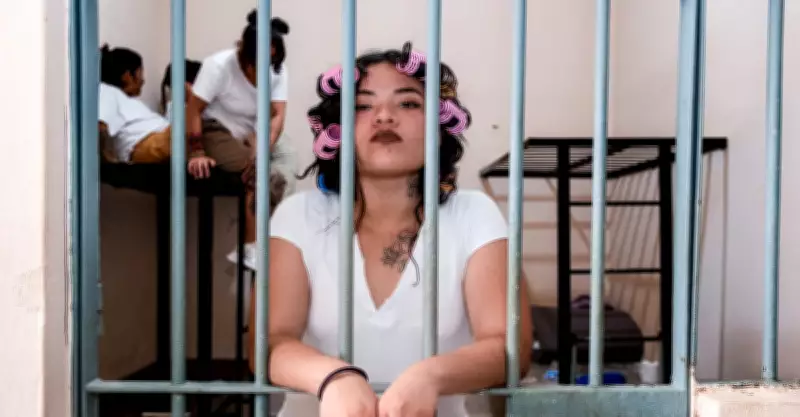
The photography project Modulo 2 explores subtle resistance, observing moments when women reclaim control over their image through makeup, hairstyling, and manicures. Beauty products are strictly regulated and available only under supervision, but these rare moments transform the atmosphere, with postures shifting and gazes becoming more assertive.
Asserting Identity in a Controlled Environment
In a space designed to standardise and control bodies, gestures like applying eyeliner or braiding hair become acts of reclaiming agency. Prisons are often depicted through overcrowding and violence, but Modulo 2 offers a nuanced picture: sentences are heavy, control is omnipresent, and opportunities are limited, yet solidarity, creativity, and pride persist.
Beauty rituals do not erase crimes or structural inequalities but reveal the penal system's complexity, showing that identity does not disappear behind bars. In a place regulating time and disciplining bodies, women find small spaces to exist as more than inmates, asserting dignity and humanity in constrained circumstances.