Zombie Knife Crime Persists Despite Legal Ban, Police Survey Reveals
A comprehensive survey of police forces across the United Kingdom has uncovered a disturbing trend: criminals armed with hunting knives and machete-style weapons continue to spread violence and terror on British streets, despite a government ban implemented in 2024. The study reveals that these lethal weapons, often referred to as zombie knives, are involved in nearly 900 crimes every month, including robberies, assaults, sexual attacks, and domestic violence incidents.
Record Offences with Outlawed Weapons
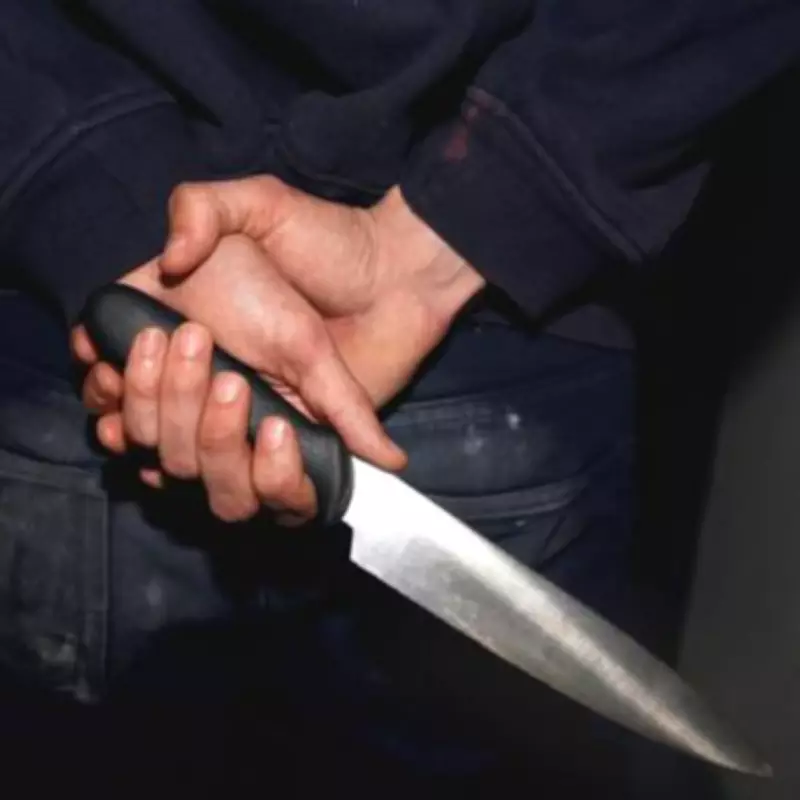
Police crime logs indicate a record number of offences are still being committed with Rambo-style machetes, even though these weapons were officially outlawed. Criminals frequently conceal these dangerous jungle weapons down their jogging trousers or beneath their coats before taking to the streets. The public concern about these lethal blades reached a critical point last year, prompting the government to introduce a ban and operate an amnesty where individuals could surrender their knives in exchange for compensation.
Tragic Cases Highlight Ongoing Crisis
The public outcry over zombie knives peaked in March 2024 when three teenage boys were found guilty of killing 16-year-old Mikey Roynon at a birthday party in Bath. Mikey was stabbed in the back of the neck with a so-called zombie knife following an incident in the back garden of the house. CCTV footage from a bus showed one of the killers travelling to the party with a large knife hidden down his trousers.

In June of the same year, two 12-year-old boys were found guilty of murdering 19-year-old Shawn Seesahai, who was stabbed through the heart with a machete during an attack in Wolverhampton. Jurors in the trial heard that the attackers struck their victim with such ferocity that in one blow, the 16-inch machete almost passed completely through his body.
Further tragedy occurred in July last year when two teenagers received life sentences for murdering a 14-year-old boy whom they attacked with machetes on a bus in south-east London. Kelyan Bokassa was stabbed 27 times as he sat on the back seat of a route 472 bus in January of last year. His attackers admitted murder after the assault was captured on bus CCTV cameras.
National Statistics Paint Grim Picture
The latest figures from police forces in England and Wales show machetes were used in 1,697 offences during the last two months of 2025. During the same time period, these weapons were linked to another 74 crimes in Scotland and eight in Northern Ireland. However, the true total is believed to be even higher, as six of the nation's forces including Kent, Lancashire and Thames Valley failed to provide responses to the survey.
The weapons first gained significant public attention in 2013 when Fusilier Lee Rigby was hacked to death on the streets of London with a machete. This year's dossier of crimes involving these weapons, uncovered through a Freedom of Information survey, includes gruesome attacks, drug crimes, blackmail incidents, and numerous robberies.
Regional Incidents Demonstrate Widespread Problem
In South Wales, officers dealt with a case where a gang of machete-wielding masked men sent a threatening video to a customer of an escort agency, demanding £2,000 and threatening to attack him and his family if he failed to pay. Another concerning case involved a parent reporting that their son had been shown two machetes in the school bag of a classmate, who threatened to stab him if he told anybody.
Cheshire police handled a case where a victim reported having a machete-waving attacker outside their home shouting "Come out and I'll slice you." Police in Northamptonshire responded to a robbery where an armed criminal held up a garage and forced the cashier to hand over cash from the till before making his escape.
In Suffolk, officers dealt with a case where a victim suffered deep slash wounds to their hands after getting into an argument over the return of a coat. Meanwhile, in neighbouring Norfolk, pig-rustlers armed with machetes made off with two animals from a pen while seriously injuring another with the weapon.

Officers in Leicestershire responded to a domestic violence case where a man held a machete to a woman's neck while making threats to kill her. Another domestic violence case in Cheshire saw a man stand outside his former partner's address while armed with a machete, shouting threats that included killing her pet rabbit.
Hertfordshire police detailed several cases where they arrested suspected drug dealers who had armed themselves with machetes. In Cleveland, police reported dealing with 61 cases in the last two months of 2025 that were connected to machetes, including offences of kidnapping, robbery, attempted murder, and sexual assault.
Officers from British Transport Police revealed cases where train passengers were robbed of their valuables by gangs armed with machetes who threatened them with the weapons. One suspect was found in possession of a machete with a 17-inch long blade.
Geographic Distribution of Incidents
During the two-month period surveyed, the forces that logged the most machete incidents were West Midlands (245), Greater Manchester (203), Avon & Somerset (176), Metropolitan Police (139), and West Yorkshire (122). These statistics demonstrate the widespread nature of the problem across different regions of the country.
Expert Calls for Stronger Regulation
Patrick Green, CEO of the Ben Kinsella Trust, commented: "Introducing a ban on ninja swords and zombie style machetes was the correct policy response. However, this survey clearly shows that, on their own, these bans can only have a limited impact."
"The ease with which large knives, swords and machetes can still be purchased online, through major online shopping platforms and social media marketplaces has created a dangerous conduit for unregulated sales, often with little or no age verification," Green continued. "If we are serious about stopping the flow of lethal weapons onto our streets, the Government needs to go further. That is why I am calling for a comprehensive licensing system for knife sales, ensuring that only reputable and accountable retailers can sell knives."
"Without proper regulation of online marketplaces and stronger controls on who can sell these weapons, young people will continue to be placed at risk. A licensing system would close the loopholes that currently allow dangerous knives to be bought with ease, and it would be a major step forward in protecting the public and preventing further tragedy."
Government Response and Future Measures
A Home Office spokesperson stated: "The government is determined in its mission to halve knife crime within a decade. Nearly 60,000 knives have already been removed from Britain's streets to help make our communities safer and knife homicides have fallen by almost 20%."
"We're introducing new laws to prevent knives being sold illegally online, driving the development of innovative knife detection technology, and have banned zombie-style knives, zombie-style machetes, and ninja swords." The spokesperson emphasized the government's ongoing commitment to addressing the complex issue of knife crime through multiple approaches and interventions.