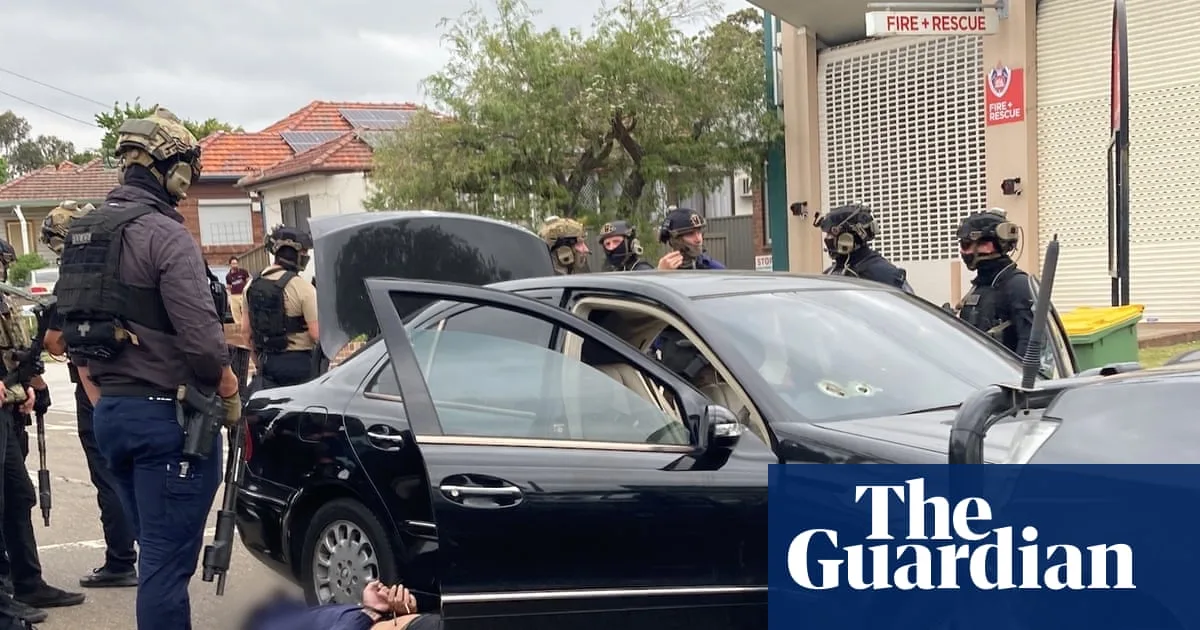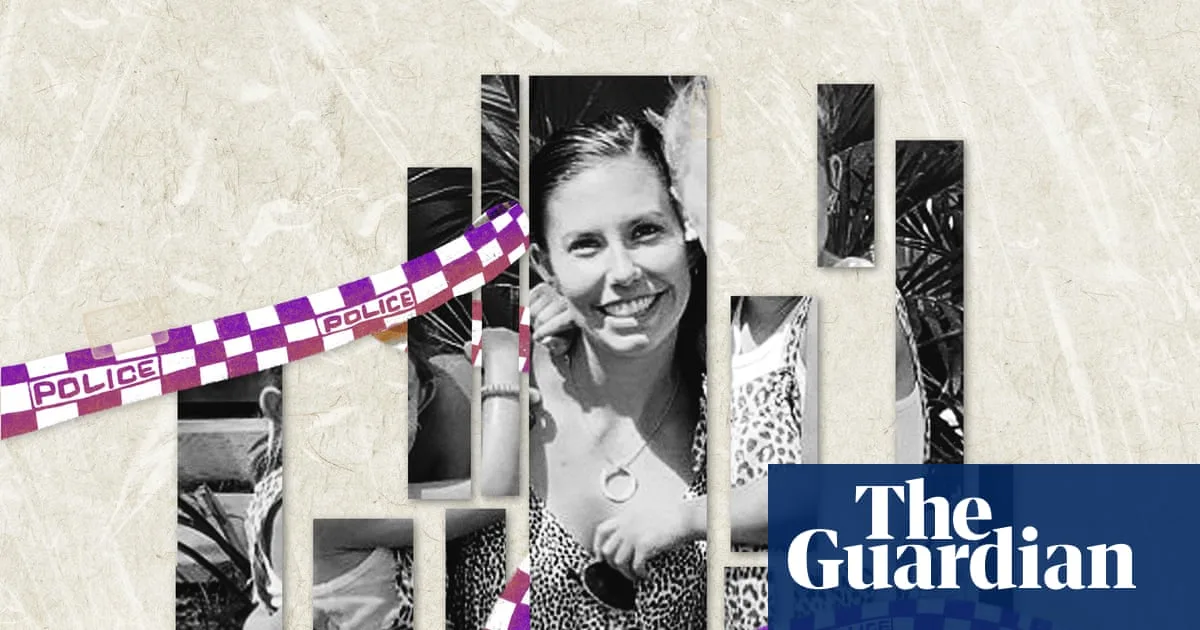
New evidence uncovered by Guardian Australia reveals serious police failings in the lead-up to the murders of Hannah Clarke and her three children that were overlooked by the coronial inquest and never investigated by homicide detectives. The previously unreported material includes evidence that Clarke made repeated disclosures to a Queensland police officer about her estranged husband, Rowan Baxter, that were not logged in police systems.
Clarke, 31, was leaving her parents’ Brisbane home on 19 February 2020 to take her children to school when Baxter, 42, jumped into the car. He splashed fuel and set it alight before stabbing himself and dying nearby. The bodies of Aaliyah, six, Laianah, four, and Trey, three, were found in the vehicle; Clarke died in hospital.
The coroner presiding at the inquest found that it was unlikely anything more could have been done to prevent Baxter from killing his family. But a whistleblower has alleged that the homicide investigation into the deaths did not investigate the prior police response and failed to address potentially critical mistakes in the final months of Clarke’s life.

Hundreds of pages of text messages between Clarke and a senior constable, Kirsten Kent, show that the Brisbane mother had disclosed non-lethal strangulation, stalking and suspected child grooming in the months before her death. These allegations were not recorded in police systems by Kent, who had been assigned to handle Clarke’s case. Police sources say Kent’s failure to log the allegations could have prevented an accurate assessment of the level of risk Clarke faced.
The deputy state coroner Jane Bentley said at the inquest that Kent was “to be commended” for her dealings with Clarke. However, a whistleblower from within the coronial system has accused the coroner of failing to identify the fact that Kent had not logged these messages and of failing to consider the consequences of that failure.