Utah Woman Found Guilty of Murdering Husband After Publishing Grief Book
A Utah woman has been convicted of aggravated murder after poisoning her husband with fentanyl and subsequently self-publishing a children's book about coping with grief. The verdict was delivered on Monday following a trial that revealed shocking details about her motives and actions.
Prosecution Details the Poisoning Plot
Prosecutors stated that Kouri Richins slipped five times the lethal dose of the synthetic opioid into a cocktail that her husband, Eric Richins, consumed in March 2022. This act was part of a calculated plan driven by financial desperation and personal betrayal.
The court heard that Richins was millions of dollars in debt and falsely believed she would inherit her husband's estate, valued at over $4 million, upon his death. Prosecutors emphasized that she was planning a future with another man she was secretly seeing, highlighting her desire to leave her husband without sacrificing his wealth.

Additional Charges and Evidence Presented
Richins was also found guilty of other felonies, including an attempted murder charge related to an earlier incident on Valentine's Day, where authorities alleged she tried to poison her husband with a fentanyl-laced sandwich that caused him to black out. Jurors additionally convicted her of forgery and fraudulently claiming insurance benefits after his death.
Prosecutors revealed that Richins, a real estate agent specializing in flipping houses, had opened numerous life insurance policies on her husband without his knowledge, with benefits totalling approximately $2 million. Text messages between Richins and Robert Josh Grossman, the man with whom she was allegedly having an affair, showed her fantasizing about divorce and financial gain.
Digital Evidence and Emotional Courtroom Scenes
A digital forensic analyst testified that Richins' internet search history included queries such as "what is a lethal dose of fentanyl," "luxury prisons for the rich America," and "if someone is poisoned what does it go down on the death certificate as." This evidence painted a picture of premeditation and intent.
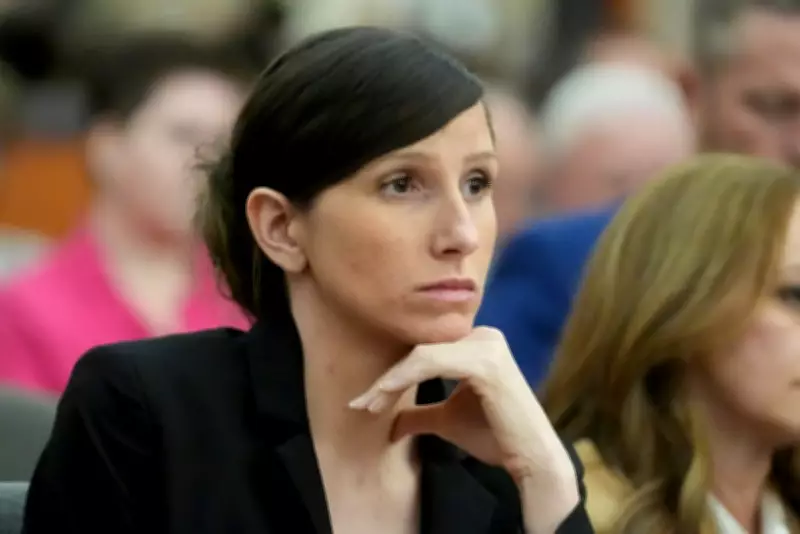
During the verdict reading, Richins stared at the floor and took deep breaths, while family members from both sides left the courtroom hugging and crying. The jury deliberated for just under three hours, delivering a swift decision.
Eric Richins' sister, Amy Richins, expressed, "Honestly I feel like we're all in shock. We got justice for my brother."Sentencing and Trial Proceedings
Sentencing is scheduled for 13 May, which would have been Eric Richins' 44th birthday. The aggravated murder charge alone carries a sentence of 25 years to life in prison. The trial, originally planned for five weeks, was cut short when Richins waived her right to testify, and her legal team rested its case without calling any witnesses.
Her lawyers argued that prosecutors did not provide sufficient evidence for a murder conviction, but the jury's verdict reflected the strength of the case presented. Prosecutors played a clip of Richins' 911 call from the night of her husband's death, with Bloodworth stating it was "the sound of a wife becoming a black widow," rather than a grieving widow.
This case has drawn significant attention due to its blend of crime, financial motives, and the ironic publication of a grief-themed book, underscoring the complexities of human behavior under pressure.