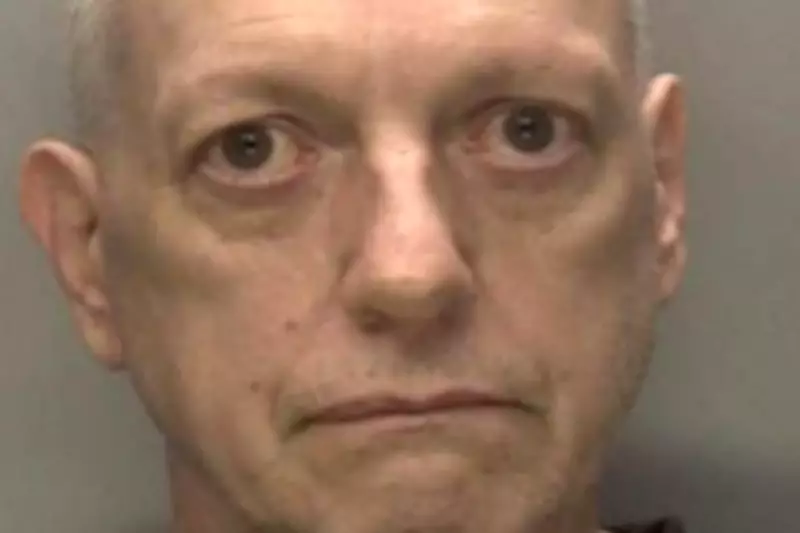
Stalker Who Terrorised Myleene Klass with Air Gun and Letters Detained Indefinitely
A stalker who subjected television presenter Myleene Klass and her colleague to a prolonged campaign of terror, sending them an air pistol, handcuffs, and disturbing letters, has been handed an indefinite hospital order. Peter Windsor, 61, was found guilty last October of stalking the Classic FM radio stars, following a trial that revealed years of alarming behaviour.
Years of Unwanted Items and Psychological Terror
The court heard that between March 2020 and August 2024, Windsor sent a series of bizarre and frightening parcels to Klass and Katie Breathwick at their central London studios. Items included an air gun in a box with Klass's name on it, a police uniform, handcuffs, and numerous "unhinged" letters. Klass testified that she felt "sheer terror" upon receiving the firearm, while Breathwick described becoming hypervigilant and suffering from panic attacks and migraines.
Neither victim attended Coventry Crown Court for the sentencing, where Windsor, of Stechford, Birmingham, was given the hospital order alongside a restraining order prohibiting any contact. The women had submitted written statements detailing the severe impact of Windsor's actions, which the prosecution summarised as causing pervasive psychological harm, suspicion of strangers, and disruption to their work and charity activities.

Mental Health and Bizarre Behaviour
Windsor, who has a decades-long history of mental illness including a schizophrenia diagnosis, claimed during the trial that he was not guilty by reason of insanity. He described sending the parcels as a "pretend weird" acting performance and insisted a letter he sent to then-Scottish First Minister Nicola Sturgeon—"signed in blood" and pledging his soul to Satan—was "just a joke."
Consultant psychiatrist Dr Nicholas Kennedy reported that Windsor requires long-term treatment for schizophrenia, displaying chronic delusions and limited understanding of his actions' effects. Defence barrister Philip Brunt argued there was a "causal link" between the offending and his mental health condition, noting Windsor had never attempted physical contact and was previously of good character.
Judge's Sentencing and Concerns Over Escalation
Passing sentence, Judge Tom Rochford stated that Windsor's actions caused "considerable harm, fear and distress" to both women. He noted an "escalating pattern of conduct" that was calculated and deliberate, with the judge expressing certainty that Windsor would have continued harassing the victims had he not been arrested in September 2024.
"I consider it very possible you would have escalated to direct contact with the victims," Judge Rochford said, adding that while Windsor's schizophrenia was a major factor in the offences, he believed Windsor knew his actions were wrong. The judge concluded that a hospital order was the most appropriate way to address the case, ensuring Windsor receives necessary treatment while protecting the public.
This case highlights the severe psychological toll of stalking and the complex intersection of criminal behaviour with mental health issues, leaving two public figures to rebuild their sense of security after years of unwelcome intrusion.