Spanish Constitutional Court Upholds Paraplegic Woman's Right to Euthanasia
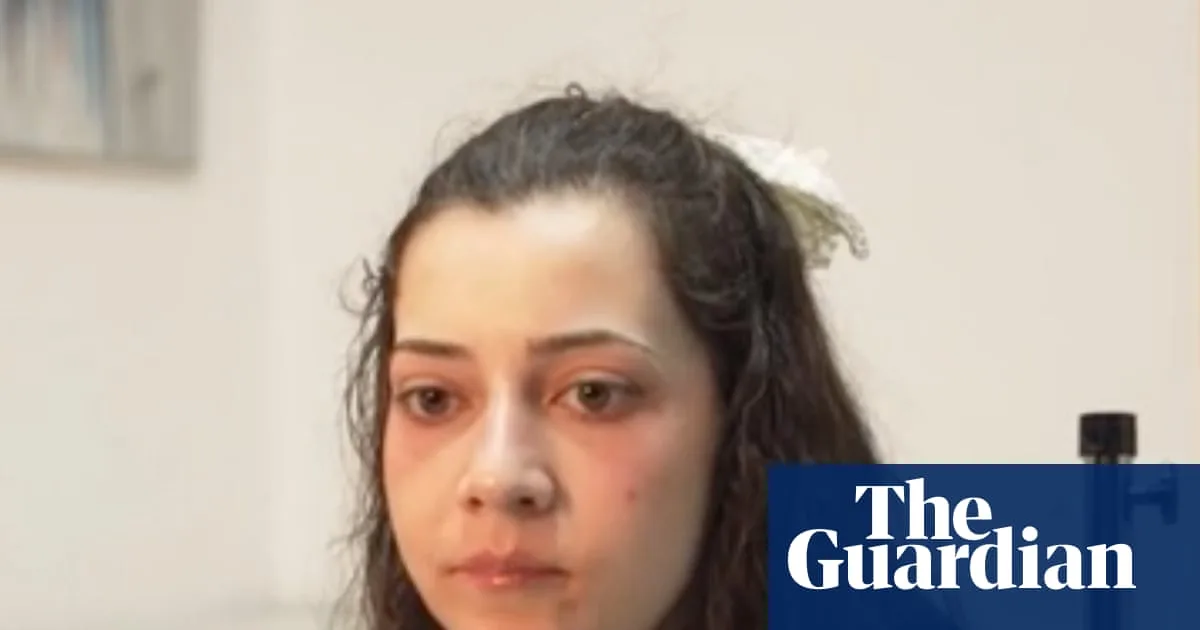
Spain's highest judicial body, the Constitutional Court, has delivered a landmark ruling by rejecting an appeal from the father of a 25-year-old paraplegic woman, thereby affirming her legal right to access euthanasia. The court announced its decision on Friday, allowing the woman to proceed with her wish to end her life, a move that has sparked intense debate across the nation.
Background of Spain's Euthanasia Legislation
Spain legalised euthanasia and assisted suicide in 2021, positioning itself as the fourth European Union country to enact such legislation. The law specifically permits individuals suffering from incurable or severely debilitating conditions to choose assisted dying. Government statistics reveal that in 2024 alone, 426 people received assistance in dying under this framework, highlighting its growing implementation.
The Case Details and Medical Context
According to legal documents, the woman at the centre of this case has a history of psychiatric illness and made multiple suicide attempts by overdosing on medication. In October 2022, she jumped from a fifth-floor window, an act that resulted in paraplegia and chronic, incapacitating pain. Medical reports confirm that her pain is severe, chronic, and without any possibility of improvement, meeting the criteria under Spanish law.
In July 2024, a specialised expert committee in Catalonia approved her request for euthanasia, scheduling the procedure for August 2, 2024. However, her father has consistently blocked it since then, leading to a protracted legal battle.
Father's Appeal and Legal Arguments
The father, supported by the ultra-conservative advocacy group Abogados Cristianos ("Christian Lawyers"), argued that his daughter's mental illness could impair her ability to make a free and informed decision about ending her life. He contended that this potential impairment violated her fundamental rights, but several lower courts had previously backed her case.
On Friday, the Constitutional Court ruled definitively that there had been no violation of fundamental rights, emphasising the woman's autonomy under the euthanasia law. This decision underscores the court's commitment to upholding individual choice in end-of-life matters.
Broader Social and Political Implications
While Spain broadly supports the right to assisted dying, the euthanasia law faced years of fierce opposition from conservative parties and the Catholic Church, which has historically influenced public attitudes on such issues. This case exemplifies the ongoing tension between progressive legislation and traditional values in Spanish society.
Following the ruling, Abogados Cristianos announced plans to take the case to the European Court of Human Rights. Polonia Castellanos, the group's head, stated in a declaration, "We will not abandon these parents. We will continue to fight to the end to defend their right to save their daughter's life." This indicates that the legal and ethical debates surrounding euthanasia are far from over, with potential implications for future cases across Europe.