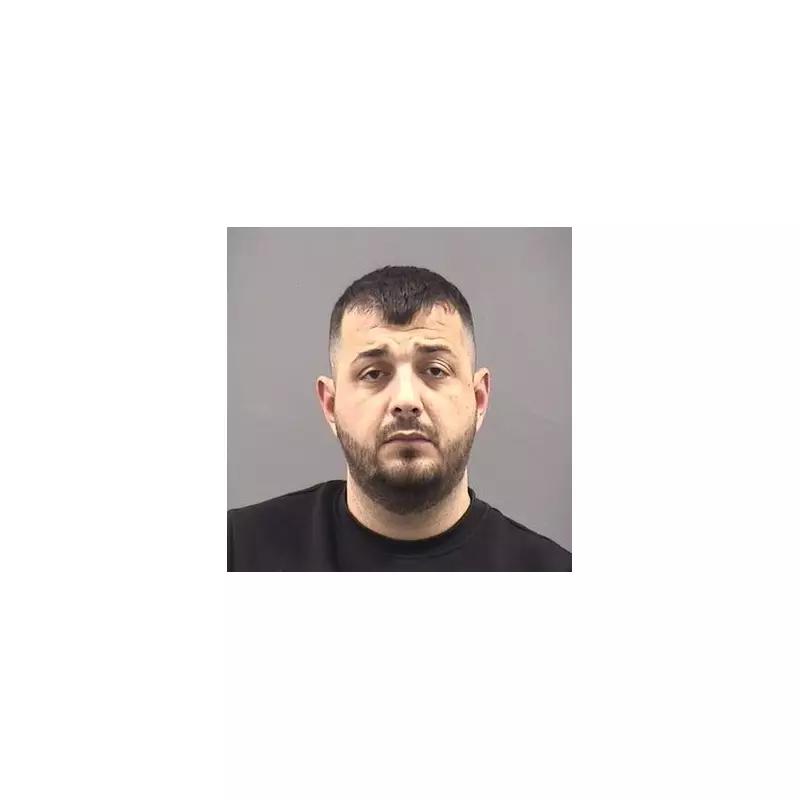
A Southampton man has been sentenced to ten years in prison after pleading guilty to serious offences involving both people smuggling and drug trafficking. Ibrahim Sollaku, aged 33 and from Priory Road in Southampton, admitted to conspiracy to assist unlawful immigration into the United Kingdom and possession with intent to supply class A drugs, specifically cocaine.
Details of the Criminal Operation
The case, which concluded in December 2025, centred on Sollaku's attempt to smuggle five individuals into the UK concealed in the back of a lorry. This dangerous method of illegal entry highlights the ongoing challenges faced by authorities in combating organised immigration crime. Sollaku was arrested in Bournemouth on November 5, 2025, following an investigation by officers from the South West Regional Organised Crime Unit (SWROCU).
Sentencing and Police Commentary
At sentencing, Sollaku received a substantial custodial term of ten years, reflecting the severity of his dual criminal enterprises. Detective Chief Inspector Adam Smith from the South West Regional Organised Crime Unit provided a stark assessment of the defendant's activities.

"Sollaku is clearly a well-connected criminal, demonstrated by his involvement in both organised immigration crime and class A drug dealing," DCI Smith stated. "He showed no concern for the significant risk or harm caused by these offences, focusing solely on financial gain."
The detective further explained the broader impact of such crimes, noting that the high fees charged by smugglers often serve to strengthen criminal networks, thereby inflicting further harm on communities. "Criminals like Sollaku seek to make huge profits by facilitating illegal journeys," he added, emphasising the importance of community intelligence in disrupting these operations.
Broader Implications for Law Enforcement
This case underscores the interconnected nature of serious organised crime in the UK, where networks frequently engage in multiple illegal activities to maximise profits. The successful prosecution relied on coordinated efforts by regional crime units, highlighting the ongoing work to target and dismantle such criminal enterprises.
Authorities continue to urge the public to report any suspicious activity, as community information plays a crucial role in identifying suspects and potential victims, ultimately helping to target the sophisticated networks behind these dangerous crimes.