Seattle Child Protection Officials Face Fury Over 'Safe' Ruling for Boy in Rat-Infested Tent
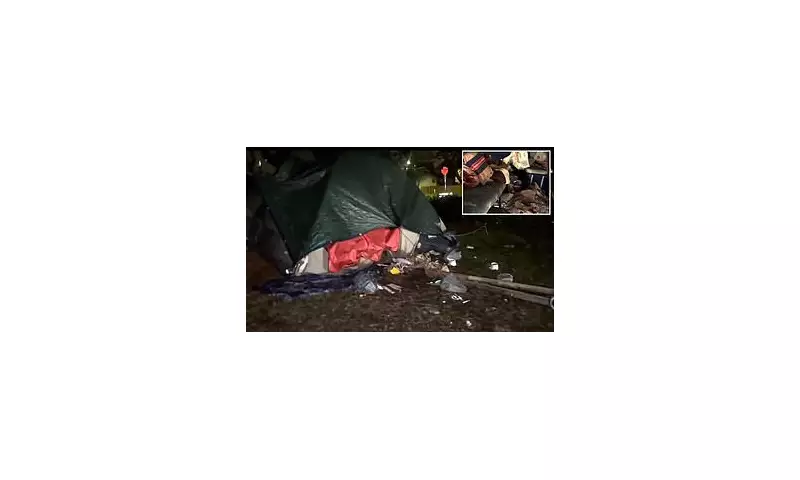
Social workers in Seattle have provoked widespread condemnation after concluding there was 'no imminent danger' for a nine-year-old boy forced to reside in a squalid homeless encampment. The child was living with his mother in a tent on Aurora Avenue, a street notorious for prostitution and drug activity north of the city centre.
Documented Horrors and Official Inaction
Despite multiple visits from Child Protective Services (CPS) and local police, authorities took no protective action until media exposure forced their hand. Officials had documented appalling conditions inside the tent, where fentanyl paraphernalia littered the floor alongside toys covered in rat feces, condoms, and human waste, according to KIRO Newsradio reports.
Incredibly, assessments determined the boy was 'not in imminent danger.' It was only after KIRO Newsradio's investigation that any meaningful intervention occurred to safeguard the child.

Department Secretary Defends Controversial Stance
Tana Senn, Secretary of the Washington State Department of Children, Youth, and Families (DCYF), faced intense questioning from 24 state legislators regarding the case. In a written response, Senn stated: 'Evidence of homelessness and drug use does not automatically constitute a basis for removal of a child.'
She elaborated that her department assesses child safety through a 'global assessment of the family situation,' considering factors like homelessness, drug use, and parental willingness to address unsafe conditions. Senn argued that without active safety threats and if the assessment determines a child can be safely maintained in an encampment with no imminent physical harm risk, DCYF lacks legal authority to intervene.
The Secretary pointed to the Keeping Families Together Act, which permits removal only for 'imminent risk of physical harm,' adding that 'poverty, substance use, homelessness, or exposure to domestic violence perpetrated against someone other than the child does not constitute negligence or maltreatment.' She confirmed DCYF is now working with the boy's family to ensure his safety.
Neighbour Testimony and Media Outrage
Neighbours told KIRO Newsradio the child appeared filthy, was not enrolled in school, and had visible bruises and a severe chest cold. They reported he was frequently left alone for hours while his mother used drugs, or she would return to use substances in front of him.
Seattle radio host Charlie Harger, who reported the case, vehemently rejected the Secretary's explanations. 'Democrats and Republicans voted for [the Keeping Families Together Act]. They wanted to keep families together when safe,' Harger stated. 'They did not vote for this. They didn't vote to leave a child breathing fentanyl smoke in a rat-infested tent as caseworkers shrugged and walked away.'
Harger noted the tent was abandoned hours after his initial December report and advocated for Representative Travis Couture’s House Bill 1092, which would classify hard drug use as grounds for child removal. 'Look at the fentanyl foil, the urine bottles, the rat droppings on those little boys' toys. Now tell me that this child was not in imminent danger,' he challenged officials.
This case has ignited a fierce debate about child protection thresholds, legal frameworks, and departmental accountability in Washington State, highlighting the tragic intersection of homelessness, addiction, and vulnerable childhoods.