Meningitis Outbreak in Kent Claims Lives of Two Students
A tragic meningitis outbreak in Kent has resulted in the deaths of two students, with numerous others receiving hospital treatment. The UK Health Security Agency (UKHSA) is actively investigating the situation, which has prompted widespread concern across educational institutions and local communities.
Deaths and Hospitalisations Confirmed
One of the fatalities was Juliette, a Year 13 pupil at Queen Elizabeth’s Grammar School in Faversham. Her headteacher, Amelia McIlroy, described her as "incredibly kind, thoughtful and intelligent" and a beloved member of the school community. The other death involved a student from the University of Kent. Several individuals have been hospitalised, with some placed in induced comas due to the severity of their condition.
UKHSA Issues Urgent Public Health Advice
The UKHSA reported on Monday evening that 13 cases of meningitis have been notified since March 13, including the two deaths. Authorities are urging anyone who visited Club Chemistry in Canterbury on March 5, 6, or 7 to come forward for precautionary antibiotic treatment. The club's owner estimated that over 2,000 people attended during those dates, making contact tracing a critical priority.
Trish Mannes, UKHSA regional deputy director for the South East, stated: "Our thoughts remain with the friends and family involved and we understand that many people in the university and wider community will be affected by this sad news." She emphasised the importance of preventative measures for those who visited the nightclub.
School Closures and Precautionary Measures
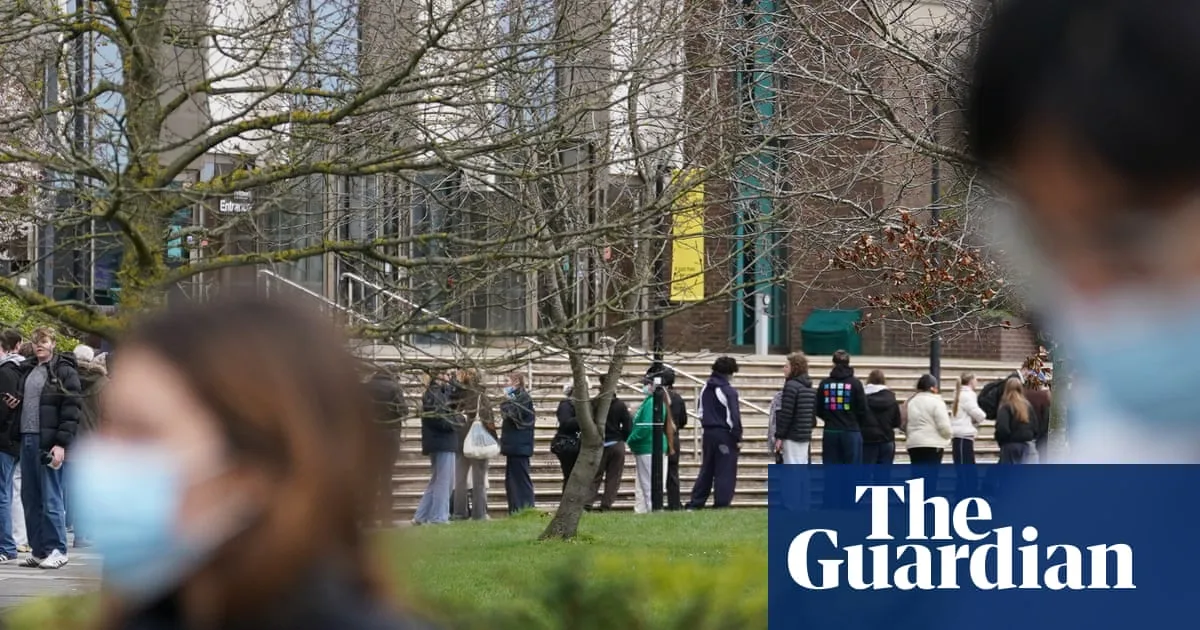
Three schools have confirmed cases of meningitis. Simon Langton Grammar School for Boys has advised that Year 13 students are not permitted to attend in-person lessons. The Norton Knatchbull School in Ashford also confirmed a diagnosis for a Year 13 student who is receiving hospital treatment. At the University of Kent, antibiotics are being offered to 16,000 staff and students, with the institution cancelling in-person assessments and exams for the week.
On campus, students expressed fear and uncertainty as they queued for antibiotics. Matthew McDonagh, 16, shared: "It's quite scary. Like, just like, I can't believe it. It's just insane... We've been told that we don't even know if the pill that they give you is actually going to help us." His brother Luca, 17, added: "It's pretty terrifying."
Community Response and Support
Rosie Duffield, Independent MP for Canterbury, received a briefing from the UKHSA and reassured the public that meningitis typically requires "fairly intimate contact" to spread. She urged calm, stating: "We've all got to be really sensible but we should not panic too much." Her office is available to assist worried constituents.
Louise Jones-Roberts, owner of Club Chemistry, expressed devastation for the affected families and confirmed the club will remain closed indefinitely. She said: "It is not a hard decision to close – we are talking about people's lives." The UKHSA has established multiple locations for antibiotic collection, including Kent and Canterbury Hospital and the University of Kent's Senate building.
Ongoing Investigation and Public Health Guidance
The specific strain of meningitis has not yet been identified, but the UKHSA is working diligently to contain the outbreak. A spokesperson noted that the agency acted immediately upon notification of the cluster on Saturday, with communications to at-risk individuals issued promptly. Meningitis is most common among babies, children, teenagers, and young adults, and can spread rapidly in settings like universities and colleges.
The University of Kent spokesperson acknowledged the "very sad and worrying time" for the community and assured that they are following UKHSA advice closely. As the investigation continues, health officials stress the importance of recognising symptoms and seeking medical attention promptly to prevent further loss of life.