The city of San Diego is poised to approve one of the largest financial settlements in US history related to a police-involved killing. The city attorney's office has agreed to a $30 million payment to the family of 16-year-old Konoa Wilson, who was fatally shot by an officer in January.
A Catastrophic Failure of Policing
A resolution authorising the proposed settlement has been added to the San Diego City Council's agenda for Tuesday morning. The family's attorney, Nick Rowley, described the incident as a "catastrophic failure of policing."
"A 16-year-old boy was running for his life," Rowley stated. "He was not a threat and not a suspect, yet he was shot in the back by a police officer who only saw him for one second before deciding to pull the trigger."

The Events of January 28
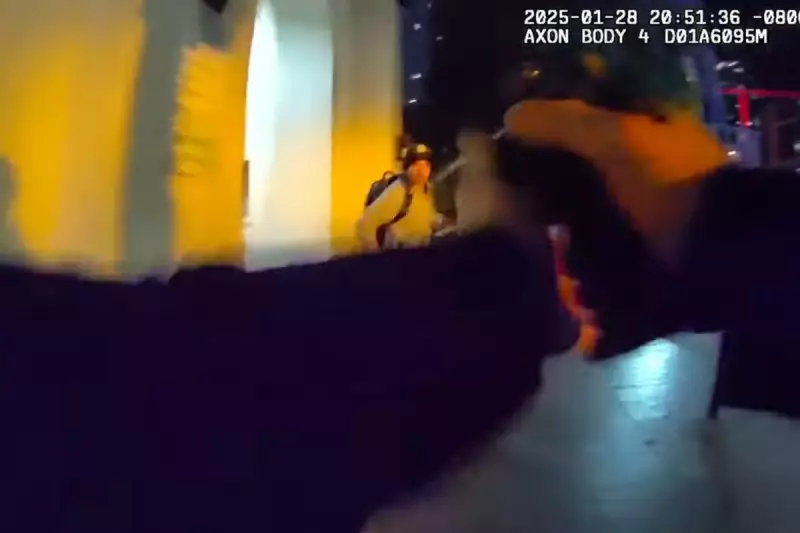
Surveillance and body-worn camera footage from 28 January showed Wilson running from an individual who pulled a gun and fired at him in a downtown train station. As he exited, he encountered San Diego Police Officer Daniel Gold.
A lawsuit filed in June by the family against the city and Officer Gold alleged that the officer "instantly, without any warning," fired two shots at Wilson as he ran by, striking him in the upper body. The suit, which described Wilson as Black, claimed that Gold only identified himself as "San Diego Police" after the teenager had fallen to the ground.
"Defendants committed acts of racial violence against DECEDENT, a teenager, by shooting him in his back as he ran past Defendant GOLD, in an attempt to get to a place of safety," the legal filing stated. Wilson was pronounced dead at UC San Diego Health Medical Centre less than an hour later.
Historic Settlement and National Context
If approved, the $30 million settlement would exceed the $27 million paid by the city of Minneapolis to the family of George Floyd. Floyd's murder in May 2020 ignited a nationwide reckoning on race and policing.
This settlement represents a significant moment for police accountability and underscores ongoing debates about use of force and racial disparities in law enforcement. The funds are slated to be paid from the city's Public Liability Fund, according to an agenda item posted on Friday.
The case continues to raise profound questions about police training, protocol, and the immediate decisions made by officers in high-pressure situations, with the substantial settlement reflecting the gravity of the alleged failures.