Police officers and media representatives have endorsed a significant initiative to "reset" the often strained relationship between law enforcement and journalists, following a period of heightened distrust exacerbated by the handling of the Nicola Bulley disappearance in 2023. This move comes as both sides acknowledge the detrimental impact of poor communication and engagement, which has allowed misinformation and conspiracy theories to proliferate in high-profile cases.
Background of the Distrust
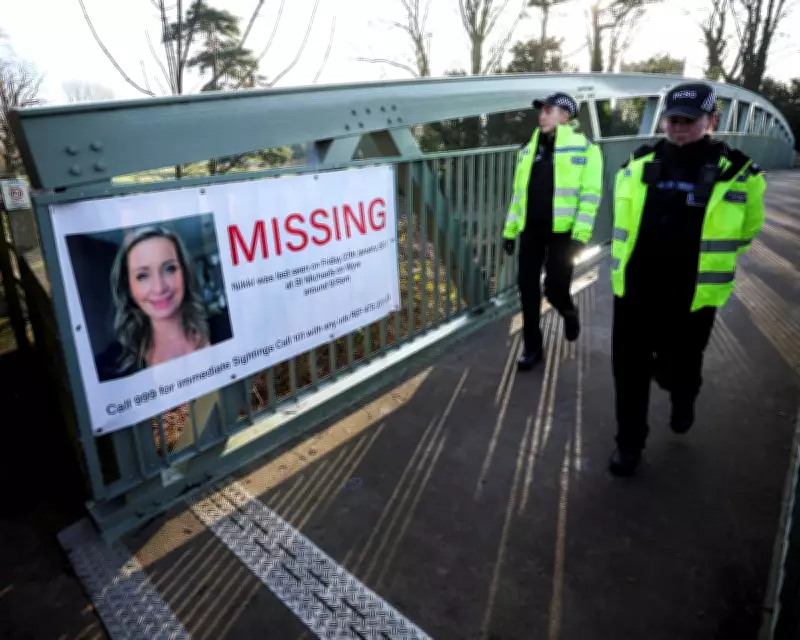
The disappearance of Nicola Bulley in Lancashire sparked global media interest, with thousands of news articles published daily and millions of views on social media platforms like TikTok. However, the case also revealed deep-seated issues in police-media relations. Media outlets criticised Lancashire Constabulary for a lack of access and timely information, which they argue enabled incorrect assertions and unfounded conspiracy theories to gain traction among the public.
Historical Context and Current Challenges
Senior figures from both the police and media sectors trace the roots of this distrust back to the 2011 Leveson inquiry into press ethics, which made many forces reluctant to engage with journalists. In recent years, relations have deteriorated to such an extent that some police forces do not even list a press office phone number on their websites, hindering essential communication. Crime journalists report that this breakdown has compromised the flow of accurate information, leading to speculation that can undermine investigations and public trust.

The Policing and Media Charter
Launched at a Society of Editors conference in London, the "policing and media charter" aims to address these issues by explicitly encouraging engagement between police in England and Wales and the media. The charter states that officers and staff of all ranks and roles should interact with journalists when there is a clear policing purpose, and it commits to fostering regular, meaningful interactions with recognised reporters.
Key Provisions and Goals
Under the charter, all police forces will be required to maintain contactable phone lines for media inquiries and will email press releases of national significance promptly. Investigation updates will be released as soon as possible to curb social media speculation and misinformation. Additionally, police family liaison officers and press officers will assist relatives in speaking directly to the media if they wish, ensuring that victims' voices are heard accurately.
Andy Marsh, the chief executive of the College of Policing, expressed hope that this charter will mark a turning point, saying it represents "a resetting of the relationship between the police and the media." He emphasised the importance of transparency and collaboration in maintaining public confidence and effective law enforcement.
Lessons from the Nicola Bulley Case
An independent investigation into the handling of the Nicola Bulley case highlighted critical communication failures. It found that the police's initial reluctance to brief mainstream media on key information, even on a non-reportable basis, created an information vacuum. This allowed external voices, including conspiracy theorists and unofficial experts, to dominate the narrative. For instance, headlines such as "Underwater expert reveals why 'there's no way' Nicola Bulley has been washed out to sea" and "Nicola Bulley could have just 'walked away' to move on with her life, claims ex-cop" gained widespread attention, despite the police's correct hypothesis that she had fallen into the River Wyre.
Impact on Public Perception
The investigation concluded that the failure to adequately fill the information vacuum led to speculation running unchecked, with alternative narratives driving public perception. This not only complicated the investigation but also eroded trust in both the police and the media. The charter seeks to prevent such scenarios by ensuring timely and accurate information dissemination, thereby supporting a more informed public discourse.

Looking Forward
As police and media embark on this reset, the charter serves as a formal commitment to rebuild trust and improve cooperation. By prioritising clear communication and engagement, both parties aim to enhance the accuracy of crime reporting, support victims and their families, and combat the spread of misinformation in an increasingly digital age. This initiative reflects a broader recognition of the essential role that a healthy police-media relationship plays in upholding justice and public safety.