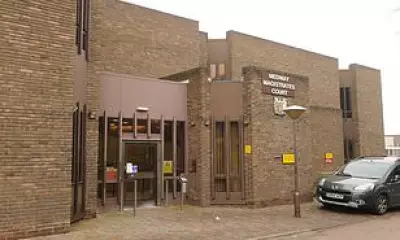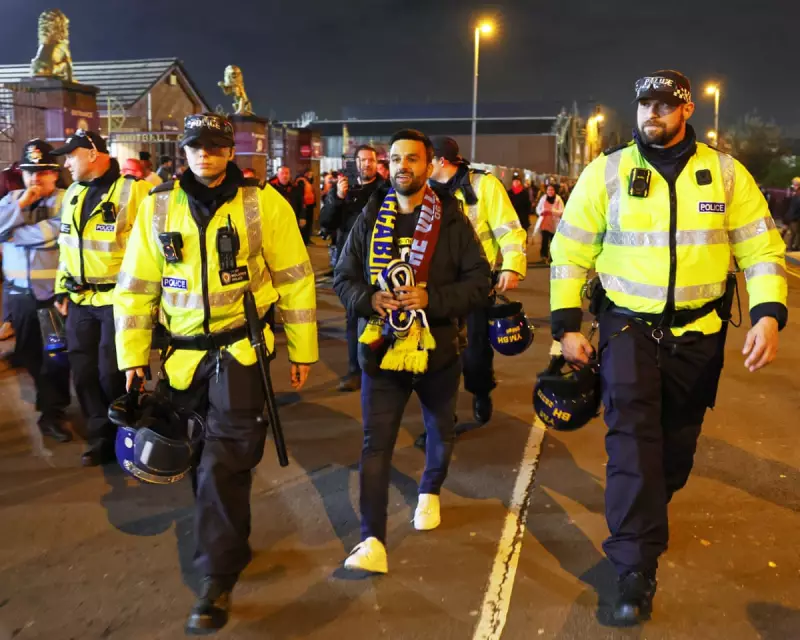
A major policing error in Birmingham has ignited a fierce debate over community relations, trust in the police, and the safety of British Jews and Muslims. The controversy stems from the decision to ban fans of Israeli football club Maccabi Tel Aviv from attending a Europa Conference League match at Aston Villa's Villa Park stadium on 6 November 2025.
A Flawed Case for a Sensitive Ban
West Midlands police had argued that the ban was necessary, citing a violent incident in the Netherlands. They claimed more than 5,000 Dutch police officers were deployed to contain hundreds of Israeli fans who went on a rampage, tearing down Palestinian flags and assaulting Muslim taxi drivers.
However, an independent review led by the chief inspector of constabulary, Andy Cooke, has completely undermined this justification. The review found the police account was "either exaggerated or flat wrong." Dutch authorities told inspectors they deployed 1,200 officers, had reports concerning only one flag and one taxi driver, and that a Maccabi fan was thrown into a canal, seemingly by a pro-Palestinian group.

Worse still, the force's case included references sourced from an unreliable AI tool to a football match that never happened. By publicly downplaying known threats from locals against the visiting fans, the police overstated the threat posed by the Israelis and understated the danger to them.
Global Repercussions and Local Tensions
The fallout has been severe. Home Secretary Shabana Mahmood, the Muslim MP for Birmingham Ladywood, stated that in trying to defuse local tensions over Gaza, the force had "made matters worse." The city is now embroiled in a toxic row over accusations of "two-tier policing."
This has reactivated damaging narratives from the right-wing about police being soft on Muslim communities, and counter-complaints that the opposite is true. Jonathan Hall KC, the independent reviewer of terrorism legislation, pointedly asked why police did not pursue those threatening harm instead of telling potential victims to stay home.
For many British Jews, the episode stirs deep-seated fears of being seen not as a protected minority but as a problem to be managed. The sense of being squeezed from public life is intensified by campaigns to boycott Jewish public figures, like Labour MP Damien Egan, who was reportedly forced to cancel a school visit in Bristol after a threatened protest over his links to Israel.
The Path Forward for a Multicultural Britain
The school has since rescheduled Egan's visit, and a snap Ofsted inspection will probe allegations that staff worked to exclude him. But the core issue remains: how can Britain navigate these flashpoints without undermining the trust essential for a cohesive society?
Frontline professionals, from headteachers to police chiefs, must be able to make difficult judgments based on accurate, impartial advice. The Cooke review has so damaged trust in the West Midlands that it has become a resigning matter.
Ultimately, living together through times of international conflict demands empathy and a willingness to practise the tolerance we preach. It requires recognising that extremists on all sides are desperate to prove the old lie that Muslims and Jews cannot coexist. Learning the lessons from Villa Park is not just about policing—it is about defending the very idea of a successful, if sometimes challenging, multicultural Britain.