Parents' Religious Dispute Over Teen's Burial Delays Funeral for Three Months
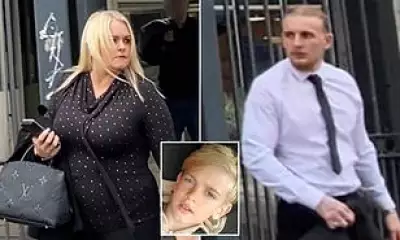
The grieving parents of a 17-year-old boy who tragically took his own life nearly three months ago are now locked in a bitter High Court battle over whether his body should be buried or cremated, stemming from their deeply conflicting religious beliefs. Gabrielle Barbus died on December 30 last year, but his remains have yet to be laid to rest as his father, Stefan Barbus, and mother, Georgia Opritescu, cannot agree on the final arrangements.
Heartbreaking Conflict Rooted in Faith and Nature
Mr Barbus adheres to an orthodox branch of the Christian faith, which holds that his son's soul would be in peril if he is not buried. He passionately argued in court that burial respects the sanctity of the human body and soul, essential for resurrection beliefs, making cremation unacceptable as it destroys the body irreversibly. In contrast, Ms Opritescu, who is not religious, wishes for Gabrielle's body to be cremated and his ashes scattered in the Devon countryside, aiming to return him to the nature he loved.
The dispute escalated when Mr Barbus obtained an injunction last month, preventing Ms Opritescu from taking steps to dispose of Gabrielle's body. The couple, who separated in 2010 and divorced in 2013, have brought their sorrowful disagreement to the High Court in London, where Judge Jonathan Klein is tasked with making a difficult decision.
Court Hears Emotional Testimonies and Family Dynamics
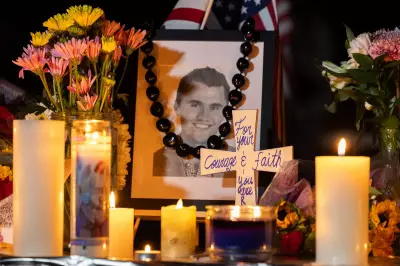
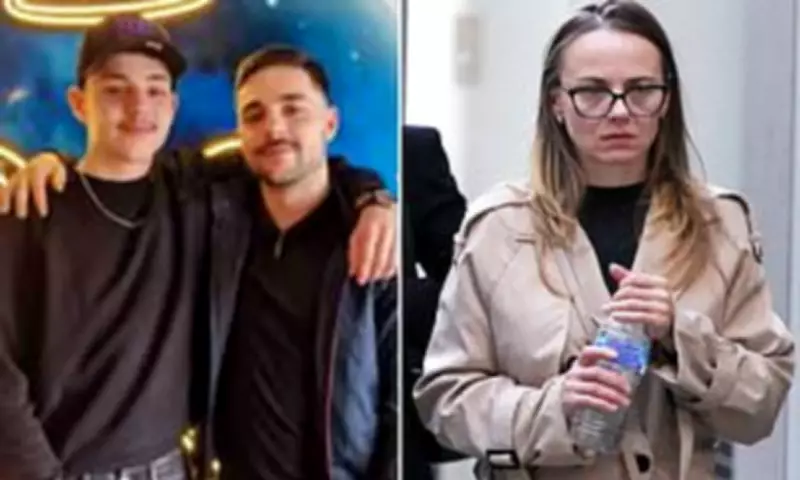
During the hearing, the court learned that Gabrielle, a talented up-and-coming photographer, lived with his mother and her family in Hornchurch, east London. His older brother, Antonio, 23, described him in an online tribute as a bright soul with a gentle smile that warmed people. Despite being raised by his mother, Mr Barbus remained involved in his son's life, and his lawyer, James Poole, emphasized that the untimely death has been devastating for all family members.
Mr Barbus testified that Gabrielle was baptised Christian orthodox and maintained faith in God, never expressing opposition to their religion. However, Ms Opritescu countered that Gabrielle did not grow up in a religious household and would not want to be confined by the ground. Her barrister, Tom Alkin, cited a conversation when Gabrielle was 11, where he reportedly agreed that cremation was a healthier way to say goodbye to a loved one.
Brother Supports Mother's Wish for Freedom
Antonio backed his mother in court, stating that a grave would feel like a place of confinement imposed by his father, whereas scattering ashes would allow Gabrielle to be free and part of the natural world he cherished. The judge acknowledged the heartfelt feelings on both sides, noting that any decision will cause distress to one parent, and emphasized the importance of considering how the remaining family members feel.
In summing up, Judge Klein reserved his decision for a later date, reflecting on the evidence in what he described as a very difficult case. The outcome will determine whether Gabrielle is buried or cremated, and if cremated, what happens to his ashes—whether interred or scattered.
Broader Implications and Mental Health Awareness
This legal battle highlights the complex intersections of religion, family dynamics, and grief in funeral arrangements. It also underscores the ongoing struggles with mental health, as Gabrielle's family has spoken openly about his silent battles to break the stigma. In an online memorial, Antonio urged for more conversations around suicide prevention, stressing that no one should have to carry such pain alone.
As the court deliberates, the family continues to mourn, hoping for a resolution that honors Gabrielle's memory while navigating their profound differences.