Inquiry Exposes Prior Terror Attack by Nottingham Triple Killer
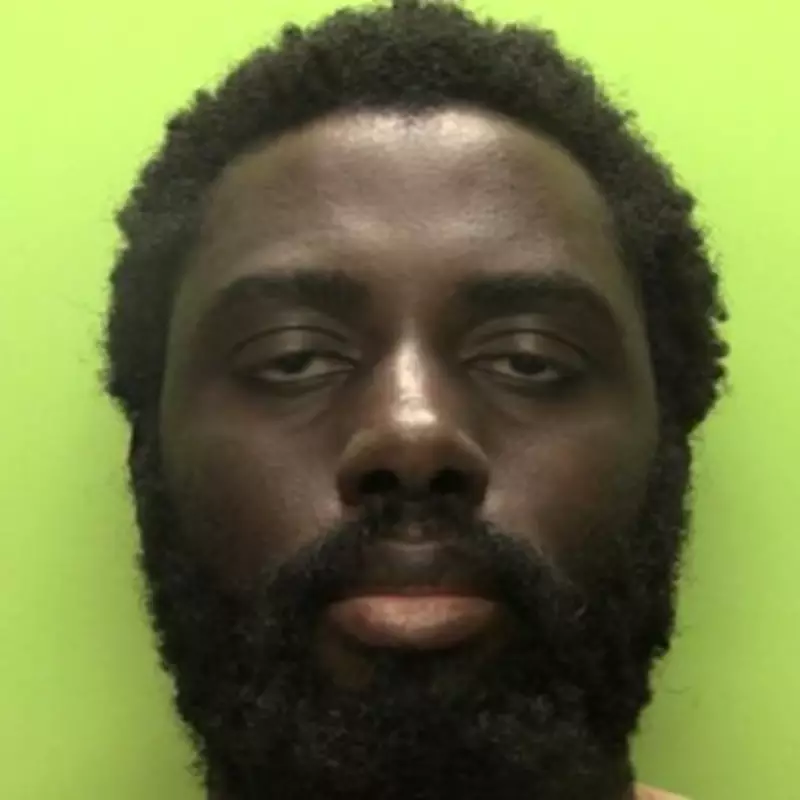
A public inquiry has revealed that Valdo Calocane, the paranoid schizophrenic who murdered three people in Nottingham, forced a terrified woman to jump from a first-floor window three years before his deadly rampage. The incident left the victim with serious spinal injuries, yet mental health professionals decided against detaining Calocane at the time.
Missed Opportunities and Systemic Failures
The inquiry, which began today and is chaired by retired senior judge Deborah Taylor, is examining Calocane's interactions with mental health services leading up to the June 2023 attacks. Counsel to the Inquiry, Rachel Langdale KC, detailed how in 2020, after Calocane attempted to force his way into a woman's home, professionals considered detaining him but ultimately released him into the community. This decision was influenced by concerns over the "over-representation" of young black men in detention.
Calocane's mother had begged for her son to be hospitalised, warning that "he is a risk to others in his current mental state." A subsequent mental health assessment described him as "perplexed, very distracted, and appearing to be psychotic," with a diagnosis of first-episode psychosis due to sleep deprivation and stress. Despite recommendations for detention under Section 2 of the Mental Health Act, he was not admitted.

The Nottingham Attacks and Aftermath
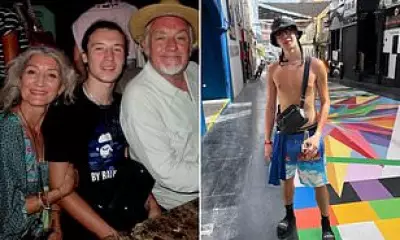
In June 2023, Calocane stabbed 19-year-old students Grace O'Malley-Kumar and Barnaby Webber, and 65-year-old caretaker Ian Coates to death in Nottingham. He also used Coates' van to ram three pedestrians, injuring Sharon Miller, Marcin Gawronski, and Wayne Birkett. Calocane pleaded guilty to manslaughter by diminished responsibility and attempted murder, receiving an indefinite hospital order in January 2024—a sentence criticised by the victims' families as a miscarriage of justice.
The inquiry, expected to last two years and hear from over 100 witnesses, will scrutinise prosecutors, police, and medical professionals. It aims to address concerns about the adequacy of responses, including police handling after the attacks and the Crown Prosecution Service's decisions. Key questions include the procedures for assessing Calocane's fitness for interview, toxicology strategies, and communications with affected families.
Families' Pursuit of Truth and Accountability
In a statement, the families of the victims described the inquiry as a "critical turning point" in their quest for truth and justice. They expressed frustration over "failure and silence" and emphasised the need to hold accountable those who neglected their duties. The families seek to expose systemic neglect by mental health services, law enforcement, and judicial bodies, challenging the legal framework that allowed Calocane to receive a hospital order rather than a murder conviction.
"We want to challenge the legal framework and decision making which we feel led to an enormous miscarriage of justice that could see the killer of our loved ones released in as little as a few years," the families stated. The inquiry's report, with recommendations, is due by May 2027, as proceedings continue to unfold.