Nigeria Night Attack: Gunmen Kill 20 in Plateau State, 48-Hour Curfew Imposed
In a horrific night attack in Nigeria's north-central region, gunmen have killed at least 20 people, according to residents and authorities. The assault occurred on Sunday night in the Gari Ya Waye community within the Jos North area of Plateau state, as confirmed by Joyce Lohya Ramnap, the state commissioner for information.
Details of the Deadly Assault
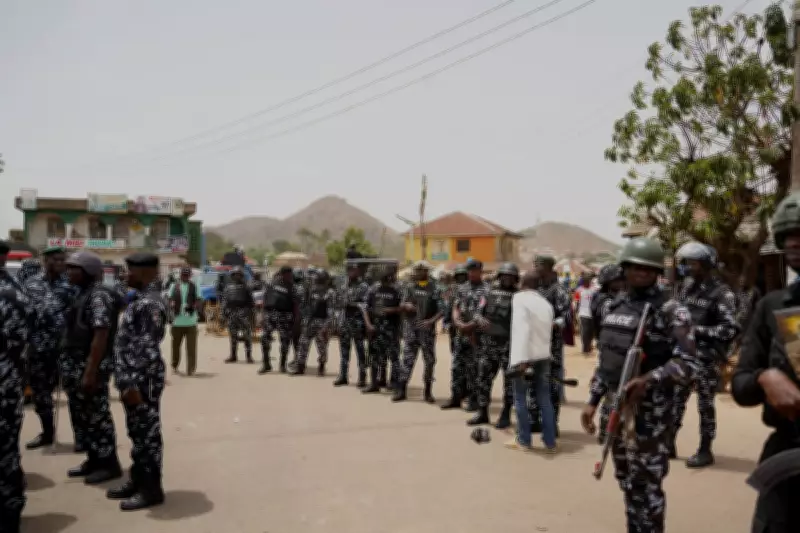
Ramnap issued a statement acknowledging "loss of lives" and injuries but did not provide specific casualty figures. In response to the violence, the state government has implemented a strict 48-hour curfew aimed at preventing further attacks and restoring order. No group has yet claimed responsibility for this brutal incident.
Local residents described a chaotic scene to The Associated Press, reporting that numerous gunmen on motorcycles entered the community and began shooting sporadically. Ibukun Falodun, a resident of the area, confirmed that 20 people had been confirmed dead following the attack.

Broader Context of Regional Violence
This attack forms part of a persistent cycle of violence plaguing Plateau State and surrounding regions in north-central Nigeria. The area has long been troubled by disputes over land and grazing rights between predominantly Muslim Fulani herders and largely Christian farming communities, which frequently escalate into deadly confrontations. Additionally, criminal gangs operate actively in these regions, further complicating security challenges.
The violence in Plateau State mirrors similar security crises elsewhere in Nigeria. Earlier this month, armed militants ambushed Nigerian security forces responding to a distress call in the northwestern state of Kebbi. That attack resulted in the fatal shooting of nine soldiers, one police officer, and a resident, according to authorities.
Recent Attack in Kebbi State
Yahaya Sarki, a spokesman for the Kebbi state government, detailed that militants targeted security forces in the Shanga council area late Tuesday as they were being deployed to respond to warnings about a pending attack. Several soldiers were also injured during the assault in the village of Giron Masa. Sarki shared photographs showing burned vehicles along a dusty road surrounded by forests, illustrating the severity of the incident.
Kebbi Governor Nasir Idris visited injured soldiers at the hospital and expressed profound grief over the losses. He pledged that the state government would "do everything to assist the families" of those who lost their lives. This attack represents the latest in a series of violent incidents in Nigeria's conflict-battered regions, where armed groups frequently target both security forces and remote communities with limited state presence.
Security Challenges and Suspected Groups
No group has immediately claimed responsibility for the Tuesday attack in Kebbi. However, some residents suspect the involvement of the Islamic State Sahel Province (ISSP), known locally as Lakurawa. This group has recently become more lethal in states like Kebbi and Sokoto, particularly along the porous border with the Niger Republic, exacerbating regional security concerns.
The Nigerian government faces mounting challenges in addressing these security crises, as attacks continue to claim lives and disrupt communities across multiple states. The imposition of curfews and deployment of security forces highlight ongoing efforts to contain the violence, but underlying tensions and the presence of armed groups persist as significant obstacles to lasting peace.