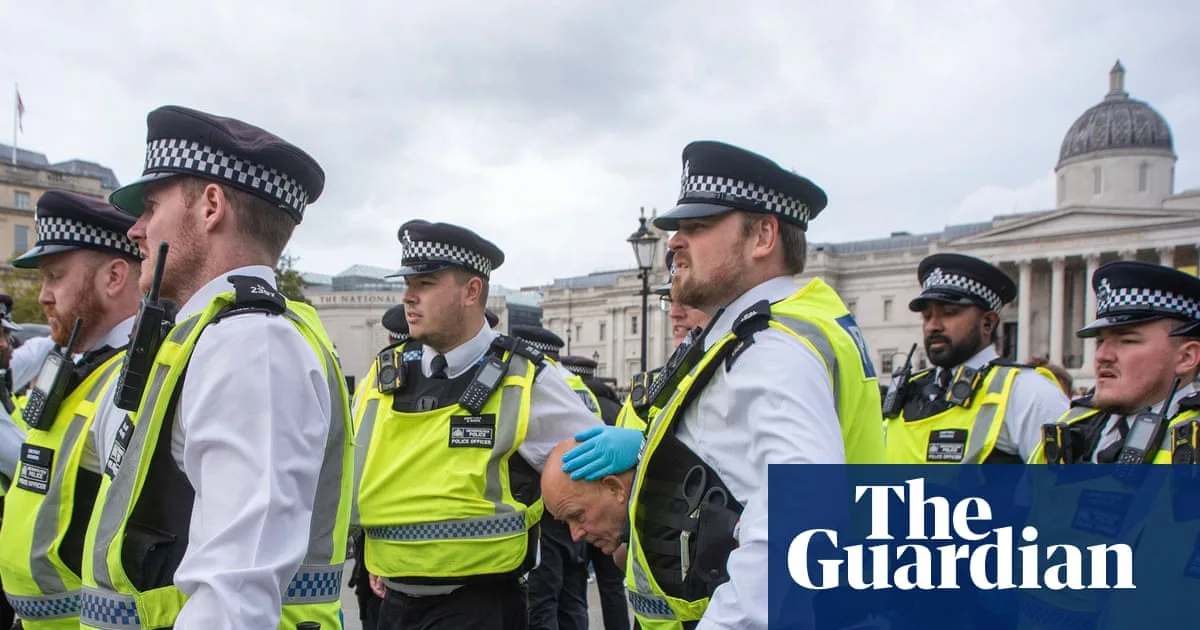
The home secretary, Shabana Mahmood, has announced new powers for police in England and Wales to impose tougher conditions on protests by considering their 'cumulative impact'. The move follows repeated large-scale demonstrations over Gaza, which Mahmood said had caused 'considerable fear' for the Jewish community after a fatal terror attack on a synagogue last week.
Under the changes, police will be able to take into account the frequency and location of previous similar protests when setting conditions on static protests or marches. This could include instructing organisers to hold events elsewhere, limiting numbers, or setting time limits. The measures amend sections 12 and 14 of the Public Order Act 1986, with breaches carrying up to six months in jail or an unlimited fine.
Civil liberty groups have expressed concern. Labour peer Shami Chakrabarti warned that the government should pause before passing 'draconian powers' that could be used by a future Nigel Farage-led government. Two Labour MPs also voiced concerns, with one telling the Guardian: 'We must not fall into the trap of making rushed laws which can be used in future to stop justifiable protests.'

The pressure group Defend Our Juries, which supports Palestine Action, promised a 'major escalation' of demonstrations over 10 days in November, calling the home secretary's announcement an 'extraordinary new affront to our democracy'. The Liberal Democrats warned the plans would waste police time while letting off those inciting violence.
Mahmood said she believed there was 'a gap in the law' that required action, and denied the move was about banning protest, stating it would allow police to 'take cumulative disruption into account'. The plans could face legal challenges, as similar moves by the former Conservative home secretary Suella Braverman were struck down by the Court of Appeal in June.