MPs Demand Urgent Grooming Gang Probe in London Amid Child Exploitation Fears
A coalition of eight Conservative MPs and three London Assembly members has issued a forceful letter demanding immediate government action to investigate grooming gangs operating in London. The call comes amid mounting evidence that vulnerable girls, some as young as 14, have been systematically raped and coerced into sex work by organised criminal networks in the capital.
Systemic Failures and Political Criticism
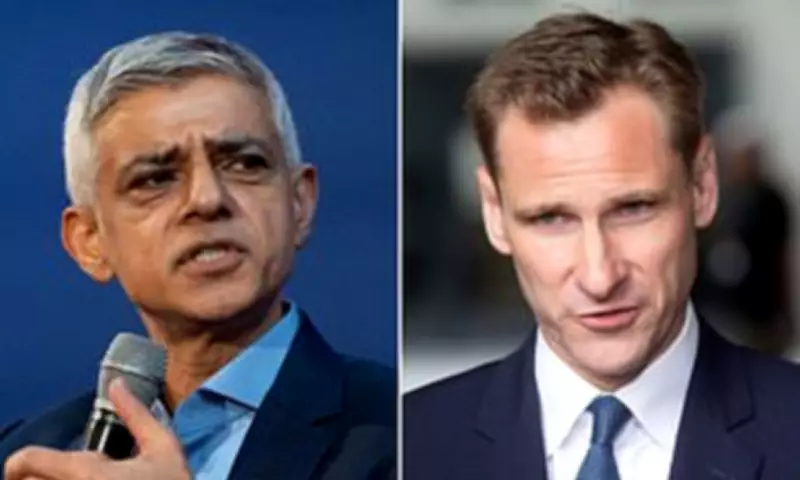
The signatories, including Shadow Home Secretary Chris Philp and former Conservative leader Sir Iain Duncan Smith, have condemned what they describe as "the failings of the authorities in London to tackle the grooming gangs we have seen operating all over the country." The letter specifically targets London Mayor Sir Sadiq Khan for his previous insistence that there were "no reports and no indication" of Rochdale- or Rotherham-style grooming gangs existing in London.
This stance has drawn sharp criticism following recent BBC investigations revealing harrowing accounts from survivors. One victim described being raped by multiple men as payment for unpaid drug debts, while others detailed being groomed for sexual exploitation by controlling gangs.

Contradictory Statements and Growing Evidence
While Sir Sadiq told the London Assembly in June 2023 there was "no indication of grooming gangs" operating in the capital, Metropolitan Police Commissioner Sir Mark Rowley presented a different picture to MPs last November. He confirmed officers were working on "tens" of active cases and revealed the force was reviewing 9,000 reported child sexual exploitation cases closed between January 2010 and March 2023.
Sir Mark estimated "two to three thousand" of these cases would be identified as group-based offending, though this category includes various forms of abuse beyond grooming gang activity. The commissioner's October 2023 statement to the London Assembly suggested a "very significant" number of multi-offender cases required reinvestigation.
Historical Patterns and Institutional Hesitation
Evidence from Her Majesty's Inspectorate of Constabulary and Fire and Rescue Services reports spanning 2016 to 2025 reveals a disturbing pattern:
- Six potential victims identified, including girls as young as 13
- A 15-year-old girl missing for four days before being found with a 21-year-old man, reporting rape by "numerous men"
- A 13-year-old girl at high risk with two suspected exploiters identified
- A 17-year-old reporting multiple rapes after being plied with alcohol
- A 16-year-old describing three years of repeated rape with threats to her family
Baroness Casey's 2023 report highlighted institutional reluctance to address "ethnicity or cultural factors" in grooming gang cases "for fear of appearing racist." This finding prompted Prime Minister Sir Keir Starmer to establish a national inquiry, chaired by former children's commissioner Baroness Anne Longfield.
Police Response and Mayoral Initiatives
The Metropolitan Police receives approximately 2,000 annual reports concerning child criminal and sexual exploitation. Detective Sergeant John Knox, head of the Met's Child Exploitation Team, described girls within gang structures as the "lowest rung" who "cannot say no to sex."
A police spokesperson stated: "We have always recognised the scale and seriousness of group‑based child sexual exploitation offending in London." The force has trained over 11,000 frontline officers and expanded safeguarding teams, resulting in three times more cases solved last year and 134 additional suspects charged.
Mayor Khan's office has since clarified: "The Mayor has repeatedly said on record that there are grooming gangs in London." Initiatives include:

- A £2.4 million support package for victims and survivors
- A £15.6 million Violence and Exploitation Support Service
- £233 million invested in tackling violence against women and girls
- GPS tagging schemes for male perpetrators
A Home Office spokesperson acknowledged: "Sexual and criminal abuse of children by gangs, wherever they occur, are among the most horrific crimes imaginable." The national inquiry will determine which local areas require examination.
The controversy highlights ongoing tensions between political assurances and operational realities in combating organised child exploitation, with victims' advocates demanding greater transparency and accountability from all authorities involved.