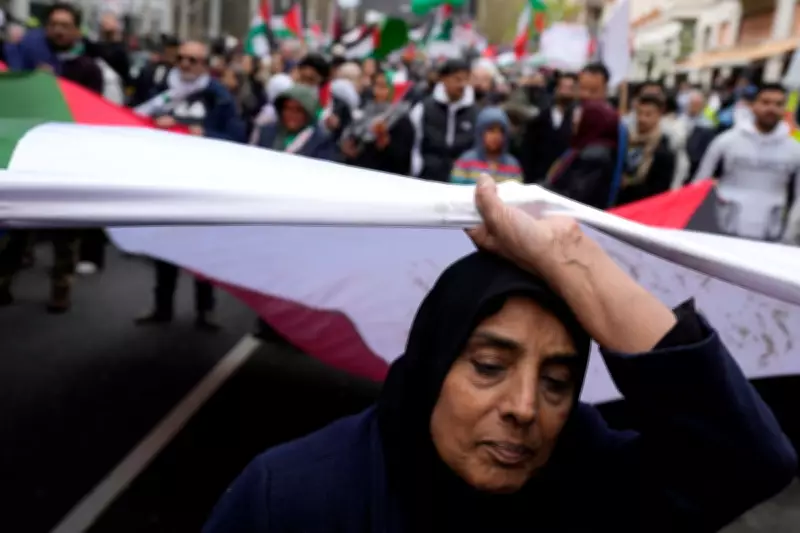
The Metropolitan Police has unveiled a novel strategy to maintain public order during the upcoming Al Quds demonstrations in London, marking the first time the River Thames will be utilised as a physical barrier to segregate opposing groups. This innovative approach, described as a "new, bespoke tactic," involves deploying marine units alongside more than 1,000 officers to ensure protesters and counter-protesters remain on opposite banks of the river, significantly reducing the potential for violent clashes.
Strategic Separation Along the Thames
Under the strict conditions set by the police, Al Quds demonstrators will be confined to the south side of the River Thames on Albert Embankment, while counter-protesters will be restricted to the north side near Millbank. All events are scheduled to take place between 1pm and 3pm on Sunday, with the river acting as a natural divide to prevent direct confrontation. This measure follows the successful police application to ban the annual Al Quds Day march, though static demonstrations have been permitted under tight supervision.
Police Confidence in Reducing Disorder
Deputy Assistant Commissioner Ade Adelekan emphasised that while the police cannot entirely eliminate the risk of disorder, the river separation is expected to dramatically mitigate it. He stated, "Our primary goal is to ensure the safety of all participants and the general public. By using the Thames as a barrier, we are implementing a proactive measure to de-escalate tensions and maintain peace during these sensitive events."

Home Secretary's Approval and Public Reaction
The decision to ban the march was approved by Home Secretary Shabana Mahmood, sparking mixed reactions from various groups. The Islamic Human Rights Commission criticised the move, arguing it infringes on freedom of expression, while the Community Security Trust welcomed it as a necessary step to prevent potential violence and protect community safety. This division highlights the ongoing challenges in balancing security concerns with civil liberties in high-profile protest scenarios.
Comprehensive Policing Efforts
In addition to the river barrier, the Metropolitan Police will implement extensive surveillance and crowd control measures, including increased patrols and communication with event organisers. The deployment of marine units adds an extra layer of security, allowing for rapid response capabilities along the waterfront. This comprehensive plan reflects lessons learned from previous protests and aims to set a precedent for managing large-scale demonstrations in urban environments.
As London prepares for the weekend, authorities remain vigilant, urging all participants to adhere to the designated areas and timeframes to ensure a peaceful outcome. The success of this tactic could influence future policing strategies for similar events across the UK.