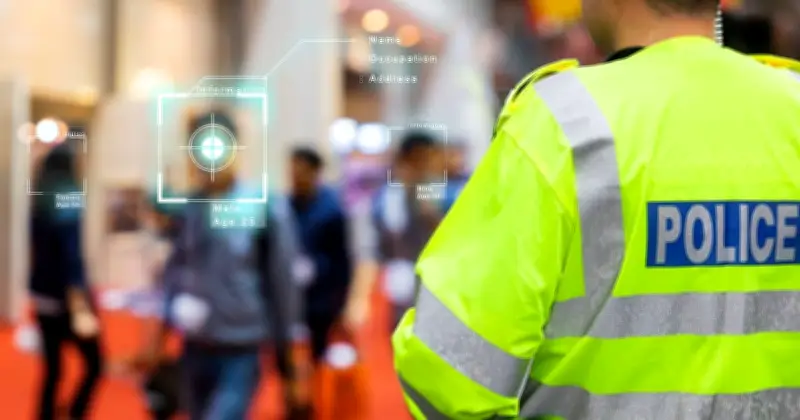
Metropolitan Police Commissioner Sir Mark Rowley has come under fire for his ambitious plans to expand the use of drones, artificial intelligence, and facial recognition technology across London, with critics branding the move as 'Big Brother' policing. The force is set to deploy drones in response to some 999 calls as part of a major technological overhaul aimed at modernising crime-fighting in the 21st century.
City-Wide Drone Network and Facial Recognition Expansion
Sir Mark outlined plans to transform an existing pilot programme into a 'city-wide drone network', which would allow officers to send drones directly to incidents, providing live aerial footage, tracking suspects, and supplying critical intelligence before officers arrive on the scene. He argued that drones are quicker, quieter, cheaper, and more environmentally friendly than police helicopters, while delivering the same operational results.
This week, the force also announced the expansion of its use of static live facial recognition cameras to cover crime hotspots in the West End and Soho. The technology has already been deployed in other parts of London, but its wider use has sparked concerns about privacy and civil liberties.

Backlash from Police Federation and Campaign Groups
Paula Dodds, Chair of the Metropolitan Police Federation, which represents rank-and-file officers, reacted with fury to Sir Mark's claims that there has been too much focus on staff numbers at the expense of technology. She said: 'Police officers across London today will be fighting crime, confronting armed and very dangerous criminals and tackling, deterring and detecting those who would do us all serious harm. Eighteen Metropolitan Police officers will be assaulted on duty today. These very same officers will be disgusted to hear that the Metropolitan Police Commissioner thinks there are too many of them and that they are paid too much.'
Ms Dodds highlighted that police officer pay is now around 20% behind inflation, and that it is 'outrageous' for Sir Mark, who earns nearly £300,000 a year, to suggest that their pay had been protected at the expense of technology. She added: 'Tell that to officers who are struggling to pay the bills. Or the 15% of officers who report missing meals due to lack of money. Or the one in three officers thinking of leaving because of their poor pay.'
She emphasised: 'Technology has its place in policing. But it must never replace the courageous police officers out there on the streets carrying out their difficult and dangerous role.'
Civil Liberties Concerns
Jake Hurfurt from Big Brother Watch warned that while drones may have a role in providing quicker updates to evolving emergencies, the Met 'must not use them as constant flying surveillance cameras'. He said the force had 'point-blank refused to disclose to the public any documents outlining how, why or when it uses these drones. It is alarming that potentially intrusive surveillance is being rolled out with such little scrutiny.'
Human rights organisation Liberty also called on the force to pause its use of live facial recognition technology until a legal framework is put in place to govern its use.
Sir Mark's Defence: Technology Essential for Modern Policing
Sir Mark defended the expansion, arguing that policing must keep pace with technological advances. He said: 'Policing by consent is key to the British policing model and is something we must treasure. However, when it comes to new technologies, as we saw with Live Facial Recognition, some campaign groups call for new legislation and restrictions every time a new capability emerges. While that comes from a legitimate place, it risks slowing progress to the point where policing cannot keep pace with the threats we face.'
He also noted that his force has been left with a budget of around £6,000 per head to spend on technology, while other public bodies can spend around £13,000. He called for greater freedom to use new technologies without waiting for new laws to catch up, and for forces to focus their spending on technology rather than officer recruitment.

Union Rebuttal: 'You Can't Throw Laptops at Crowds'
Ms Dodds rebutted Sir Mark's claims, saying: 'The current focus on funding for technology has gone too far. We need funding – and proper funding – for police officers who can keep us all safe 24/7.' She reminded everyone of a previous Commissioner's words: 'You can't throw laptops at crowds.'
The Metropolitan Police Federation Chair concluded: 'We will be making these points clear to senior officers and politicians of all parties.'