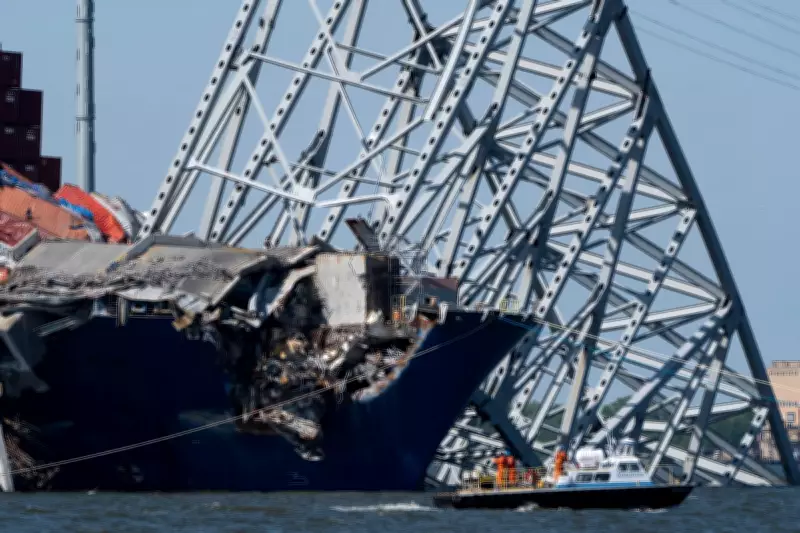
Maryland state officials have announced a significant settlement with the owner and operator of the massive cargo vessel that crashed into a Baltimore bridge two years ago, leading to its catastrophic and deadly collapse. The agreement was disclosed on Thursday, marking a pivotal moment in the ongoing legal aftermath of the disaster.
Details of the Settlement Agreement
The settlement in principle has been reached with Grace Ocean Private Limited and Synergy Marine Pte Ltd, which are respectively the owner and operator of the M/V Dali, according to Attorney General Anthony Brown. This resolution addresses a portion of the state's claims stemming from the ship's collision with the Francis Scott Key Bridge on March 26, 2024.
"For two years, Maryland workers, families, and communities have carried the weight of a disaster that should never have happened," Brown stated in a news release. He emphasized that the Dali's impact "disrupted the Port of Baltimore, devastated livelihoods, and sent economic shockwaves across our State that are still being felt today."

While specific financial terms of the settlement were not disclosed, Brown noted that "our work is not finished, but this settlement is an important step toward making Maryland whole." A spokesperson for the ship's owner and manager did not immediately respond to requests for comment on the announcement.
Background and Impact of the Bridge Collapse
The incident occurred when the M/V Dali was departing Baltimore for Sri Lanka and experienced a power loss that led to steering failure. The subsequent crash caused the bridge to collapse, resulting in the tragic deaths of six road crew members who were filling potholes during an overnight shift. These workers fell to their deaths when the structure gave way.
The collapse had severe and far-reaching consequences. It brought shipping at the Port of Baltimore to a complete standstill, disrupted the livelihoods of thousands of workers, rerouted traffic through already burdened communities, and triggered economic ripple effects that continue to resonate across Maryland. The Francis Scott Key Bridge, a 1.6-mile steel span that opened in 1977 after five years of construction, was a critical transportation artery that allowed drivers to bypass downtown Baltimore and was particularly vital for port operations.
Ongoing Legal and Financial Implications
In September 2024, the state filed claims in federal court in Maryland, alleging that the disaster resulted from negligence, mismanagement, and the reckless operation of an unseaworthy vessel that should never have left port. The state sought damages for the destruction of the bridge, harm to the Patapsco River and surrounding environment, lost revenues, and the extensive economic losses suffered by Maryland and its residents.
It is important to note that this settlement does not resolve any potential claims the state may have against the shipbuilder, Hyundai, as clarified by the attorney general's office. Additionally, the Maryland Transportation Authority estimated late last year that the cost of constructing a new bridge alone would range between $4.3 billion and $5.2 billion, with an anticipated opening to traffic by late 2030.
The settlement represents a crucial development in addressing the aftermath of this devastating event, though many challenges and legal proceedings remain as Maryland continues to seek full accountability and recovery from the bridge collapse.