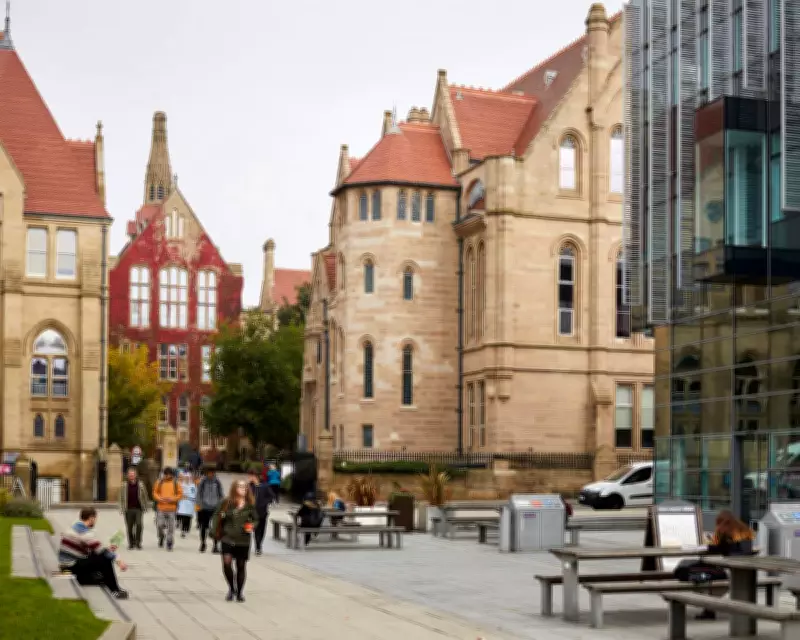
The University of Manchester has launched an investigation following complaints from approximately 20 female medical students who reported receiving anonymous late-night phone calls involving sexual harassment and intimidation. The calls, which have persisted for at least three years, reportedly involve male callers who subject the students to sexually explicit comments, threats, and gender-based slurs.
Student Accounts of Harassment
Charlotte Buttercase, a final-year medical student and one of those targeted, described her own experience: on 16 April, she received a call at 2am from an anonymous number. During the two-minute interaction, she was subjected to sexually harassing comments while hearing one man speaking and three others laughing in the background. She stated, 'Given I was alone in a dark room at 2am, I felt incredibly intimidated, demeaned and belittled by this event.'
After speaking with fellow students, Buttercase discovered that 16 calls had been made within a 22-minute period that night, and she was the fifth woman contacted. Other students have since come forward with similar stories of harassment, both in person and via phone calls.

Open Letter to Vice-Chancellor
Buttercase has written an open letter to Vice-Chancellor Duncan Ivison, calling for a formal review of what she describes as a 'pervasive culture of sexual harassment' within the School of Medical Sciences. She wrote, 'If one less young woman feels unsafe in her own home, feels less alone in experiencing these attempts to intimidate and belittle her, then we have succeeded.'
Broader Context of Sexual Harassment in Higher Education
Statistics indicate that one in three female students experience sexual harassment during their time at university. A recent survey by the Office for Students found that students at England's leading universities are more than twice as likely to face sexual harassment compared to those at lower-tariff institutions. The research also identified hotspots of sexual harassment and assault, particularly in courses requiring high entry grades such as medicine, dentistry, veterinary sciences, and languages.
Response from the BMA
Henry Budden and Elgan Manton-Roseblade, co-chairs of the BMA medical students' committee, condemned the incidents, stating: 'These incidents are appalling and have no place in medical school or education. This deplorable behaviour violates the rights of thousands of medical students to be safe, secure and supported whilst training to become doctors.' They affirmed the BMA's commitment to working with Manchester students and national stakeholders to eliminate sexual violence against medical students.
University Investigation and Commitment
Professor Ashley Blom, Vice-President and Dean of the Faculty of Biology, Medicine and Health, described the issues raised as 'deeply concerning' and assured they would be treated with 'utmost seriousness.' He stated, 'No member of our community should ever experience behaviour that makes them feel unsafe, intimidated or harassed. Our immediate priority is supporting the students affected. We have launched a formal investigation into the specific allegations raised, and we are also undertaking a wider review of the cultural and systemic issues identified.' He added that the university will take necessary action to deliver meaningful, lasting change and ensure students and colleagues have confidence that concerns will be listened to and acted upon.