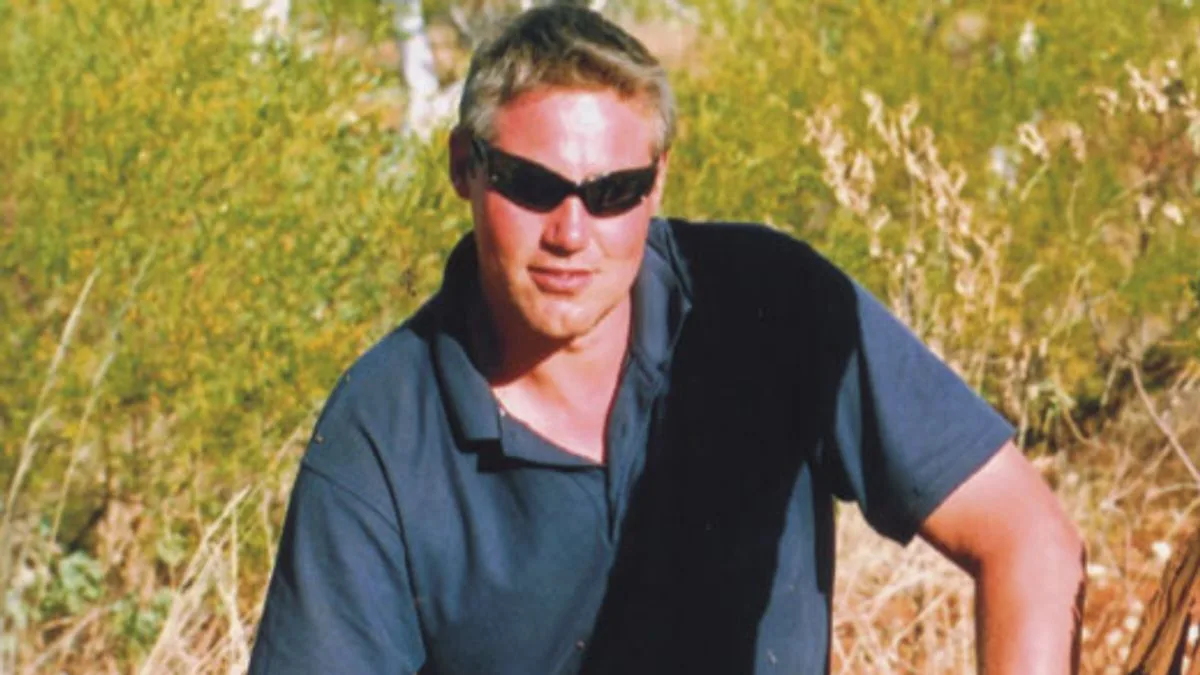
The story of Ricky Megee remains one of Australia's most bizarre and hotly debated unsolved mysteries—a tale of alleged kidnapping, improbable survival, and enduring scepticism.
A Journey Interrupted: From Fresh Start to Nightmare
In early 2006, Ricky Megee, a 35-year-old with a troubled past, set off on a 3000km drive across the Australian Outback. He was heading from Brisbane to Port Hedland, seeking a new beginning. His route took him through the formidable Tanami Desert, renowned as one of the continent's most isolated regions. His journey, however, was brutally interrupted.
Megee's account of what happened next has shifted over time. Initially, he reported his car had broken down. Later, he stated he picked up a hitchhiker—sometimes described as one of three stranded men—who drugged him, either by spiking his drink or using a syringe. He awoke, disoriented, at his assailants' camp. After being robbed of his shoes but, curiously, not his money, he was ultimately abandoned, covered with a tarpaulin in a makeshift desert grave.
Ten Weeks of Survival Against All Odds
What followed was a 71-day fight for life in one of the world's harshest environments. Megee claims he regained consciousness to find dingoes clawing at him. Stranded and barefoot, he embarked on a desperate ten-day trek in searing heat that often soared above 40°C, frequently collapsing from exhaustion.
With no supplies, Megee was forced to adopt extreme survival tactics. His diet consisted of raw snakes, lizards, frogs, grasshoppers, and ants. He foraged for leeches from waterholes, consuming them uncooked. When no water was available, he drank his own urine and collected morning dew. He sun-dried frogs on a wire, waiting for them to become "a bit crispy" before eating.
He built rudimentary shelters, first from branches and later using an abandoned cattle trough. At one critical juncture, suffering from a potentially fatal tooth abscess, he used his car keys to dig the infected tooth from his gum. When he was finally discovered by a group of jackaroos on a remote cattle station in March 2006, the 6ft 2in man weighed a mere 7 stone (99lbs), having lost over half his body weight.
Recovery, Doubt, and a Life Rebuilt
Rushed to Royal Darwin Hospital, medical staff noted he was severely emaciated yet surprisingly well-hydrated. He was discharged after just six days. However, his rapid recovery and changing narrative soon attracted scrutiny. Some media outlets, like The Sydney Herald, speculated the story was fabricated to sell to television. Police reportedly had doubts due to Megee's minor drug convictions but found no evidence of criminal wrongdoing on his part.
Outback survival expert Les Hiddins suggested that while remarkable, survival was possible, especially during the rainy season when water was more accessible. Megee, however, has always vehemently defended his account, publishing a 2010 autobiography, Left for Dead. He credits his will to see family again for his survival.
Today, Ricky Megee lives in Dubai, managing a construction team. He views his ordeal as having a higher purpose, expressing a desire to undertake aid work in Africa. "I just think I didn't die for a reason," he has said, "and I'm able to help other people." His story endures as a compelling, if unverified, testament to human endurance in the face of unimaginable adversity.