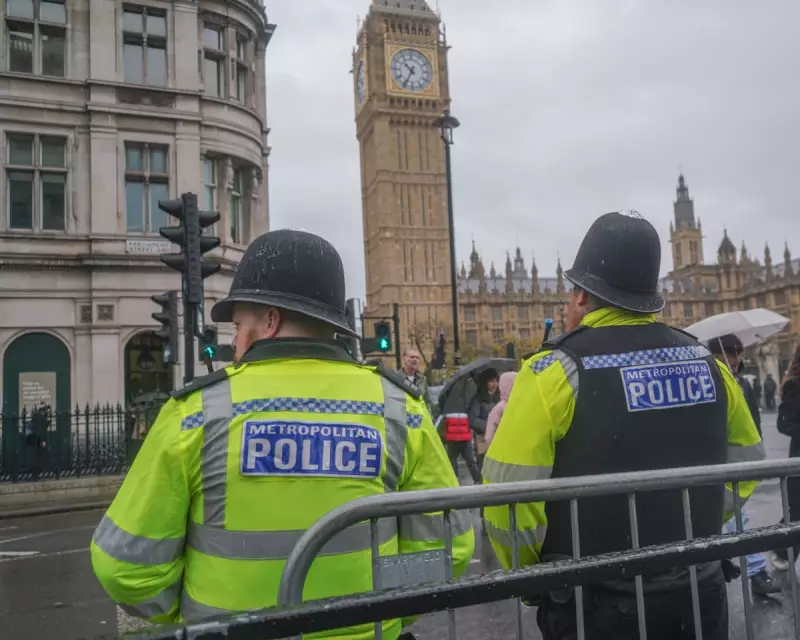
London has recorded its lowest homicide rate in more than a decade, with police and the mayor declaring the capital one of the safest major cities in the western world. The significant drop comes amid political claims from right-wing critics about a crime problem in the city.
A Decade of Decline in Violent Crime
Official figures reveal a stark and sustained decrease in killings across the capital. In 2025, the Metropolitan Police recorded 97 homicides, a substantial fall from 153 in 2019 and down from 109 just a year earlier in 2024. This represents the lowest figure for over ten years, with 120 homicides recorded a decade ago. The peak this century was 216 in 2003.
The most dramatic improvement is seen among young people. Homicides of those aged under-25 have plummeted, with only 18 recorded in 2025 compared to a peak of 69 in 2017. This positive trend has occurred despite London's population growing from 8.1 million in 2010 to 9.1 million today, meaning the risk to individuals has fallen even more sharply.

The "Public Health" Strategy Behind the Success
London Mayor Sadiq Khan attributes the success to a twin-track, "public health" approach to violence, which tackles root causes as well as enforcement. He stated the strategy directly rebuts narratives from critics like Donald Trump and right-wing parties. "We are liberal and diverse and also successful," Khan asserted.
The cornerstone of this approach is the Violence Reduction Unit (VRU), established in 2019. Its staff, based in police stations, engage with young people after arrest, reporting a 90% success rate in diverting individuals away from crime. Khan emphasised that addressing poverty and lack of opportunity has been key to reducing serious violence.
Smarter Policing and Cultural Shifts
Commander Paul Brogden, the Met's head of homicide, explained that more focused police work combined with effective diversion programmes has driven the change. He noted a cultural shift where people are less willing to resort to knives to settle disputes. Roughly 50% of homicides are linked to drugs, and a renewed focus on targeting serious organised crime kingpins, rather than low-level offenders, is paying dividends.
"What we've seen is a shift … of younger people stepping back from violence," Brogden said. He highlighted better use of digital evidence from suspects' phones and more targeted stop-and-search operations, moving away from broad sweeps. The drop in killings has coincided with a fall in the overall use of this controversial tactic.
However, Brogden highlighted a stark racial disparity that remains. Young black men are up to 12 times more likely to be murder victims. Tragically, all eight teenagers murdered in London in 2025 were black. He called for a "generational opportunity" to build trust and divert young black Londoners from crime, acknowledging areas of social deprivation and lack of opportunity.
How London Compares Globally
The statistics place London favourably against other global capitals. In 2025, there were 1.1 homicides per 100,000 residents in London. This compares to 3.2 in Berlin, 2.9 in Brussels, and 1.6 in Paris. The capital also appears far safer than major North American cities, with New York at 2.8 per 100,000, Los Angeles at 5.6, and Philadelphia at 12.3.
For the first time, young Londoners under 25 are at a lower risk of homicide than adults. In 2017, the rate for under-25s was 2.51 per 100,000, higher than the adult rate of 1.65. By 2025, the adult rate was 1.1, while the rate for under-25s had fallen to just 0.65.