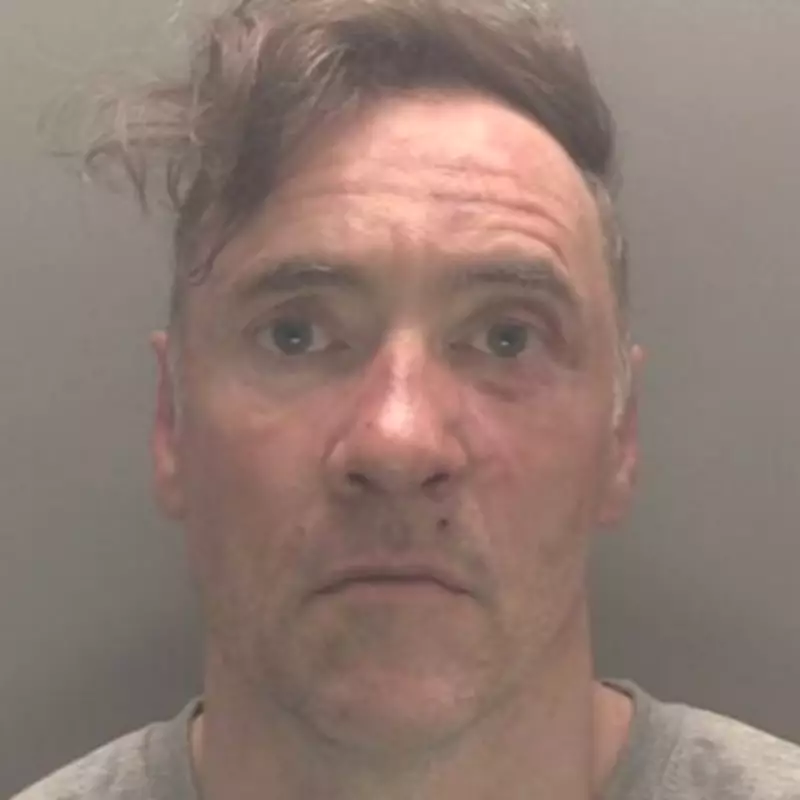
Liverpool Parade Crash Victim Voices Unexpected Sympathy for Driver
Stefan Dettlaf, a 73-year-old man who was hospitalised for several days following the horrific Liverpool parade crash, has expressed a surprising degree of sympathy for the culprit, Paul Doyle. Mr Dettlaf was among the 134 individuals physically harmed when Doyle deliberately drove his Ford Galaxy into the jubilant crowds of Liverpool supporters during last May's Premier League title victory parade.
The Deliberate and Chilling Attack
Paul Doyle's own dashcam footage provided the most chilling evidence of his criminal behaviour. The video recorded him speeding, overtaking cars, and running red lights before he reached the packed throngs in Liverpool city centre. Rather than attempting to halt his vehicle, he used it as a weapon, driving directly at people in a deliberate attempt to force his way through the celebrating fans.
Doyle barrelled into the crowds, hurling insults and ordering people to clear his path. His violent rampage was only ended due to the heroic actions of former soldier Daniel Barr, who leapt into the back of the car, and the sheer number of injured individuals who became trapped beneath the vehicle's wheels.
Guilty Plea and Substantial Sentence
The 54-year-old Doyle faced a total of 31 serious charges related to the incident. He pleaded guilty to all offences on the second day of his trial. The court subsequently handed down a substantial prison sentence of 21 and a half years. Throughout the legal proceedings, Doyle, who told arresting officers "I have ruined all of my family's lives", was frequently seen weeping and burying his face in his hands.
Victim's Perspective: A Complex Mix of Anger and Pity
Now, one of his eldest victims, Stefan Dettlaf from Birkenhead, has revealed a complex emotional response. Mr Dettlaf, who fractured six ribs and spent several days in hospital, while his wife Hilda was seriously hurt after landing on the bonnet of Doyle's vehicle, has expressed a degree of sympathy for the motorist.
Speaking to 5 News, he said: "I owe him no sorrow or anything but he really looked as though he was going through it. I did feel sorry for him in the court. I see people saying he deserved everything he got and should have got a lot more and I absolutely agree. Then I see the other side where he never killed anybody as well which was absolute pure luck."
Explaining the psychological toll, he added that for months after the incident, even talking about it would cause him to break down. "At first, I was terrible with all the flashbacks and everything and all these random faces people in these flashbacks saying, 'don't worry you're alright you're going to live.'"
Lasting Physical and Psychological Scars
Another victim, Dean Townsend, 31 from Widnes, who sustained three fractured ribs while attending the parade with his nephew, detailed the ongoing consequences. "I'm going through more health issues now because I've suffered with epilepsy that's spiralled out of control. I've suffered psychological injuries. I'm undergoing counselling two times a week and so far I'm only seeing some returns from my counselling now."
Both men had powerful victim impact statements read to the court during Doyle's sentencing. Mr Dettlaf described thinking his wife of 54 years was dead and feeling like a wreck, no longer recognising himself. Mr Townsend expressed how normal activities he once enjoyed are now a thing of the past.
Official Condemnation of Reckless Actions
Speaking after the sentencing, senior investigating officer Detective Chief Inspector John Fitzgerald stated: "On what should have been a day of celebration for the city Doyle chose to act in an aggressive and dangerous manner with no regard for the safety and wellbeing of other people. No prison sentence will be able to undo his actions on that day or heal those who continue to suffer physically and psychologically as a result of what they endured and witnessed."
The case highlights the profound and lasting impact of the crash on the victims, juxtaposed with the complex and unexpected emotions that can emerge in the aftermath of such a traumatic public event.