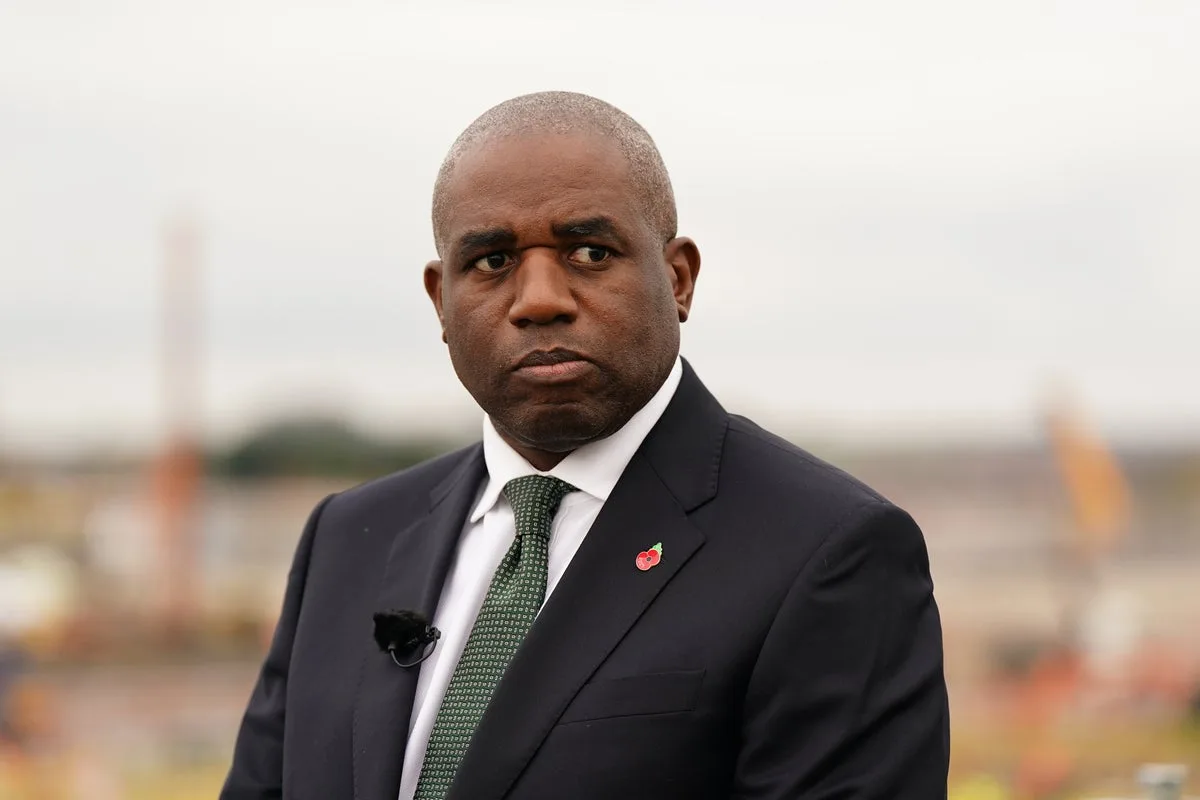
Justice Secretary David Lammy has announced major reforms to the criminal justice system, set to be unveiled this week, aiming to “put victims front and centre”. The proposed changes seek to tackle the record-high backlog in crown courts, which the Ministry of Justice (MoJ) says will save victims “from years of torment and delay”.
According to a memo seen by The Times, juries would only preside over cases of rape, murder, manslaughter, and those deemed of public interest. Lesser offences would be heard by a judge alone. The proposals build on recommendations from Sir Brian Leveson’s review, which advocated for juries to be reserved for the most serious cases.
The MoJ confirmed that Lammy, who also serves as deputy prime minister, intends to advance many of Sir Brian’s suggestions. However, The Times reported that Lammy’s note indicates he may go further, potentially removing the lay element from trials involving serious offences carrying prison sentences of up to five years.

The reforms have drawn criticism, with Labour’s proposals for single-judge trials facing opposition over concerns about miscarriages of justice and racial discrimination. The MoJ argues that an overhaul is urgently needed, as the backlog of cases in crown courts is nearing 80,000 and could escalate to 100,000 by 2028 without intervention. Some trials are currently listed as late as 2030, leading to a growing number of alleged victims abandoning their cases.
Lammy stated: “We inherited a courts emergency; a justice system pushed to the brink. We will not allow victims to suffer the way they did under the last government, we must put victims front and centre of the justice system.” Shadow justice secretary Robert Jenrick criticised the potential reforms, saying: “Instead of depriving British citizens of ancient liberties, David Lammy should get his own department in order.”