Grooming Gangs Inquiry to Directly Examine Ethnicity, Culture and Religion
The statutory independent inquiry into grooming gangs has published its formal terms of reference, which will be presented to Parliament when it reconvenes on April 13. The inquiry will then commence its comprehensive investigation into the group-based sexual exploitation of children across England and Wales.
Scope and Powers of the Investigation
The inquiry possesses significant legal authority, including the power to compel witnesses to provide testimony and to require organisations to surrender relevant documents. It will scrutinise how grooming gangs operated and evaluate the responses of key institutions such as police forces, local authorities, health services, social care providers, and educational establishments.
Any evidence uncovered of criminal conduct by professionals will be immediately referred to Operation Beaconport, the national policing initiative launched last year to review hundreds of previously closed investigations into child sexual exploitation cases.
Leadership and Methodology
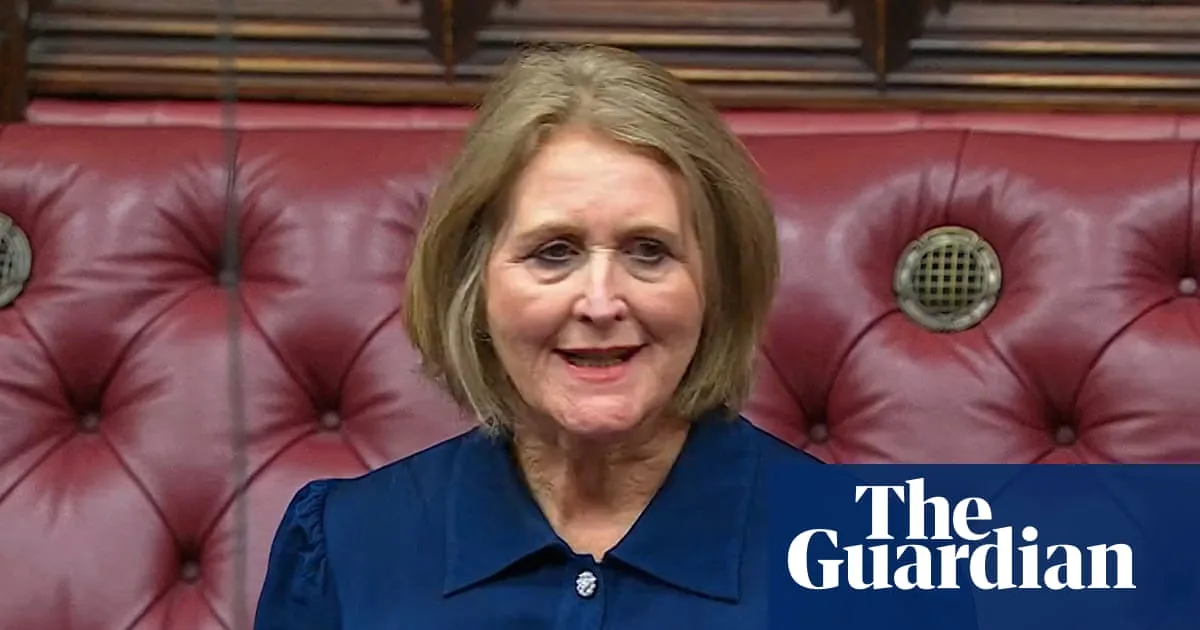
Baroness Anne Longfield, the former Children's Commissioner for England, chairs the inquiry. She will be supported by panellists Zoe Billingham, formerly Her Majesty's Inspector of Constabulary and Fire & Rescue Services, and Eleanor Kelly, the previous chief executive of Southwark Council.
Lady Longfield emphasised the inquiry's commitment to transparency and accountability, stating: "Children across England and Wales were and are sexually abused and exploited. When they asked for help, they were too often disbelieved, dismissed or blamed. That is the reality this inquiry exists to address."
She further pledged: "We will follow the evidence wherever it leads. We will not flinch from uncomfortable truths. Where we can, we will publish our findings progressively, not in a single report years from now. There will be no opportunity for institutions to quietly manage what we find."
Specific Focus Areas and Local Investigations
A central component of the inquiry's mandate is to directly examine whether factors such as ethnicity, culture, or religion influenced both the offending behaviour and the institutional responses to it. This explicit focus represents a significant development in the investigation's scope.
The inquiry will conduct detailed local investigations in areas where serious institutional failures in responding to child sexual exploitation by grooming gangs have been identified. Oldham has been confirmed as one of the first locations for such intensive scrutiny.
Political Responses and Institutional Context
Home Secretary Shabana Mahmood described the grooming gangs scandal as "one of the darkest moments in our country's history" and stated that the inquiry would be "laser focused on grooming gangs and will explicitly examine the role of ethnicity, religion and culture of the offenders and in the response of institutions."
Conservative Party leader Kemi Badenoch welcomed what she described as "significantly strengthened terms of reference," noting that initial drafts had not included examination of ethnicity and religion. She expressed appreciation that Conservative demands, reflecting concerns raised by survivors, would be addressed.
Operational Details and Historical Context
The inquiry will hold public hearings that will be live-streamed, with transcripts published following each session. Findings will be released progressively rather than being withheld until a final comprehensive report.
Established with a maximum duration of three years and a budget of £65 million, the inquiry must conclude its work no later than March 2029. It was established in response to recommendations from Baroness Louise Casey's National Audit on Group-based Child Sexual Exploitation and Abuse, which identified systemic failures and institutional paralysis that enabled grooming gangs to operate for extended periods.