A sophisticated network of police surveillance cameras, designed to make Britain's roads safer and catch criminals, is being systematically undermined by a booming trade in illegal 'ghost' number plates. An investigation has exposed critical failures in regulation, allowing unscrupulous sellers to profit and dangerous offenders to evade justice.
The High-Tech Shield Rendered Powerless
Over recent years, 18,000 state-of-the-art Automatic Number Plate Recognition (ANPR) cameras have been deployed across the UK's road network. Senior police officers champion the system as an invaluable tool for preventing and solving serious crimes, enabling real-time tracking of offenders and instant database checks on suspicious vehicles.
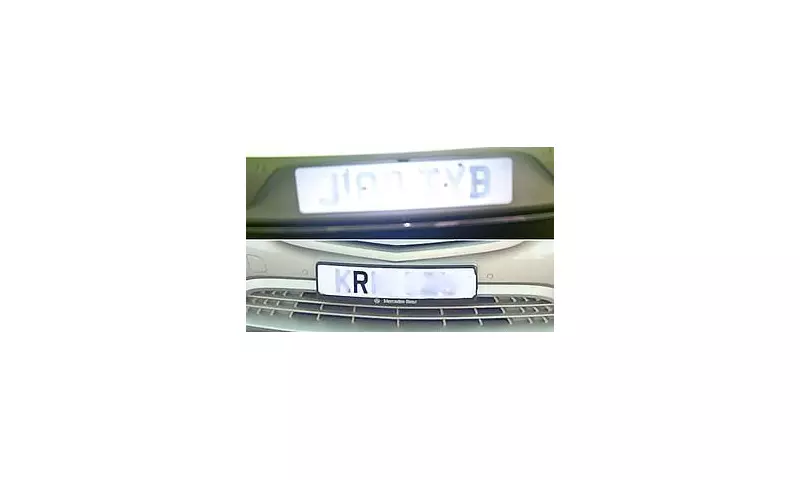
However, this technological shield is being grievously compromised. Suppliers are exploiting a weakly regulated vehicle registration regime to sell motorists modified plates that appear normal to the human eye but are completely invisible to ANPR systems. Techniques include using raised 3D or 4D lettering or reflective plastic films that deflect infrared light, rendering the plate unreadable.

A Market Running Rampant
The scale of the problem is vast and the market is hopelessly unregulated. For a mere £40 registration fee, a staggering 34,000 number plate sellers are currently registered with the Driver and Vehicle Licensing Agency (DVLA). The quango admits it lacks sufficient staff to properly vet and weed out dodgy traders operating within this crowded field.
It is now estimated that one in every 15 number plates on UK roads has been illegally modified. While some are used by motorists seeking to dodge congestion charges or airport fees, these ghost plates present a far graver threat. They have been linked to organised crime syndicates, drug traffickers, and grooming gangs. Security experts warn that terrorists could also exploit the loophole to slip past the security services.
Calls for Urgent Reform and Tighter Control
Faced with this escalating crisis, clear solutions are needed. Campaigners and law enforcement figures are demanding immediate action. First, the sale and use of 3D and 4D number plates should be outright banned on public roads. Second, significantly tougher penalties must be introduced for both using and selling these ghost plates.
Furthermore, the DVLA must be empowered and funded to beef up its enforcement operations and make it substantially harder to become a registered plate seller. Ultimately, given that number plates are fundamental to road safety, law and order, and national security, there is a compelling argument for the Government to restrict production to a small number of trusted, scrupulously-vetted companies—a level of security akin to that for passports or driving licences.
The integrity of a critical policing tool is at stake. Without swift and decisive regulatory action, the ghost plate racket will continue to flourish, allowing criminals to drive with impunity right under the nose of a compromised surveillance system.