Utah Death Row Inmate Seeks Case Dismissal After Police Misconduct Revelations
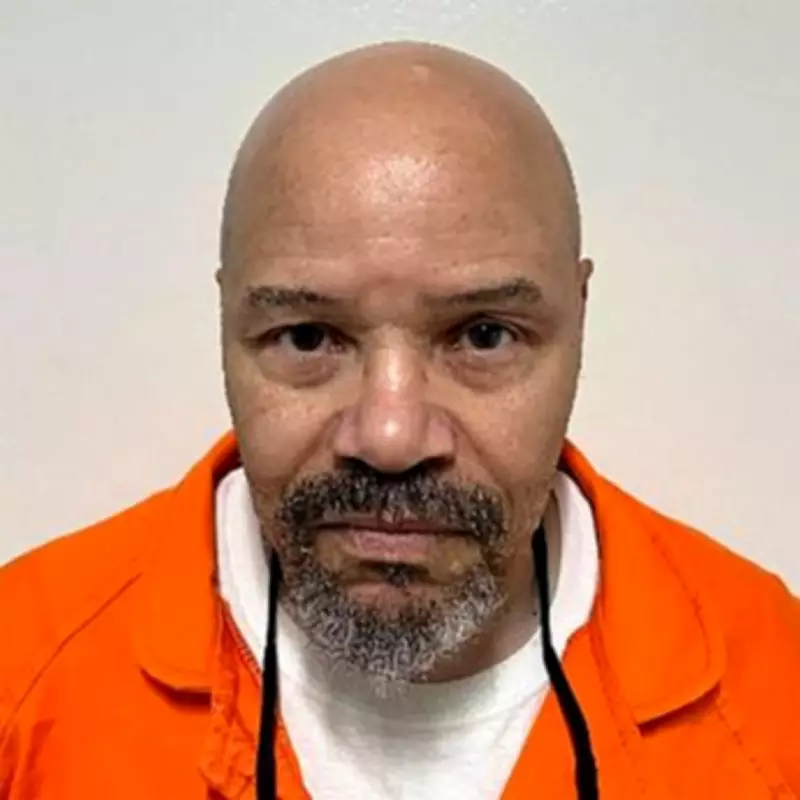
Douglas Stewart Carter, a 70-year-old man who spent over four decades on death row in Utah, has formally requested a judge to throw out his aggravated murder case. This dramatic legal move comes after the Utah Supreme Court ordered a new trial last year, citing serious misconduct by investigators that undermined the original conviction.
Decades-Long Legal Battle
Carter was originally sentenced to death in 1985 after a jury found him guilty of murdering Eva Olesen, who was the aunt of a former Provo police chief. The conviction rested primarily on a signed confession and testimony from two witnesses who claimed Carter had bragged about killing Olesen. Notably, no physical evidence ever linked Carter to the crime scene.
Carter has consistently maintained that his confession was coerced by authorities. The two witnesses—a couple living in the United States without legal status—later revealed that police and prosecutors had offered to pay their rent, coached them to lie in court, and threatened them and their son with deportation if they did not implicate Carter.

Judicial Reversals and Constitutional Violations
Judge Derek Pullan initially reversed Carter's conviction in 2022, a decision that was affirmed by the Utah Supreme Court in May of last year. The higher court ruled that "numerous constitutional violations" had occurred during the original investigation and trial, meriting a complete retrial. Despite this ruling, Carter has remained incarcerated while awaiting the new proceedings.
In a motion filed recently, Carter's defense team argued passionately for dismissal, stating: "Douglas Carter spent over 40 years on death row for a crime which he, and the evidence, says he did not commit. Legally, enough is enough." Prosecutors, however, have countered that the case should proceed to trial rather than being dismissed outright.
Allegations of Evidence Suppression
The defense motion presents startling new allegations regarding the original investigation. It claims that an investigator deliberately suppressed evidence pointing to other potential suspects, including the victim's own husband, Orla Olesen. According to the filing, prosecutors were close to filing charges against Orla Olesen when a Provo police lieutenant intervened, asking them to hold off so he could continue his investigation. Shortly thereafter, Carter was identified as the primary suspect.
Orla Olesen, who passed away in 2009, had originally told police he discovered his wife dead in their home. The victim was found partially undressed with her hands tied behind her back, having been stabbed ten times and shot in the back of the head, according to court documents.
Missing Evidence and Official Silence
Prosecutors revealed in recent court filings that they are uncertain whether Provo police still possess the tape recording of Orla Olesen's polygraph test. They also confirmed that the state no longer has any of the clothing seized from him during the investigation and lacks information about other potential evidence items that may have been taken.
The Provo Police Department and prosecutors from the Utah County Attorney's Office have declined to comment on the allegations, not responding to multiple email and phone inquiries. Prosecutors have yet to file an official response to Carter's motion for dismissal. A bond hearing has been scheduled for June, which could determine whether Carter is released pending further proceedings.