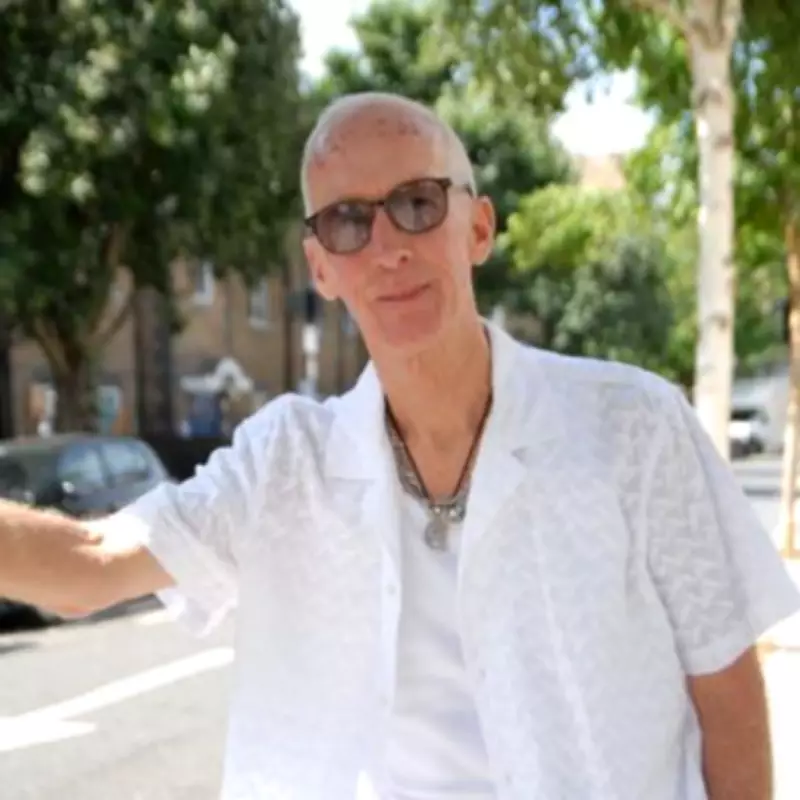
Father Wrongly Accused of IKEA Theft by Faulty Facial Recognition System
A 59-year-old father from London was falsely arrested and charged with shoplifting after a police facial recognition system incorrectly identified him as a suspect. Colin McMahon, a former roofer from Cricklewood, spent 24 hours in custody and faced a court trial before being cleared of all allegations.
The Arrest and Custody Ordeal
Colin McMahon was arrested on Harlesden High Street in London on October 16, 2025. Police officers surrounded him after a Retrospective Facial Recognition (RFR) search linked him to a theft at an IKEA store in Greenwich on February 4 of that year. The alleged crime involved stolen items worth approximately £300.
The Metropolitan Police detained McMahon at Wembley Police Station, where he remained for a full day before being formally charged with theft. He described the experience as bewildering and confusing, stating that he was simply walking down the street with a friend after a meeting with the homelessness charity Crisis when officers abruptly apprehended him.

Court Proceedings and Acquittal
On February 26, 2026, the City of London Magistrates' Court examined the evidence and determined that McMahon was not the individual captured on CCTV exiting the IKEA store with stolen goods. The court found that he did not match the identity of the suspect flagged by surveillance footage.
McMahon had protested to police that the man in the CCTV images was skinnier and walked differently. Court documents revealed that police had noted similarities in glasses, facial features, body structure, and white shoes, but these were insufficient to prove guilt. McMahon was, in fact, attending an Alcoholics Anonymous meeting at the time of the theft, providing him with a solid alibi.
Impact on Mental Health and Daily Life
The wrongful accusation has had severe consequences for McMahon's mental well-being. He reported that the ordeal left him feeling thrown off mentally and with his head all over the shop, particularly as he had to deal with the legal proceedings over the Christmas period. McMahon has since undergone therapy to address the trauma and has made ten hospital visits since his arrest, which he attributes to the stress of the incident.
He expressed anxiety about going out in public, fearing another mistaken arrest. McMahon also criticised the use of facial recognition technology, comparing it to historical 'sus laws' and warning that such errors could tip individuals with mental health problems over the edge. He emphasised that the case represents a waste of taxpayers' money and insists he will not consider the matter closed until he receives compensation.
Police Response and Policy Changes
A Metropolitan Police spokesperson acknowledged the difficulty of being subject to a police investigation and stated that the force does not underestimate the impact on individuals. The spokesperson explained that RFR is used solely to generate intelligence leads, with any potential match undergoing human review and further investigation before conclusions are reached.
Following a planned review, the Met updated its RFR policy framework in March 2026 to ensure the technology is used effectively while protecting people's rights and freedoms. The police maintain that RFR continues to support officers in identifying potential suspects and keeping Londoners safe, despite this high-profile error.
Broader Implications for Facial Recognition Technology
This case highlights ongoing concerns about the accuracy and ethical use of facial recognition systems in law enforcement. While high accuracy rates are reported with high-quality images, suspects are much less likely to be correctly identified when image quality is low. The incident underscores the need for robust safeguards, transparent policies, and accountability mechanisms to prevent similar wrongful accusations in the future.
McMahon's experience serves as a cautionary tale about the potential for technology to misidentify individuals, leading to significant personal distress and legal complications. As facial recognition becomes more prevalent, balancing public safety with individual rights remains a critical challenge for authorities.