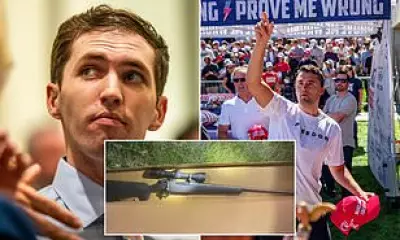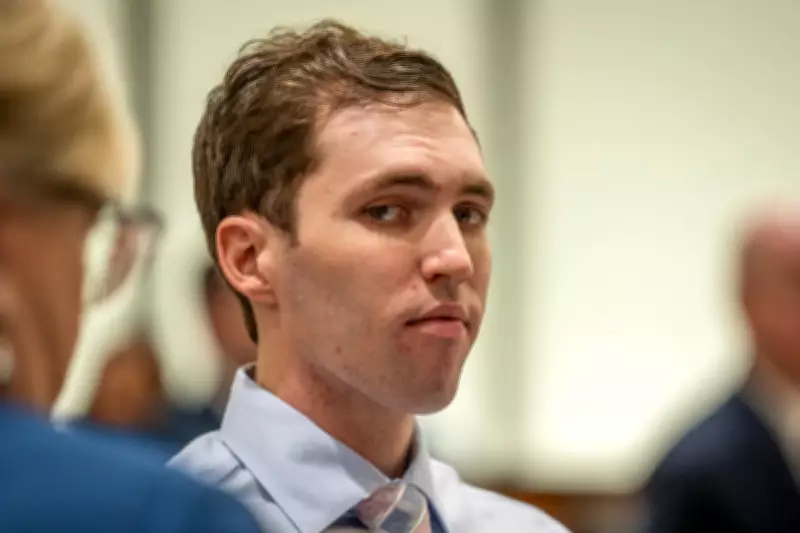
Defence lawyers representing Tyler Robinson, the man accused of murdering prominent conservative activist Charlie Kirk, have formally requested a postponement of a preliminary hearing in the high-profile case. The legal team has cited the need for additional time to thoroughly investigate a recent and inconclusive analysis conducted by the Bureau of Alcohol, Tobacco, Firearms and Explosives (ATF).
Forensic Discrepancies Under Scrutiny
The ATF report, which has become a focal point in the proceedings, reportedly failed to establish a definitive link between a bullet fragment recovered during Charlie Kirk's autopsy and the rifle discovered near the crime scene. This lack of conclusive evidence has prompted the Federal Bureau of Investigation (FBI) to initiate further tests, adding another layer of complexity to the forensic examination.
Prosecution and Defence Present Contrasting Evidence
Prosecutors in the case have stated that DNA evidence consistent with Tyler Robinson's profile was found on the trigger of the rifle. However, defence attorneys have countered this claim by highlighting that forensic reports indicate the presence of multiple individuals' DNA on some items collected from the scene, potentially complicating the prosecution's narrative.

Tyler Robinson has not yet entered a plea to the charges. According to prosecutors, he allegedly targeted Charlie Kirk due to 'hatred,' and they intend to seek the death penalty if he is convicted. The defence's request for a delay underscores the intricate and contentious nature of the evidence being presented, as both sides prepare for a legal battle that could have significant ramifications.
The case continues to attract widespread attention, with the upcoming preliminary hearing now pending the outcome of the defence's investigation into the bullet analysis and the FBI's additional testing. The legal manoeuvring highlights the critical importance of forensic evidence in determining the course of justice in this deeply polarising murder trial.