Concern Mounts Over Declining Catholic Applications to PSNI
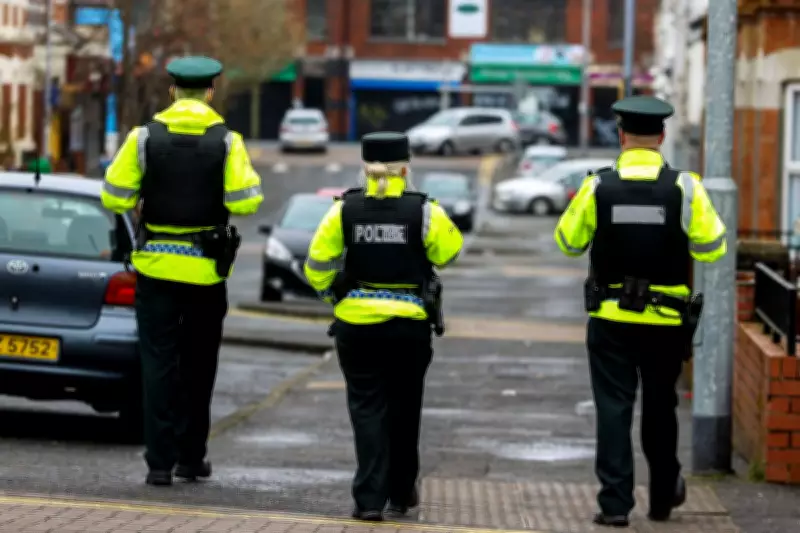
Significant concern has been expressed following the release of data showing the percentage of Catholic applicants to the Police Service of Northern Ireland (PSNI) has fallen to its lowest level in more than a decade. The figures, revealed as part of the latest student officer recruitment campaign, have prompted urgent calls for intervention from political representatives and policing officials.
Recruitment Statistics Reveal Stark Imbalance
The PSNI announced that its recent recruitment drive attracted a total of 4,104 applications before closing last Wednesday. However, a detailed breakdown of the applicants presents a worrying picture regarding community representation. According to the police data, 65.6% of applicants identified as Protestant, while only 26.7% identified as Catholic. A further 7.7% of applicants did not specify their religious background.
This marks a notable decline from the previous year, when Catholic applicants constituted 28.8% of the total. The current figure represents the lowest proportion of Catholic applicants since 2013, raising serious questions about the long-term composition of the police service. The disparity is particularly striking when contrasted with the 2021 census data, which indicated that 45.7% of Northern Ireland's population identifies as Catholic.

Additional demographic data from the recruitment campaign showed that 63.5% of applicants were male and 36.5% were female. Furthermore, 7.3% identified as belonging to the LGBT community, and 4.2% were from ethnic minority backgrounds.
Political Figures Sound Alarm Bells
SDLP Member of the Legislative Assembly and Policing Board member Colin McGrath has been vocal in his criticism of the declining trend. He stated that the 13-year low in Catholic applications should serve as a major warning signal for the future of policing in the region.
"There will be much commentary around this 13-year low in Catholic applicants to join the PSNI, but unfortunately this trajectory has been clear for some time and these figures are in no way surprising," Mr McGrath remarked. "Unless we see drastic changes, things will only get worse, with Policing Board projections putting the number of officers from a Catholic background at just 23% in 10 years' time."
Mr McGrath described the reasons behind the decline as "complex," acknowledging that there are no simple solutions. He pointed to several contributing factors, including the persistent threat from dissident groups, the handling of historical legacy cases, and a series of high-profile operational mistakes, such as a significant data breach. These issues, he suggested, give many potential candidates pause when considering a career in policing.
The SDLP representative welcomed the efforts of Chief Constable Jon Boutcher to address these challenges but emphasised the need for broader action. "Last year, SDLP leader Claire Hanna called for an independent review of policing and the rule of law institutions to stop this slide backwards. This must be taken seriously by the PSNI, the Executive, and particularly the Justice Minister, alongside the UK and Irish governments," he asserted. "Without a major intervention, this situation will only deteriorate in the years ahead, with serious consequences for confidence in policing and society as a whole."
Chief Constable Appeals for Community Support
Earlier this month, Chief Constable Jon Boutcher called for greater "buy-in" from all sections of society to support the police in becoming truly representative of all communities in Northern Ireland. Speaking at a Policing Board meeting, Mr Boutcher referred to a "very small section of society" that attempts to disrupt community engagement events, such as police visits to schools or local meetings.
He expressed frustration at what he described as the "bigoted" and "out-of-date" attitudes held by some individuals, which are based on views that predate the establishment of the PSNI. In a separate appeal on Wednesday, Mr Boutcher urged people from all backgrounds to consider a career in policing, describing it as a unique vocation rather than just a job.

"Policing is a unique career. It's not simply a job, it's a vocation," the Chief Constable stated. "It's a role that people can be quick to criticise, yet those very critics will always call us when they need help, and we will always be there for them whatever their background, culture, or religion. We are a police service for everyone."
Mr Boutcher noted that he was encouraged by the number of people from across the community who had shown interest in applying. He highlighted the rigorous selection process, which includes a multi-stage assessment followed by an intensive 22-week training programme at the Police College in Garnerville. "I appeal to people from all backgrounds to consider policing as a career. If you become a police officer, you will make a positive difference to so many people's lives," he concluded.
Broader Context of Police Numbers
The recruitment concerns come against a backdrop of declining overall police numbers in Northern Ireland. Last summer, PSNI officer numbers fell to 6,190, which is significantly below the target of 7,500 officers set out in the landmark Patten Report of 1999. This shortfall adds further urgency to the need for effective and representative recruitment strategies to ensure the police service can meet its operational and community obligations.