Britain's Most Notorious Female Serial Killers: From Victorian Poisoners to Modern Nurses
Britain's Female Serial Killers: A Disturbing History

While serial killers are predominantly male, a number of female murderers in Britain have committed crimes so shocking they have rocked public trust, influenced policy, and left an indelible mark on the nation's history. Their methods, often exploiting positions of care and trust, have allowed them to evade detection, challenging stereotypes about gender and violence.

The Disturbing Psychology and Methods

Research reveals stark contrasts between male and female serial killers. Male serial killers are nearly six times more likely to target strangers, whereas female serial killers are almost twice as likely to murder someone they know. Furthermore, while 65.4% of male killers stalk their victims, only 3.6% of females do.

Associate Professor of Psychology Marissa Harrison suggests evolutionary roles may influence these patterns. "Historically, men hunted animals as prey and women gathered nearby resources," she notes. Her research indicates that 39% of female mass killers work in healthcare professions, a statistic that underscores the terrifying breach of trust in these cases.

Infamous Cases That Shocked the Nation

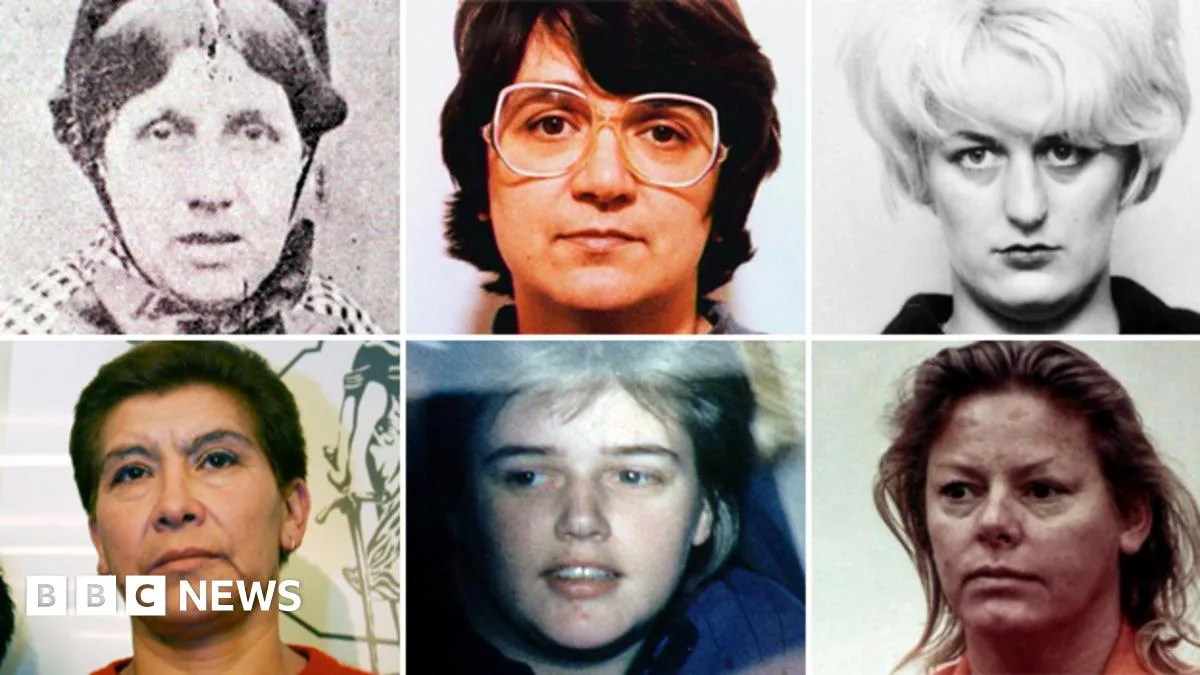
Mary Ann Cotton, born in 1832 in West Auckland, County Durham, is considered Britain's first female serial killer. She is believed to have used arsenic poisoning to murder an estimated 21 people, including three husbands and ten children, often after taking out life insurance policies. She was hanged at Durham Prison in 1873 after being convicted for a single murder.

Myra Hindley, alongside Ian Brady, perpetrated the Moors Murders in the 1960s. The pair abducted, assaulted, and killed five children, burying victims on Saddleworth Moor. Hindley's infamous mugshot became a symbol of evil. Convicted in 1966, she died in prison in 2002, her crimes destroying the myth that women were incapable of extreme sadistic violence.

Rose West, with husband Fred, raped, tortured, and murdered at least nine young women and girls in Gloucester during the 1970s and 80s. The full horror emerged in the 1990s when bodies were excavated from their home. Rose was convicted in 1995 and given a whole-life tariff.

Beverley Allitt, a paediatric nurse, murdered four children and attempted to kill several others at Grantham and Kesteven Hospital in 1991. She injected victims with insulin and air over a 59-day period. Diagnosed with Munchausen syndrome by proxy, she was jailed for life in 1993, prompting major changes in hospital safety.

Modern-Day Monsters and Lasting Impact

In 2023, Lucy Letby was convicted of murdering seven babies and attempting to murder six others as a neonatal nurse at the Countess of Chester Hospital. Her crimes, involving insulin poisoning and interfering with breathing tubes, led to a whole-life order and a public inquiry chaired by Lady Justice Thirlwall.

Joanna Dennehy represents a rare, overtly violent female killer. In 2013, she murdered three men in Cambridgeshire during a violent spree, showing no remorse. She was given a whole-life sentence, with the judge citing substantial premeditation in each killing.

These cases demonstrate that while statistically rare, female serial killers have a profound impact. They often exploit domestic settings or caregiving roles, which facilitates their crimes and delays discovery. The public fury they provoke is frequently magnified because the female capacity for such extreme harm is so profoundly underestimated.