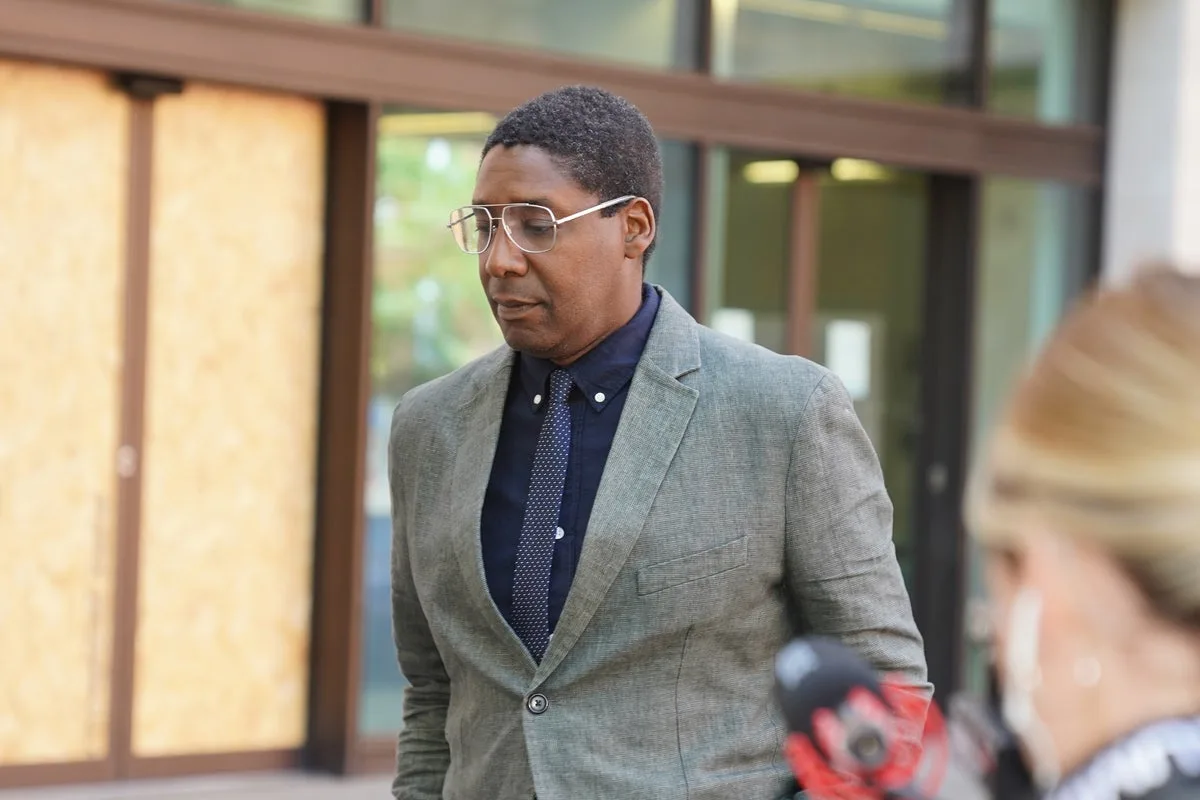
Oghenochuko Ojiri, a 53-year-old art expert who appeared on BBC's Bargain Hunt and Antiques Road Trip, has been sentenced to two-and-a-half years in prison for failing to report art sales worth around £140,000 to Nazem Ahmad, a man designated by US authorities as a suspected financier for the militant group Hezbollah. Ojiri, from Brent, north London, pleaded guilty to eight offences under section 21A of the Terrorism Act 2000, becoming the first person charged with this specific offence.
The offences occurred between October 2020 and December 2021, after new money laundering regulations brought the art market under HMRC supervision in January 2020. Ojiri, owner of Ramp Gallery (later Ojiri Gallery), sold artwork to Ahmad, who is based in Beirut. Ahmad's phone number was saved on Ojiri's phone as 'Moss', which prosecutors said was a deliberate attempt to disguise his identity. Despite being warned by others, Ojiri continued dealings with Ahmad.
Prosecutor Lyndon Harris told the court that Ojiri engaged in discussions and sales over 14 months, selling art valued at £140,000. The defendant was aware that Ahmad had been sanctioned in the US. US prosecutors describe Ahmad as a 'major Hezbollah financial donor' who used high-value art and diamonds to launder money and fund the group, evading sanctions through front companies to acquire over $160 million (£120 million) in artwork and diamond services.

Defence lawyer Gavin Irwin said Ojiri was arrested while filming a BBC programme and has lost his business and reputation. He described his client as 'naive' and 'preyed on by more sophisticated others'. Ojiri apologised for undermining trust in the industry and causing distress. Sentencing at the Old Bailey, Mrs Justice Cheema-Grubb said Ojiri was involved for 'prestige and profit' and knew about Ahmad's suspected involvement in financing terrorism. She noted that until these events, he was 'someone to be admired' but that the offences were so serious only a custodial sentence could be justified.
Commander Dominic Murphy of the Met's Counter Terrorism Command said the prosecution should act as a warning to art dealers that they can be prosecuted for knowingly doing business with funders of terrorist groups. He added that financial investigation is crucial to counter-terrorism efforts.