Man Convicted of 1977 Leeds Student Rape After DNA Cold Case Breakthrough
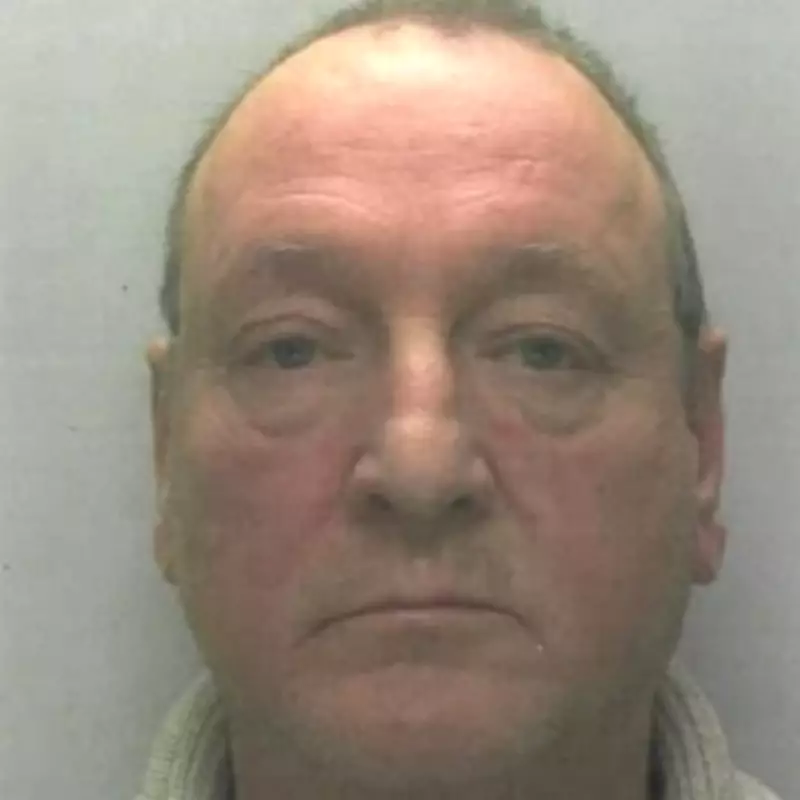
Nearly five decades after a horrific attack, a man has been convicted of raping a Leeds University student in 1977, thanks to a cold-case review and DNA breakthrough by West Yorkshire Police. David Sharp, 66, from Copland Meadows in Totnes, Devon, was found guilty today at Leeds Crown Court of one count of rape and one count of indecent assault. He has been remanded in custody and is due to be sentenced on April 23.
Details of the 1977 Attack
The victim, a Leeds University student on her first night in the city, woke around 3am on October 2, 1977, to the sound of a man smashing a window and entering her room. Sharp, who was 18 at the time, wore a ski mask throughout the assault, sexually assaulted and raped her before fleeing through the front door. Although the offence was reported and investigated at the time, no suspect was identified, leaving the case cold for decades.
Cold Case Review and DNA Evidence
In 2023, West Yorkshire Police's Major Investigation Review Team reopened the case as part of a cold-case review, focusing on forensic opportunities. Detectives obtained a DNA profile from the offender, but it did not initially match anyone on police databases. Further enquiries identified familial links to DNA samples already held, leading to a match with a close family member of Sharp. Officers then obtained a sample from Sharp himself, which matched the offender's DNA profile, confirming his involvement. Police later verified that Sharp had been living in Leeds at the time of the attack.

Police and Victim Statements
Detective Sergeant Richard Ord, of the force's major investigation review team, stated: "At the heart of this investigation is a woman who has been scarred by the events of 48 years ago for her whole adult life. She has told officers that she remembers the crime committed against her on that day in 1977 like it was yesterday." He added that Sharp consistently denied the offence and took no responsibility, but the compelling evidence led to his conviction. "No prison sentence can make up for the life term of trauma that the victim has been subjected to, but I hope that she feels that some form of justice has now been served," Ord said.
He highlighted that advances in forensic science enable cases to be solved many years later, providing victims with deserved outcomes. Ord encouraged anyone wishing to report an offence to come forward, emphasizing: "No matter how long ago, you will be listened to, this case shows time is not a barrier to justice."
Impact and Justice
This conviction underscores the importance of persistent police work and technological advancements in solving historical crimes. The victim's ordeal, which has haunted her for nearly five decades, finally sees a measure of closure with Sharp's guilty verdict. The case serves as a reminder that justice can be pursued regardless of the passage of time, offering hope to other victims of unsolved crimes.