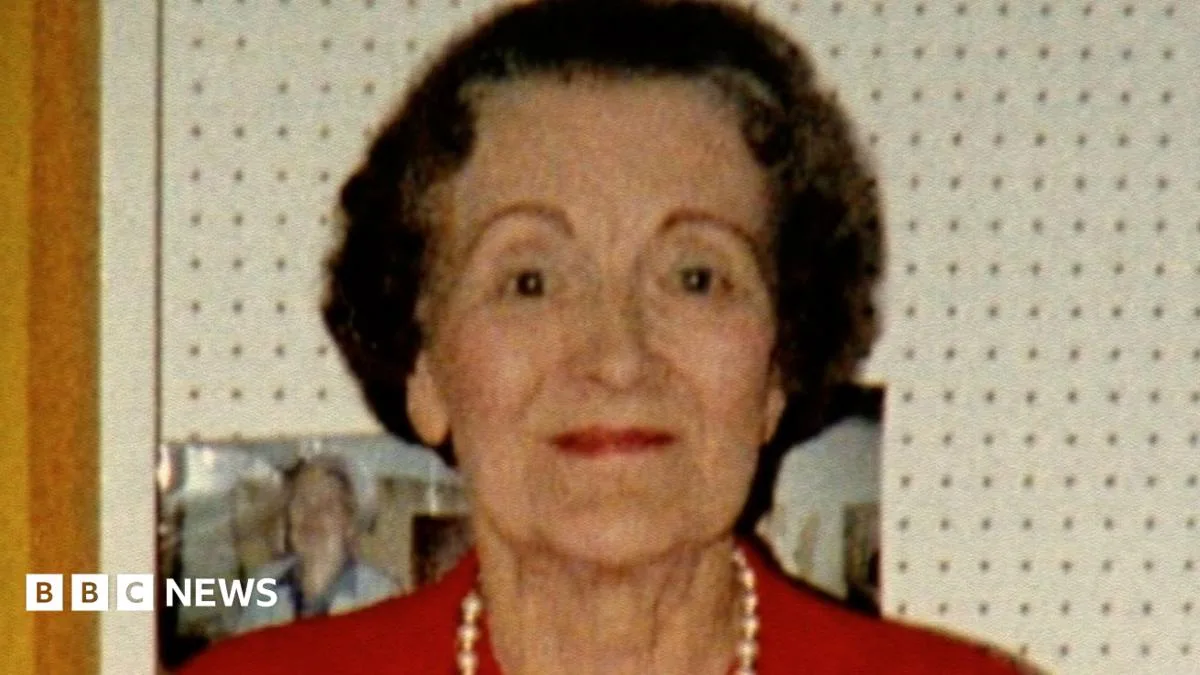
A pioneering DNA technique that helped solve the brutal murder of an elderly widow in Mansfield has led to hundreds of crimes being solved worldwide. The case of Gladys Godfrey, 87, who was raped and killed in her home in 2002, became the first murder conviction secured using familial DNA searching.
Godfrey's killer, Jason Ward, 21, entered her bungalow in September 2002 while she slept. He beat, stamped on, kicked, and strangled her, causing a fractured skull and broken neck. The attack was so violent that her niece was not allowed to identify the body. Ward had previously attacked Godfrey in April 2001, exposing himself and stealing her handbag.
Police had DNA from both crime scenes but no match on the National DNA Database as Ward had never been arrested. After swabbing 1,100 men with no result, scientists at the Forensic Intelligence Bureau in Birmingham developed familial DNA searching, which looks for close matches to identify relatives of the suspect.
Using this technique, detectives linked Ward through a family member's DNA. He was convicted in 2004 and sentenced to life imprisonment. The method has since been used to catch numerous criminals, including the suspected Golden State Killer in the US.
Kevin Flint, the senior investigating officer, described the case as 'one of the most horrendous' he had ever worked on. The breakthrough gave closure to Godfrey's family, who had feared her killer would never be found.