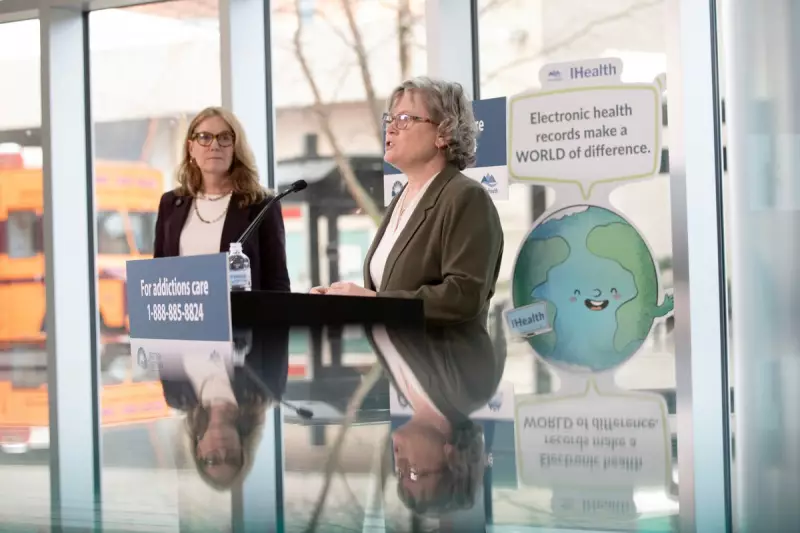
The Canadian province of British Columbia has announced it will not extend its controversial three-year pilot project that decriminalised the possession of small amounts of hard drugs. The experiment, which began in January 2023, is now set to conclude on 31 January 2026.
Why the Project is Being Scrapped
British Columbia Health Minister Josie Osborne confirmed the decision on Wednesday, stating the province would not seek a renewal of its agreement with Health Canada. The exemption, granted under the federal Controlled Drugs and Substances Act, was intended to reduce stigma and make it easier for individuals to seek help without fear of criminal prosecution.
However, Minister Osborne admitted the initiative "hasn’t delivered the results" that officials had hoped for. The original framework permitted adults to carry up to 2.5 grams of opioids, cocaine, methamphetamine, and MDMA. This was later amended in 2024 to restrict possession to private residences, homeless shelters, and designated healthcare sites.

Shifting Focus to Treatment and Recovery
With the end of decriminalisation, the provincial government says its priority is now on building a more robust care system. "We are building a more complete and comprehensive system of mental-health and addictions care in B.C., including prevention, treatment and recovery, harm reduction and aftercare," Osborne stated.
The move follows a similar reversal in the US state of Oregon, which ended its own pioneering decriminalisation policy in 2004. British Columbia's decision marks a significant shift in North American drug policy, contrasting with the long-standing model in Portugal, which became the first country to decriminalise all drug use in 2001.
Implications for Future Policy
The termination of this pilot project raises critical questions about the effectiveness of decriminalisation as a standalone tool in tackling complex addiction crises. Officials now emphasise strengthening the approaches that are helping people get timely, appropriate care, suggesting a renewed focus on integrated health services over simple legal exemption.
This development will be closely watched by policymakers in the UK and globally, as nations continue to grapple with the best strategies for managing substance use and its profound societal impacts.