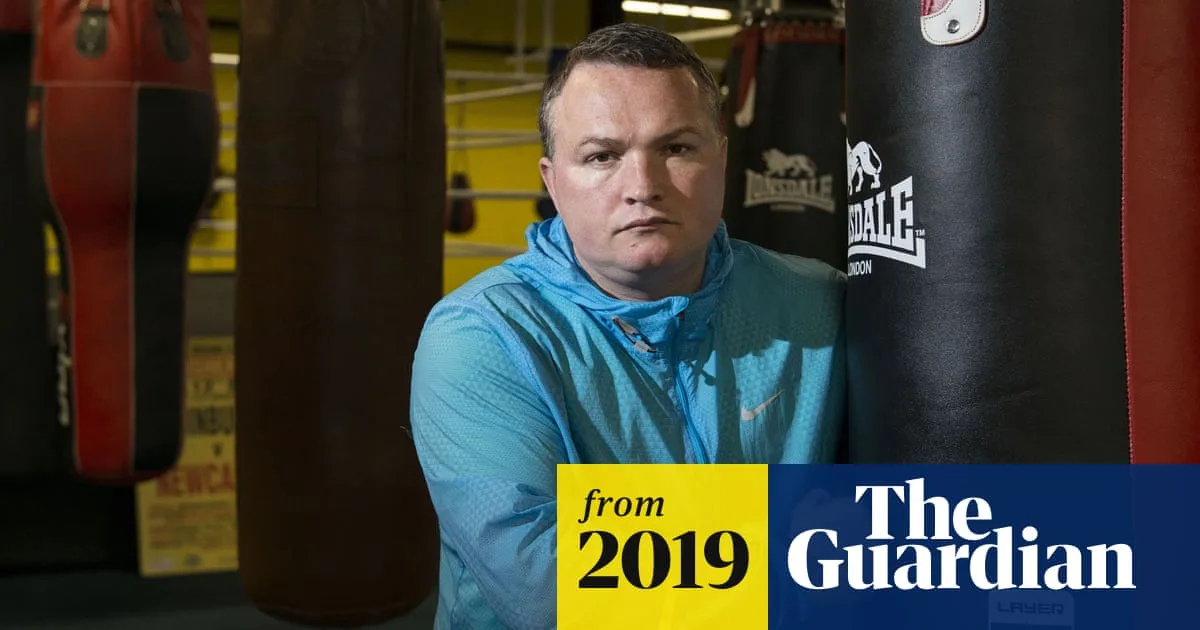
Bradley Welsh, the former boxing champion and Trainspotting 2 actor, was shot dead on his doorstep in Edinburgh's West End on Wednesday. The 42-year-old was killed by a single shot to the head as he walked down the stairs to his flat, with his wife and young daughter inside at the time.
Police Scotland confirmed the killing is being treated as murder, with detectives believing it was a targeted attack. The suspect fled on foot, and authorities are appealing for witnesses. Detective Superintendent Allan Burton stated: 'We have a lady who’s lost a partner, a child who’s lost a dad, a family who have lost a son and brother.'
Welsh, who played gangland figure Mr Doyle in T2 Trainspotting, was also known for his charity work through the Holyrood Boxing Gym, which helped steer young people away from crime. He appeared in Danny Dyer's Deadliest Men and The Real Football Factories, describing himself as a 'born leader'.
Author Irvine Welsh led tributes on Twitter, writing: 'Goodbye my amazing and beautiful friend. Thanks for making me a better person and helping me to see the world in a kinder and wiser way.' Friends and family left flowers, cards, teddy bears, and Hibernian FC scarves at the police cordon.
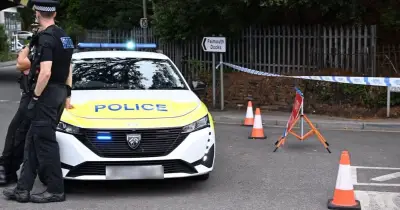
Detectives have cordoned off Chester Street and are examining the area for evidence, including any items discarded by the suspect. Burton reassured the public that while shootings are extremely rare in Edinburgh, considerable resources are dedicated to the inquiry.