
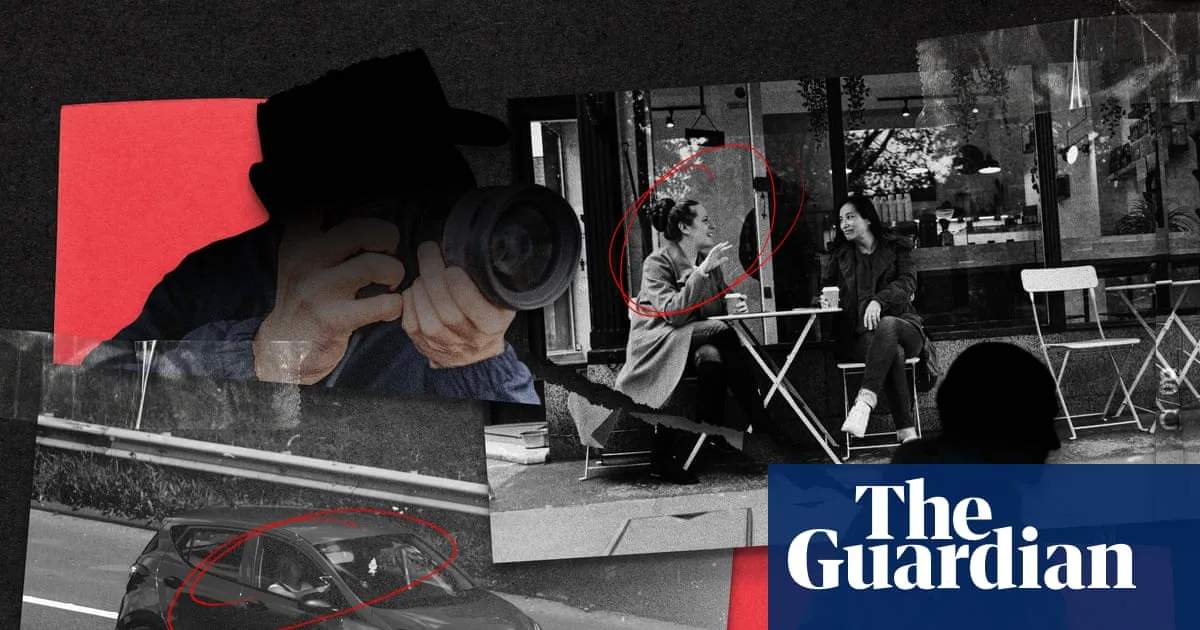
A Guardian investigation has found that private investigators, many of whom are former police officers, are being hired by stalkers to track victims, including women in domestic violence refuges. In at least 30 cases over the past three years, private investigators have been used as part of harassment campaigns, with some victims only discovering the surveillance during court proceedings.
One victim, Laura from Kent, found out her ex-husband had paid a private investigation agency £4,000 to follow her. She had already experienced controlling behaviour and physical violence during their marriage, and after separation, her ex used location-tracking services and bugged her home. The private investigator took photographs of her leaving her house and driving on the motorway, which were later used in court. Her ex-husband received a stalking protection order, but the investigator was never questioned.
The UK has no licensing system for private investigators, meaning anyone can offer their services without qualifications or background checks. A survey found that 64% of private investigators are former police and 20% are former military. Campaigners argue that these skills, built to protect the public, are now being misused to cause harm. Emma Pickering, head of tech abuse at Refuge, said former police officers are using their training to track and locate vulnerable women.
Robert, chief investigator at PID Global Ltd, which was hired in Laura's case, said his agency checks client identities but admitted the system is not infallible. He noted that some clients become 'addicted' to surveillance and must be cut off. However, he cannot check clients' full criminal histories, meaning those with stalking protection orders could still hire investigators.
The investigation highlights a gap in regulation that allows abusers to outsource harassment. Campaigners are calling for mandatory licensing and background checks for private investigators to prevent such misuse.




