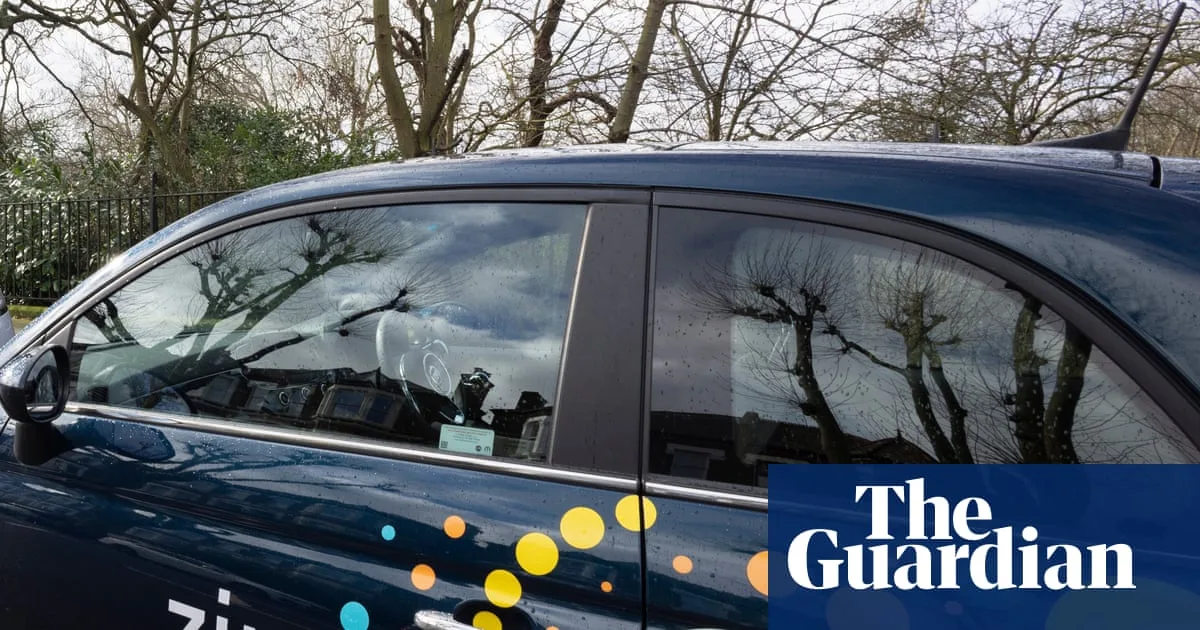
Zipcar, the world's largest car-sharing company, has announced it will close its UK operations, removing access to its shared fleet across London by the end of the year. The company, owned by US car rental group Avis Budget, said it will suspend new bookings through its app after 31 December, pending a consultation on possible redundancies. The UK operating company had 71 staff last year, according to its latest accounts.
James Taylor, Zipcar UK's general manager, informed customers via email: 'We are proposing to cease the UK operations of Zipcar and have today started formal consultation with our UK employees.' He directed customers to CoMoUK, a national charity for shared transport, to find other car-sharing options. The closure follows a difficult period for car-sharing firms, with Avis Budget reportedly downgrading Zipcar's valuation amid declining revenues and rising costs.
The closure coincides with changes to London's congestion charge, which will increase to up to £18 daily from January, affecting car club vehicles. Zipcar, which ran nearly 3,000 of the UK's 5,300 shared vehicles, would have faced an estimated £1 million annual cost increase. A spokesperson for Mayor Sadiq Khan noted that electric car clubs with dedicated parking bays in the congestion charge zone will receive a 100% discount from January.
Richard Dilks, chief executive of CoMoUK, called the closure a 'significant blow' and a sign of 'failure to have supportive policy' towards car clubs. The UK lags behind other European countries, with only 0.7 shared cars per 10,000 people, compared with 2.2 in Germany and 4.4 in Switzerland. Dilks warned that many of the 328,000 UK car club users might be forced into private car ownership.
Zipcar was founded in 2000 in Cambridge, Massachusetts, and acquired by Avis Budget in 2013 for $491 million. It continues to operate in 25 US states and three Canadian cities. The UK arm reported an £11.7 million loss for 2024. The company said it will honour existing bookings, including over Christmas, and refund subscribers for the period after 31 December.