Why Segregated Carriages Could Exacerbate Tube Safety Issues
As a woman who regularly uses London's Underground network, I have experienced my share of unsettling encounters. From being groped and catcalled to witnessing explicit behaviour, these incidents are sadly familiar to many female commuters. Just weeks ago, on a late-night Northern line journey, a heavily intoxicated man exposed himself beside me. Fortunately, another male passenger intervened, telling him firmly, "You're embarrassing yourself, mate." The man complied, but such occurrences are distressingly common.
The Alarming Statistics Behind Calls for Segregation
Recent data underscores the severity of the problem. Reported sexual offences on the London Underground reached a five-year peak in December, with 595 incidents recorded across all Tube lines during 2024-25. This represents the highest figure since 2019-20, when there were 776 reports. If you ask any London-based woman whether she has ever felt unsafe on the Tube due to male behaviour, the answer will almost certainly be yes, at least to some degree.
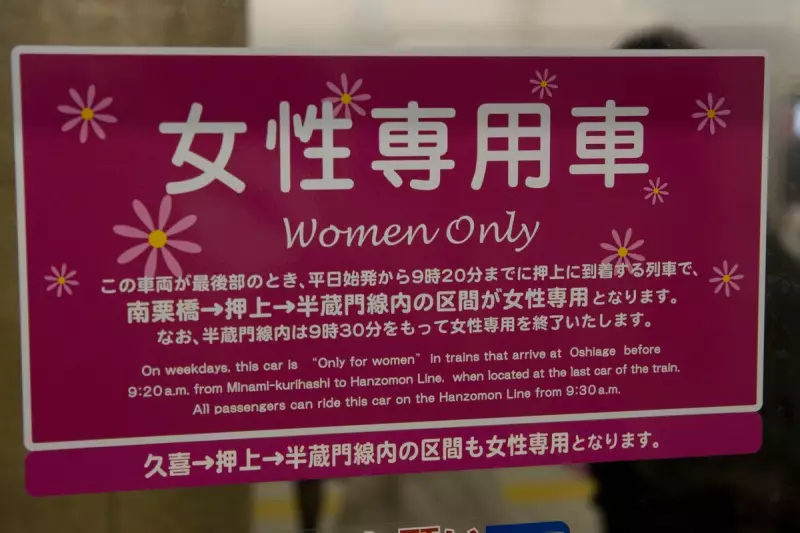
Given these troubling numbers, it's understandable why some campaigners are advocating for women-only carriages. A petition urging Mayor Sadiq Khan to implement such measures urgently has garnered approximately 14,000 signatures. Among supporters is model Amber Dowling-Doyle, who recently shared her experience of being sexually assaulted on the Elizabeth line. She described how other passengers witnessed the attack and intervened, leading to the perpetrator's conviction at Thames Magistrates' Court in December. Dowling-Doyle now believes segregated carriages might be "the only way" to protect women from predators on public transport.

The Practical and Ideological Flaws of Segregation
While what happened to Dowling-Doyle was horrific, I fear that women-only carriages would not prevent similar future incidents. In fact, such measures could potentially make matters worse. Firstly, enforcing gender-segregated carriages would be immensely challenging. Transport for London is notoriously understaffed, with many stations frequently closing due to personnel shortages. The logistical nightmare of policing dedicated women's carriages seems insurmountable given current resource constraints.
More fundamentally troubling is the ideology underpinning this concept. The suggestion implies that men are inherently likely to assault or harass women, therefore requiring physical separation. This not only unfairly categorises all men as potential predators but risks provoking a dangerous backlash. If certain men are told they cannot be near women because they might pose a threat, this could fuel resentment and anger, potentially galvanising more aggressive behaviour rather than deterring it.
Addressing Root Causes Rather Than Accepting Harassment
Creating women-only spaces essentially accepts sexual harassment as an inevitable reality rather than confronting the cultural attitudes that enable it. Wouldn't we achieve more by implementing educational initiatives that teach men about appropriate behaviour and consent? Simply resigning ourselves to the likelihood of harassment and segregating women feels like a surrender to the problem.
Furthermore, with existing staff shortages, what would prevent a determined man from entering a women-only carriage? Such breaches could potentially create even more dangerous situations than mixed carriages where bystanders might intervene.
Alternative Approaches to Enhancing Tube Safety
Personally, I believe more effective solutions involve directly addressing perpetrators while strengthening security across the network. Transport for London has made commendable efforts through awareness campaigns, displaying posters that clearly define what constitutes sexual harassment. Expanding such educational initiatives would be valuable.

As my recent experience demonstrated, bystander intervention proves crucial. The Tube's typically crowded nature means there are usually plenty of people who could help. Every passenger has the capacity to disrupt violence against women through simple actions: asking someone if they're okay, creating a distraction by requesting the time, or directly challenging inappropriate behaviour. Collective responsibility and willingness to speak up might ultimately prove more effective than physical segregation in creating safer travel environments for everyone.