A bizarre wildlife incursion caused significant travel disruption at a Spanish airport over the weekend, after a herd of wild boars breached the perimeter and entered an active runway.
Runway Invasion Forces Airport Closure
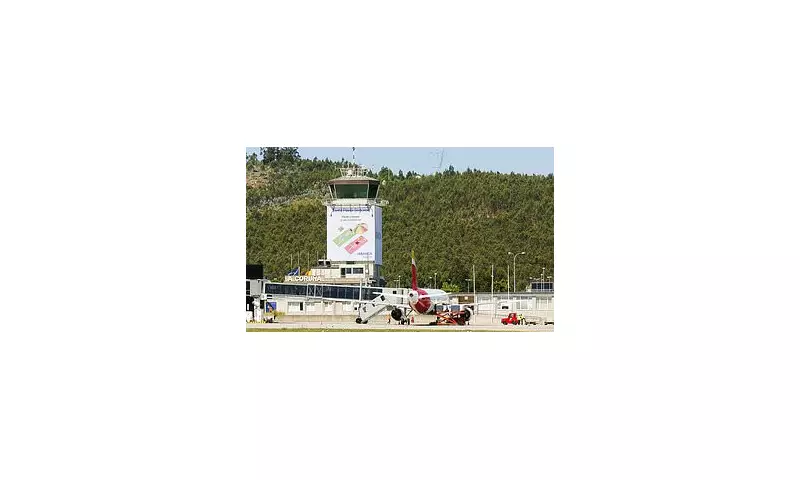
The incident occurred on Saturday morning at A Coruña Airport in northwest Spain. According to the airport operator, Aena, a number of wild boars managed to access the runway area, posing a severe safety risk to aircraft. This forced authorities to take the drastic step of temporarily closing the entire airport for nearly two hours while the animals were removed. The runway was declared clear around 11am.
Flights Diverted and Delayed
The closure had an immediate knock-on effect for air traffic. Two incoming flights were forced to divert to Santiago de Compostela Airport, approximately 50 kilometres away. The affected services were an Iberia flight from Madrid and an easyJet flight from Milan.

Passengers on the diverted Madrid flight experienced a frustrating wait, remaining on the tarmac in Santiago for over an hour. The pilot reportedly apologised to travellers, stating, 'Sorry, I regret having to bring you to Santiago.'
The disruption was not limited to arrivals. Outbound services also suffered, with an Air Europa flight to Madrid and a Vueling service to Barcelona both delayed. Even after the boars were expelled and the diverted flights returned to A Coruña, the knock-on effect caused further delays throughout the morning.
A Recurring Problem for Airports
It remains unclear exactly how the animals breached the airport's security perimeter. This is not an isolated event for Spanish airports; in 2015, a wild boar broke through a fence at Madrid's international airport, causing similar, though shorter, disruptions.
Globally, encounters between wildlife and aircraft are a recognised hazard. In one severe case, an Indian passenger plane was badly damaged after striking a wild boar on the runway in Jabalpur. Furthermore, airports in regions like Alaska and Florida routinely contend with creatures such as moose, caribou, and alligators on their tarmacs, highlighting an ongoing challenge for aviation safety worldwide.